
Traditions and Stories Behind Military Challenge Coins


Key Takeaways
Military challenge coins have a rich history, with origins tracing back to World War I.
These coins symbolize unity, honor, and the unique identity of military units.
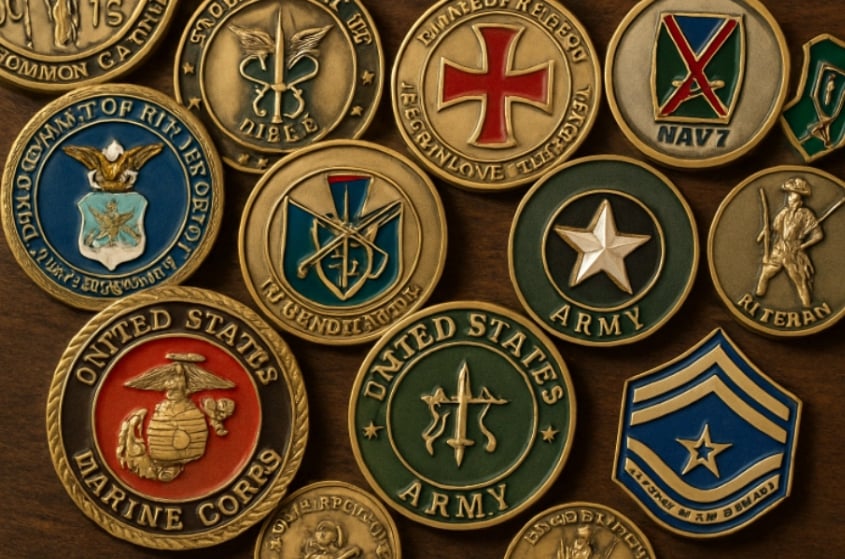
Design elements such as emblems, mottos, and colors carry deep meanings.
The tradition has expanded beyond the military, influencing a range of organizations.
The Origins of Military Challenge Coins
The story of military challenge coins begins with a fascinating legend from World War I. According to popular accounts, a wealthy American lieutenant distributed specially-made bronze medallions adorned with his squadron’s insignia to every member of his unit. These coins quickly became cherished symbols of brotherhood and loyalty. When one aviator was captured behind enemy lines, he managed to escape but risked being mistaken for a spy by Allied forces. Producing his medallion saved his life and cemented the foundation of the challenge coin tradition for future generations.
This initial story helped challenge coins take root in military circles, where they grew into enduring emblems of identity and camaraderie. Units across all branches of service soon embraced coins as a means of recognizing membership, bravery, and noteworthy accomplishments. Over time, the practice flourished, and the coins became a vital part of military heritage and ritual.
Today, these tokens are found in nearly every branch, with each coin representing the story, values, and heritage of its issuing unit. The culture surrounding challenge coins has remained strong, reflecting the bonds of service, shared sacrifice, and the deep sense of belonging felt by service members past and present. Some historians believe that the coin’s tradition reflects the human need for tangible reminders of connection and loyalty during times of hardship and conflict.
Not only are these military challenge coins crafted to symbolize specific achievements, but they also act as keepsakes, preserving unique moments in military history for generations to come. The visual storytelling present in every coin design speaks to the importance of remembrance and the respect accorded to those who serve.
Symbolism and Design Elements
Challenge coins are distinctive items that often feature intricate symbolism embedded in their designs. Iconic unit emblems illustrate core missions or values, such as the “Screaming Eagle” worn proudly by the 101st Airborne Division of the U.S. Army. This powerful image signifies courage, freedom, and readiness to respond to any call. Similarly, the United States Navy SEALs frequently wear a trident medallion that intertwines an anchor, a pistol, and an eagle—each element reflecting the SEALs’ prowess across sea, air, and land.
The colors woven into these coins add further layers of meaning. For instance, red symbolizes valor and sacrifice, while blue signifies loyalty and vigilance. Mottos or short phrases, often etched along the edges, encapsulate the unit’s essence and guiding ideals. Unique shapes and tactile surfaces also distinguish coins, making each feel special and significant to those who earn or receive them.
The “Coin Check” Tradition
Among the most beloved traditions is the “coin check.” This ritual builds camaraderie within units and is steeped in friendly competition. Any member may initiate a challenge by drawing their coin and openly presenting it. All others must then promptly produce their own coins. If someone cannot provide theirs, tradition dictates that they buy a round of drinks for the group. However, if everyone has their coins at the ready, the challenger is obliged to provide the drinks. This practice ensures that the coins remain a daily emblem of readiness, belonging, and commitment.
Challenge Coins in Modern Military Culture
Over time, the appeal of challenge coins has grown beyond the armed forces and is now embraced by law enforcement, first responders, and government agencies. In corrections, firefighting services, and police units, similar coins honor acts of heroism, commemorate special events, or express professional pride. Civilian organizations have also adopted challenge coins to reinforce identity, convey gratitude, or mark significant milestones.
Designing a Meaningful Challenge Coin
Designing a lasting challenge coin requires a creative, thoughtful approach that transcends mere aesthetics. Each detail, including the emblem, font style, and color selection, is laden with meaning and purpose. Central emblems typically showcase symbols that mirror the organization’s mission or noteworthy achievements, while mottos promote shared values and foster organizational pride. The chosen colors convey ideals such as valor, loyalty, and vigilance, affirming the group’s values and heritage. Additionally, the coin’s unique shape or edge texture reflects specific attributes of the issuing group, contributing to its tactile significance and overall character. In summary, every element, from emblems and mottos to colors and textures, plays a crucial role in representing the unit’s identity and ethos.
Collecting and Preserving Challenge Coins
The world of challenge coin collecting is thriving, with enthusiasts often dedicating years to curating personal collections that tell stories of valor, milestones, and camaraderie. Proper preservation is important for protecting their symbolic and historic value. Display cases, shadow boxes, and coin albums are favored ways of showcasing these treasured pieces. Collectors take measures to handle coins with clean hands and to store them in stable, dry environments that help prevent corrosion and tarnishing.
The Future of Challenge Coins
The tradition of challenge coins continues to thrive and adapt in the modern era. As organizations discover new ways to foster unity, recognize achievement, and honor service, these coins evolve while maintaining their deep-rooted significance. Their enduring appeal lies in the stories they capture and the powerful sense of identity and community they preserve. The coins remain treasured emblems, embodying the pride, sacrifice, and honorable legacy of all those who serve.
Conclusion
Military challenge coins are more than commemorative trinkets; they are steeped in history, symbolism, and enduring tradition. From World War I to their expanding presence in civilian professions, these coins encapsulate unity, honor, and the spirit unique to every group that carries them. Understanding the rich stories and rituals behind challenge coins offers a powerful window into the values and connections that shape military and organizational communities alike.