
Is Instant Read Thermometer Accurate?


When was the last time you took a roast out of the oven, cut into it with high hopes, and found that it was either dangerously underdone or as dry as a desert? This is a frustrating time that usually comes down to one thing: trust. We rely on cheap plastic thermometers, old ovens, and decade-old timers. But when you’re cooking for a lot of money, “close enough” isn’t usually good enough.
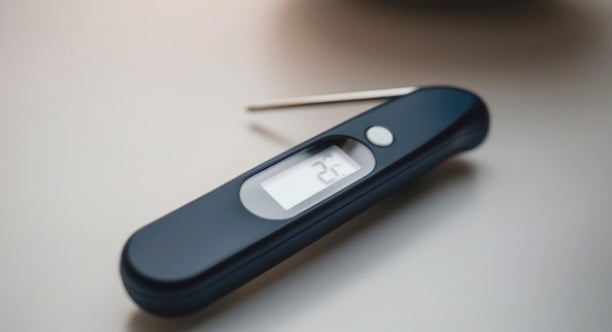
A lot of people who cook at home want to know if an instant read meat thermometer really works. If it’s giving you a reading in two seconds, is it really doing its job? Yes, but the long answer has to do with science and picking the right tool for the job.
Why being accurate is the most important part of good cooking
Heat causes a lot of chemical reactions to happen in cooking. A few degrees can make the difference between a steak that is perfectly medium-rare and one that is too medium.
First, food safety
We all want tasty food, but safety is the most important thing. To be safe to eat, chicken must reach that exact temperature of 165°F. If your thermometer is off by even five degrees, you could have a very long night of regret.
Feel and Moisture
Heating protein tightens muscle fibers and pushes out moisture. Relying on the poke test or timing is just guessing, but an accurate reading tells you exactly when to stop cooking to keep the juices in.
Every Time, Consistency
A great cook doesn’t just make one good meal; they can make it again and again. Using a precise tool takes away the differences in oven calibrations and the thickness of the meat.
How instant read meat thermometers get their accuracy
There are different kinds of thermometers available today, and brands like Typhur have introduced smart options that make temperature monitoring faster and more precise.
Older dial versions use a bimetallic coil that takes a long time to respond. Thermocouples are used in modern digital versions, especially those made for high speeds.
The sensors are ultra-thin and placed at the probe tip, so they detect temperature changes instantly without going deep. With tools like the InstaProbe, you get precise readings within a fraction of a degree, giving you real data instead of guesswork.
If your thermometer is lying to you, here are some signs:
If you think your current kitchen tools are not working right, keep an eye out for these red flags:
The Reading Drifts: If the numbers keep going up or down for thirty seconds after you put it in, the sensor isn’t fast enough to catch the highest temperature.
Physical Damage: If the probe is bent or the housing is cracked, the calibration inside is probably not right.
The Ice Bath Test: If you put your probe in a glass of crushed ice and water and it reads 36°F instead of 32°F, something is wrong.
How to Get the Most Accurate Results in Your Kitchen
Even the best tool needs some skill to work well. To get the best result, remember these steps:
Find the center of the heat
Always try to hit the thickest part of the meat. Don’t touch bone or pockets of fat, because they heat up differently than muscle and will give you a false reading.
Take Early
Don’t forget about carryover cooking. If you want the meat to be 145°F, take it out at 140°F.
Keep it clean.
If grease or carbon builds up on the probe, it can insulate the sensor, making it take longer to react and changing the numbers. Wiping the sensor with soapy water after each use keeps it working well.
How important speed is
If you’re only looking for accuracy, you might wonder why speed matters. It’s easy: the longer you leave your oven door or grill lid open, the more heat you lose. If your thermometer takes ten seconds to settle, that means the temperature in your kitchen has dropped fifty degrees by the time you’re done.
Check three areas fast and see the whole cook without opening the oven.
Final Thoughts on Cooking with Precision
An instant-read thermometer is one of the few tools that really changes how you cook. It takes you from being anxious to being sure of yourself. You can stop hovering and start enjoying the process once you know for sure that your salmon is at 125°F or your bread is at 190°F.
Putting money into accuracy isn’t just about being a perfectionist. It’s important to respect the food you bought and the people you’re feeding. When you start using a really accurate, fast thermometer to cook, you won’t have to guess anymore, and you’ll wonder how you ever cooked without it.