
What Skills Do You Learn in a Practical Nursing Program?
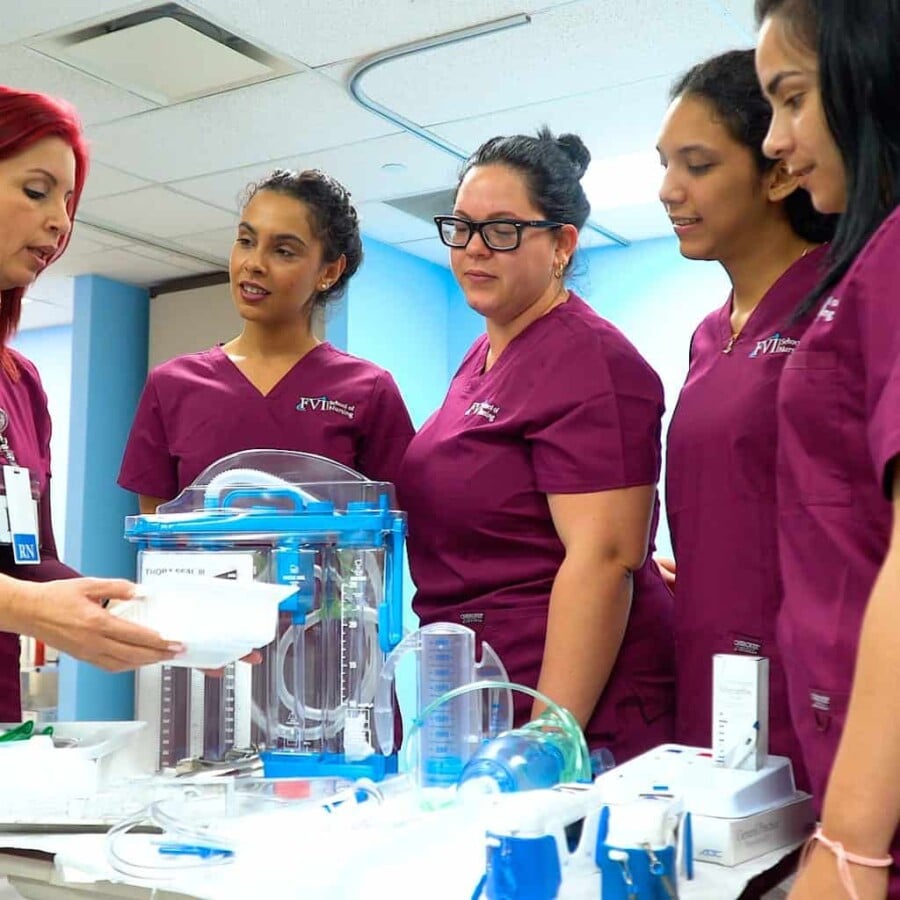


A practical nursing program gives you the clinical skills and hands-on training you will need as a Licensed Practical Nurse. Students learn through a mix of classroom instruction, lab practice, and direct patient care experience. Enrolling in a practical nursing diploma program gives you real, structured training in the skills employers expect from day one. FVI Nursing Program takes a hands-on approach that prepares you for real healthcare environments before you ever sit for licensure. Instructors bring real bedside experience into the classroom, which helps you connect what you are learning to real patient care. The skills you build throughout the program set you up to start your nursing career feeling genuinely confident and prepared.
Patient Care Techniques Are Taught From the Start
At the heart of any practical nursing program is learning how to care for patients safely and with genuine compassion. Students develop skills in bathing, positioning, mobility assistance, and monitoring patient comfort throughout a shift. Experienced instructors teach you that great patient care is just as much about empathy as it is about technique. Skills labs allow students to practice these techniques on realistic patient simulators before entering clinical settings. Practicing procedures in a controlled setting helps you build confidence and feel less anxious when you are working with real patients. Graduates who have a strong grasp of the basics tend to hit the ground running in their first nursing job.
Medication Administration Requires Precision and Knowledge
As a practical nursing student, you will put a lot of focus on learning how to administer medications safely and accurately. The curriculum covers different medication types, proper dosage calculations, and routes of administration. You will also learn how to monitor patients for side effects and document their responses accurately in the patient record. Understanding pharmacology is essential when you handle medications every day. Mistakes in this area can have serious consequences, so programs put a strong emphasis on practice and assessment throughout your training. By the time you graduate, you will feel confident managing medication tasks responsibly under the supervision of an RN or physician.
Vital Signs Monitoring Builds Core Clinical Judgment
Checking and interpreting vital signs is a task you will perform constantly as a practical nurse. Students learn to assess blood pressure, pulse, respiration rate, temperature, and oxygen saturation accurately. Knowing when a reading falls outside the normal range is just as important as taking the measurement in the first place. Clinical training sharpens this skill by giving you real experience with patients whose readings require careful interpretation. Your instructors will guide you on when and how to raise concerns with a supervising nurse or physician. Graduates who are solid in this area demonstrate to employers that they are ready to monitor patients independently.
Wound Care and Documentation Round Out the Technical Skill Set
Wound care is a hands-on skill that practical nursing students practice extensively before entering clinical rotations. In the skills lab, you will learn how to clean wounds, apply dressings, and track healing progress with faculty right there to guide you. Using the right technique lowers infection risk and helps patients recover faster no matter what care setting you are in. You will also learn how to document patient information clearly and completely in clinical records. Good documentation protects your patients, maintains consistent care across the team, and meets the legal standards of nursing practice. Both of these skills are introduced early and reinforced throughout your program.
Communication and Professionalism Are Woven Into Every Course
Being a great practical nurse takes more than just knowing the technical side of the job. Students learn how to speak clearly and compassionately with patients, families, and members of the care team. Students begin developing active listening, empathy, and professional boundaries early on and keep building those skills through clinical experience. Employers consistently say that communication is one of the most valued qualities they look for in new nursing hires. Programs that weave professionalism into every course produce graduates who are clinically strong and ready for the real world of work. Solid interpersonal skills can genuinely set you apart in a field where patients need to feel safe and trust the people caring for them.
A practical nursing program covers a lot more than clinical procedures and medical terminology. You will build skills in patient care, medication management, vital signs, wound care, and professional communication. Each of those areas strengthens through repetition, hands-on practice, and real clinical experience over the course of your program. Graduates who go through thorough training tend to step into entry-level LPN roles feeling genuinely ready. The most important thing you can do is choose a program that balances classroom learning with real hands-on practice. The skills you develop in training will stay with you and serve you well throughout your entire nursing career.