
How to Build a Kids Dental Health Routine that Makes Care Fun and Effective
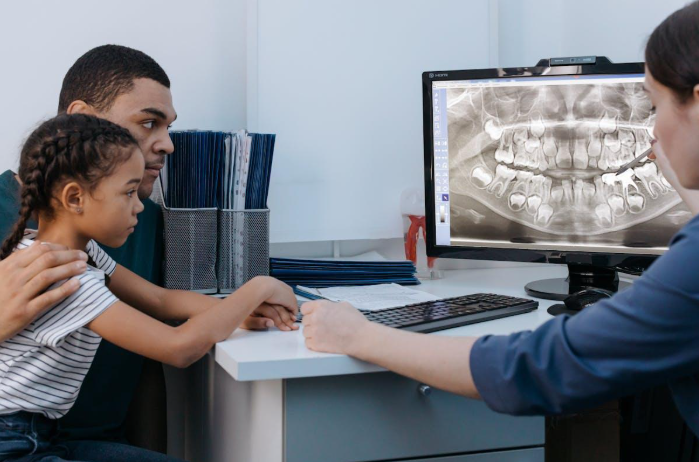


Ask any pediatric dentist what separates kids with healthy teeth from those facing multiple cavities, and they’ll tell you it’s not just about brushing — it’s about making dental care something children actually want to do. According to the American Dental Association’s 2024 pediatric health guidelines, children who engage positively with their oral hygiene routine are three times more likely to maintain cavity-free teeth through adolescence. Yet for most families, the nightly battle over toothbrushing feels more like a negotiation than a health habit.
The challenge has intensified as children spend more time consuming sugary snacks and drinks, often between structured meals when proper cleaning isn’t immediately possible. Meanwhile, research continues to demonstrate that the habits formed during early childhood create the foundation for lifelong oral health outcomes. For parents trying to establish effective routines while dealing with resistant toddlers or distracted school-age children, the question isn’t just what kids should be doing — it’s how to make them want to do it consistently.
The solution lies in understanding both the mechanics of effective dental care and the psychology of childhood motivation, creating an approach that transforms daily hygiene from a chore into an engaging part of the day.
Why Making Dental Care Fun Improves Kids’ Oral Health
Children’s brains are wired to learn through play and positive reinforcement, which means the way you introduce dental care shapes not just compliance but actual effectiveness. When kids associate brushing and flossing with fun activities rather than parental demands, they brush longer, more thoroughly, and with greater consistency — the three factors that matter most for preventing decay.
Consider what happens during a typical rushed bedtime routine: a tired child grudgingly brushes for thirty seconds while thinking about toys or tomorrow’s activities. Compare that to a child who’s engaged in a tooth-brushing game, focusing on reaching every surface and timing themselves to a favorite song. The difference isn’t just cooperation — it’s the quality of cleaning that occurs when attention is directed toward the task rather than away from it.
Research in pediatric behavioral health shows that children retain habits more effectively when they’re introduced through positive experiences rather than compliance-based approaches. This translates directly to oral health outcomes. Kids who enjoy their dental routine are more likely to continue good practices independently as they grow older, reducing the need for constant parental supervision and creating self-motivated care.
The psychological aspect extends beyond the child to the entire family dynamic. When dental care becomes a source of daily conflict, parents often begin to skip nights or cut routines short to avoid battles. This inconsistency undermines even good brushing technique. Conversely, families who successfully gamify dental care report that children begin reminding parents about brushing time, taking ownership of their oral health in ways that surprised everyone involved.
What Are the Best Brushing and Flossing Routines for Kids?
Effective dental routines for children must balance thoroughness with age-appropriate expectations, recognizing that fine motor skills and attention spans develop gradually. The foundation remains consistent: two minutes of brushing twice daily, with technique adjustments based on developmental stage rather than chronological age alone.
How Should Kids Brush Their Teeth Effectively?
The most effective brushing technique for children involves gentle circular motions rather than aggressive back-and-forth scrubbing, which can damage developing enamel and irritate gums. Start with a soft-bristled toothbrush sized appropriately for the child’s mouth — adult brushes are too large to reach back molars effectively in most children under ten.
For children under six, parents should handle the actual brushing while teaching the motions. Position yourself behind the child at a sink or use a knee-to-knee position for better control and visibility. Focus on the gum line where bacteria accumulate most heavily, spending roughly thirty seconds in each quadrant of the mouth. The key is consistent pressure and systematic coverage rather than rushing through all teeth randomly.
Fluoride toothpaste should be used from the moment the first tooth appears, but quantity matters significantly. Children under three need only a rice-grain-sized amount, while those three to six can use a pea-sized portion. The timing of rinsing also affects fluoride effectiveness — waiting thirty minutes after brushing before eating or drinking allows maximum mineral uptake by tooth enamel.
As children develop better coordination around age six or seven, they can begin brushing independently while parents supervise and assist with back molars, which remain difficult to reach effectively until around age ten or eleven.
When and How Should Kids Start Flossing?
Flossing becomes necessary when adjacent teeth touch, typically around ages four to six, though some children’s teeth maintain natural spacing longer. The goal isn’t perfect technique initially but rather establishing the habit and removing food particles that brushing misses between tight contact points.
Traditional string floss remains the gold standard for effective cleaning, but child-friendly alternatives like floss picks or water flossers can serve as stepping stones for developing proper habits. The key is daily consistency rather than perfect execution during the learning phase. Most children need direct parental assistance with flossing until age eight or nine, when hand coordination develops sufficiently for independent use.
Parents should focus on the back molars first, where food accumulation causes the most problems and where children have the least natural cleaning ability. Gentle pressure is essential — aggressive flossing can damage delicate gum tissue and create negative associations with the process. As with brushing, making flossing part of an enjoyable routine increases long-term success more than focusing purely on technique during early introduction.
The timing of flossing introduction should align with the child’s developmental readiness rather than arbitrary age guidelines, with some children ready earlier and others needing more time to develop the necessary coordination and attention span.
How Does Nutrition and Prevention Protect Kids’ Teeth?
Beyond daily cleaning, preventing dental problems requires understanding how diet and professional interventions work together to strengthen teeth against decay. The most effective approach combines smart nutritional choices with targeted preventive treatments during the years when children’s teeth are most vulnerable.
Cavity-causing bacteria thrive on sugars and starches, but timing matters more than total consumption. Frequent snacking creates repeated acid attacks throughout the day, while consuming treats during meals allows saliva to neutralize acids more effectively. This means a piece of cake after dinner poses less risk than crackers consumed throughout the afternoon, even though crackers seem healthier.
Water plays a crucial protective role beyond general health benefits. In communities with fluoridated water supplies, children receive ongoing low-level fluoride exposure that strengthens tooth enamel from within as permanent teeth develop. Between meals, water helps rinse away food particles and bacteria while maintaining healthy saliva production, which serves as the mouth’s natural defense system.
Professional preventive oral health care for kids includes treatments that home care alone cannot provide. Dental sealants, thin protective coatings applied to the chewing surfaces of back teeth, can reduce cavity risk by up to 80% in the first two years after application. These are particularly valuable for the six-year molars, which erupt with deep grooves that trap food and bacteria even with excellent brushing technique.
Fluoride treatments during dental visits provide concentrated protection during periods of high cavity risk, such as when new permanent teeth are erupting or when children are learning independent oral care. The combination of home fluoride use and professional applications creates optimal protection without exceeding recommended dosage levels, addressing parental concerns about fluoride safety while maximizing benefits.
What Are Common Challenges and Myths in Kids’ Dental Care?
Many families struggle with dental routines because of persistent misconceptions about children’s oral health needs, combined with common developmental challenges that seem more serious than they actually are. Understanding what’s normal versus concerning helps parents respond appropriately while maintaining positive dental experiences.
What Dental Myths Should Parents Avoid?
One widespread myth suggests that baby teeth don’t matter because they’ll eventually fall out anyway. In reality, primary teeth serve as placeholders for permanent teeth, and early loss due to decay can cause spacing problems that require orthodontic intervention later. Additionally, untreated cavities in baby teeth can affect the developing permanent teeth underneath, creating problems that persist for years.
Another common misconception involves fluoride safety, with some parents avoiding fluoride toothpaste entirely due to fears about toxicity. The amounts used in children’s dental products are carefully calibrated for safety — the risk comes from consuming large quantities, not from normal brushing use. Avoiding fluoride entirely actually increases cavity risk significantly, particularly during the years when permanent teeth are forming.
Some families believe that thumb sucking or pacifier use automatically causes permanent dental problems, leading to stressful attempts to stop these habits too early. While prolonged use beyond age three can affect tooth alignment, most children naturally outgrow these behaviors without intervention. Forceful attempts to stop often increase anxiety and prolong the habit, while gentle redirection tends to be more effective.
How Can Parents Overcome Kids’ Dental Anxiety?
Dental anxiety often develops from negative associations rather than actual painful experiences, making prevention more effective than treatment. The language parents use when discussing dental care significantly impacts children’s expectations — phrases like “it won’t hurt” actually introduce the concept of pain, while focusing on positive aspects like “keeping teeth strong” or “seeing how well you’ve been brushing” creates better associations.
Starting dental visits early, ideally by age one, allows children to become familiar with the dental office environment before any treatment becomes necessary. These early visits focus on examination and education rather than procedures, helping children see dental care as normal healthcare rather than something to fear.
When anxiety does develop, gradual exposure works better than avoidance. Reading books about dental visits, playing dentist games at home, and visiting the dental office just to say hello can help desensitize children to the environment. Many pediatric dental practices offer pre-visit tours specifically designed to familiarize children with equipment and staff before their first appointment.
Parents’ own attitudes toward dental care strongly influence children’s responses. Adults who express their own dental fears or make negative comments about dental visits inadvertently transfer those anxieties to their children. Maintaining neutral or positive language about dental care, even when parents have their own concerns, helps children develop healthier associations with oral healthcare.
How Can Parents Make Daily Dental Care Fun for Kids?
Transforming dental hygiene from a chore into an engaging activity requires creativity and consistency, but the investment pays dividends in both compliance and effectiveness. The most successful approaches tap into children’s natural love of games, music, and storytelling while maintaining focus on proper technique.
Music provides an excellent framework for timing and engagement. Two-minute songs specifically created for tooth brushing help children brush for the full recommended duration while making the experience enjoyable. Dancing while brushing or creating family brushing competitions adds energy and fun while ensuring everyone participates consistently.
Reward systems work effectively when they focus on consistency rather than perfection. Sticker charts tracking daily brushing and flossing help children visualize their progress and take ownership of their routine. The rewards should be small and health-focused — extra bedtime stories, choosing the next day’s breakfast, or earning points toward a special family activity work better than candy or expensive toys.
Technology can enhance engagement when used appropriately. Electric toothbrushes with built-in timers and fun designs often motivate children to brush longer and more thoroughly. Some apps gamify brushing with virtual pets that get healthier as children maintain good oral hygiene, though screen time during actual brushing should be limited to avoid distraction from proper technique.
Creating stories around dental care helps younger children understand the importance while maintaining engagement. Tales about “sugar bugs” that need to be cleaned away or “tooth superheroes” that fight cavities make abstract concepts concrete and memorable. The key is maintaining these engaging elements consistently until good habits become automatic, usually requiring several months of regular reinforcement.
Looking ahead, the children who develop positive relationships with dental care now are building more than just healthy teeth — they’re creating lifelong habits that will serve them well into adulthood, while learning that taking care of their health can be empowering rather than burdensome. The time invested in making these routines enjoyable becomes an investment in their independence and long-term wellbeing.