
Early Signs of Gum Disease You Shouldn’t Ignore
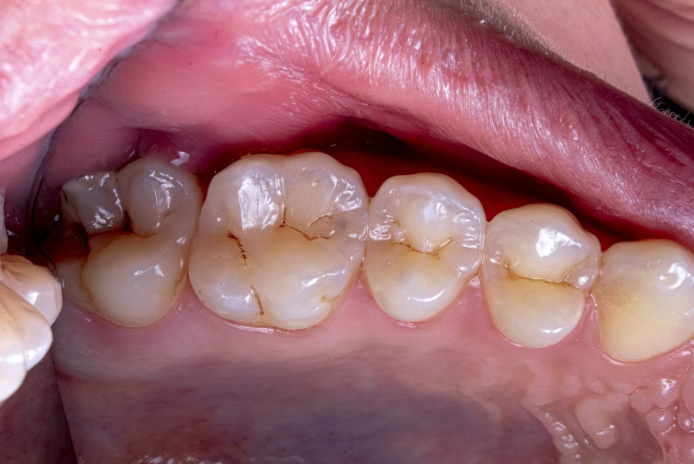


According to the Centers for Disease Control and Prevention’s 2024 oral health surveillance data, nearly half of all adults aged 30 and older show signs of periodontal disease — yet most don’t realize it until irreversible damage has already occurred. What makes this particularly concerning is that gum disease progresses silently in its early stages, often masquerading as minor irritation that many people dismiss as normal. As dental research increasingly links untreated periodontal disease to serious health conditions like heart disease and diabetes, the window for catching symptoms early has never been more critical. The difference between recognizing warning signs at the first stage of inflammation versus waiting until teeth feel loose can determine whether treatment involves simple oral hygiene improvements or complex surgical intervention.
Why Early Detection of Gum Disease Symptoms Matters
The progression from healthy gums to tooth loss doesn’t happen overnight, but the opportunity to reverse damage has a surprisingly narrow window. During the initial gingivitis stage, inflammatory changes remain completely reversible with proper care — but once the disease advances to periodontitis, the supporting structures around your teeth begin deteriorating in ways that can’t be fully restored.
Consider someone who notices their gums bleeding occasionally when they brush, dismisses it as “brushing too hard,” and continues their normal routine. Within six months to a year, that surface-level inflammation can advance to periodontal pockets where bacteria accumulate below the gum line, beginning the process of bone loss around tooth roots. By the time teeth start feeling loose or shifting position, the disease has typically destroyed significant portions of the supporting bone structure.
The stakes extend beyond oral health. Research published in the Journal of the American Heart Association demonstrates that people with severe periodontal disease face a 49% higher risk of high blood pressure compared to those with healthy gums. The inflammatory response triggered by gum disease doesn’t stay confined to your mouth — it enters your bloodstream and affects cardiovascular function, blood sugar regulation, and immune system performance.
What makes early detection so powerful is that it transforms treatment from damage control to actual prevention. Catching bleeding, swelling, or recession in the first few weeks means addressing the problem with improved brushing technique, antimicrobial mouth rinses, and more frequent cleanings. Missing those early signs means facing deep cleaning procedures, antibiotic treatments, and potentially surgical interventions to halt further progression.
Common and Subtle Symptoms to Watch For
The most obvious warning sign — bleeding gums during brushing or flossing — represents inflammation that’s already been developing for weeks or months. But several subtler indicators often appear first, and recognizing them can prevent the progression to more obvious symptoms.
Persistent bad breath that doesn’t improve with regular brushing often signals bacterial overgrowth below the gum line, particularly when it carries a metallic or sulfurous odor. This happens because anaerobic bacteria produce volatile sulfur compounds as they break down proteins in your mouth. Similarly, a persistent bad taste, especially first thing in the morning, can indicate bacterial activity that your regular oral hygiene routine isn’t reaching.
Changes in how your gums look deserve attention even when they don’t hurt. Healthy gums maintain a pale pink color and firm texture, fitting snugly around each tooth. Early gum disease often shows up as a darker red coloration along the gum line, sometimes with a slightly puffy or swollen appearance. The gums may also start pulling away from teeth, creating small gaps or pockets that weren’t there before.
Sensitivity changes can signal early periodontal problems, particularly when teeth become sensitive to temperature or touch in areas where the gum line is receding. Unlike cavity-related sensitivity that typically affects the chewing surface of teeth, gum disease sensitivity usually occurs along the sides of teeth near the gum line. Many people also notice that their bite feels different — not dramatically, but subtle changes in how their teeth come together when chewing.
Symptoms in Different Populations
Pregnant women often experience gum symptoms that seem disproportionate to their oral hygiene habits due to hormonal changes that increase inflammatory responses. Pregnancy gingivitis typically appears as increased bleeding, swelling, and tenderness, particularly during the second trimester. These hormonal effects can accelerate existing gum disease, making symptoms appear more rapidly and severely than they would otherwise.
Elderly adults frequently develop gum recession that gets mistaken for normal aging, but significant recession — especially when it exposes tooth roots — often indicates underlying periodontal disease. Age-related changes in saliva production can also mask early symptoms, as reduced saliva flow allows bacteria to accumulate more easily while making bleeding less obvious.
Smokers face a unique challenge because nicotine restricts blood flow to the gums, often masking the bleeding and swelling that would normally signal inflammation. Their gum disease may progress further before becoming obvious, and they might notice loose teeth or shifting bite patterns before experiencing the pain and bleeding that typically drives people to seek treatment.
Differences Between Gum Disease Symptoms and Healthy Gums
Healthy gums maintain specific characteristics that provide a clear baseline for comparison. They appear pale pink (though color varies with skin tone), feel firm when you press against them with your tongue, and fit snugly around the base of each tooth without gaps or pockets. When you brush and floss properly, healthy gums don’t bleed, and they don’t feel tender or sore to touch.
The transition from healthy to diseased gums often happens gradually enough that people adjust to new sensations without realizing they’re abnormal. Early gum disease frequently presents as gums that bleed “just a little” during flossing — something many people accept as normal because it’s been happening for months. But healthy gums shouldn’t bleed during routine oral care, even with aggressive brushing or flossing.
Texture changes offer another reliable indicator. Healthy gums feel firm and resilient when you run your tongue along them, similar to the texture of your palm. Inflamed gums often feel softer, spongier, or more tender, and they may indent slightly when pressed. The tight seal that healthy gums maintain around each tooth also starts loosening, creating small spaces where food particles and bacteria can accumulate.
How Gum Disease Progresses from Early Signs to Advanced Stages
The biological progression of gum disease follows a predictable pathway that helps explain why early intervention matters so much. Gingivitis, the initial stage, occurs when bacterial plaque accumulates along the gum line and triggers an inflammatory response. During this phase, the immune system sends increased blood flow to the affected area, causing the redness, swelling, and bleeding that characterize early symptoms.
If the bacterial accumulation continues, the inflammation progresses deeper into the tissues that support your teeth. The gums begin pulling away from the tooth surface, creating periodontal pockets where bacteria can survive below the gum line, protected from brushing and rinsing. These pockets become increasingly deep as the disease progresses, eventually reaching the periodontal ligaments and bone that anchor teeth in place.
Once bacteria establish themselves in these deeper pockets, they release toxins that directly damage the connective tissues and stimulate bone-destroying cells called osteoclasts. This marks the transition to periodontitis, where the damage becomes largely irreversible. The bone loss typically occurs gradually, which is why people often don’t notice teeth becoming loose until significant structural damage has already occurred.
Advanced periodontal disease affects not just individual teeth but the entire support system of your mouth. As bone loss continues, teeth may shift position, creating bite problems that place additional stress on remaining healthy structures. The inflammatory burden also becomes systemic, contributing to the cardiovascular and metabolic health risks associated with severe periodontal disease. Understanding this progression helps explain why symptoms that seem minor — like occasional bleeding or slight gum recession — deserve prompt attention from professional periodontal care in Philadelphia or wherever you’re located.
Key Risk Factors and Lifestyle Habits Affecting Gum Health
Certain factors dramatically increase your vulnerability to developing gum disease symptoms, with some creating risks you can modify and others requiring increased vigilance. Smoking and tobacco use top the list of controllable risk factors, reducing blood flow to gum tissues and impairing the immune response that normally fights bacterial infections. Smokers develop gum disease at twice the rate of non-smokers and experience more severe progression once symptoms appear.
Diabetes creates a bidirectional relationship with periodontal disease — elevated blood sugar levels impair healing and immune function, making gums more susceptible to infection, while chronic gum inflammation can worsen blood sugar control. People with diabetes often notice that gum symptoms fluctuate with their blood sugar management, improving during periods of good glucose control and worsening when their diabetes is less well-managed.
Poor oral hygiene habits contribute more than just plaque accumulation. Irregular brushing and flossing patterns allow bacterial communities to mature and organize into more virulent forms, while aggressive brushing with hard-bristled toothbrushes can cause gum recession that creates new surfaces for bacteria to colonize. The timing of oral care also matters — bacteria multiply most rapidly during sleep when saliva production decreases, making bedtime oral hygiene particularly important.
Stress affects gum health through multiple pathways. Chronic stress elevates cortisol levels, which suppress immune function and slow tissue healing. Stressed individuals also tend to neglect oral hygiene routines, clench or grind their teeth (creating additional trauma), and adopt behaviors like smoking or poor dietary choices that further compromise gum health. Age-related factors include decreased saliva production, medication side effects that affect oral health, and the cumulative effects of decades of bacterial exposure.
Effective Prevention Strategies to Stop Symptoms from Worsening
Once you’ve identified early gum disease symptoms, the prevention approach focuses on disrupting bacterial accumulation while supporting your body’s natural healing processes. Mechanical plaque removal remains the cornerstone — but technique matters more than frequency. Brushing twice daily with a soft-bristled toothbrush at a 45-degree angle to the gum line removes bacteria from the critical junction where gums meet teeth, while daily flossing addresses the 35% of tooth surfaces that brushing can’t reach.
Antimicrobial mouth rinses containing chlorhexidine or cetylpyridinium chloride can significantly reduce bacterial load, particularly in areas where mechanical cleaning is difficult. However, these work best as adjuncts to proper brushing and flossing rather than replacements. The timing of mouth rinse use also matters — using it immediately after brushing can wash away fluoride from toothpaste, so most dental professionals recommend waiting at least 30 minutes.
Professional interventions become crucial once symptoms appear. Regular dental cleanings every three to six months remove hardened plaque (tartar) that home care can’t address, while dental professionals can identify and treat early symptoms before they progress. For people showing early signs of gum disease, more frequent professional cleanings — sometimes every three to four months — can prevent progression to more severe stages.
Lifestyle modifications support these direct interventions. A diet rich in vitamin C, vitamin D, and omega-3 fatty acids provides nutrients essential for gum tissue health and immune function, while limiting sugary snacks reduces the fuel available for harmful bacteria. Managing stress through regular exercise, adequate sleep, and stress-reduction techniques helps maintain the immune function necessary for fighting gum infections. The key insight is that prevention becomes more intensive, not less, once early symptoms appear — but this increased effort during the early stages can prevent the need for much more complex treatment later.