Dental Sedation Options and How They Ease Dental Anxiety


According to the American Dental Association’s 2023 patient survey data, approximately 36% of adults report some level of dental anxiety, with 12% experiencing severe fear that prevents them from seeking necessary care. As dental practices increasingly recognize anxiety as a genuine barrier to oral health, sedation dentistry has evolved from a specialty service to a standard offering that fundamentally changes how patients experience dental treatment.
The shift represents more than just patient comfort — it’s reshaping treatment outcomes across the industry. When patients can receive comprehensive care in fewer appointments without the stress response that typically accompanies dental procedures, both immediate results and long-term oral health improve dramatically. For the millions of Americans who have delayed or avoided dental care due to anxiety, understanding how modern sedation works and which options provide the safest, most effective relief can literally be the difference between maintaining their teeth and facing extensive reconstructive work later.
This exploration of sedation mechanisms, safety profiles, preparation requirements, and anxiety management benefits reveals how the right sedation approach transforms not just the patient experience, but the quality of care dentists can provide.
How Does Dental Sedation Work and What Are the Main Types?
Dental sedation operates by modulating the central nervous system’s response to stress and pain stimuli, essentially interrupting the fear-anxiety cycle that makes dental procedures overwhelming for many patients. The medications used — ranging from nitrous oxide to benzodiazepines to general anesthetics — target specific neurotransmitter pathways in the brain, reducing the emotional processing of fear while maintaining varying degrees of consciousness and protective reflexes.
The physiological mechanism differs significantly across sedation types, which explains why patient experiences vary so dramatically. Nitrous oxide works by blocking NMDA receptors in the brain, creating a euphoric, relaxed state while leaving patients fully responsive. Oral sedatives like triazolam affect GABA receptors, producing deeper relaxation and often partial amnesia of the procedure. Intravenous sedation allows precise titration of medications like midazolam or propofol, enabling real-time adjustment of sedation depth based on patient response.
Understanding these mechanisms helps explain why certain patients respond better to specific approaches. A patient with mild anxiety might find nitrous oxide perfectly adequate, while someone with severe dental phobia may require the deeper relaxation that only IV sedation provides. The key insight here is that effective sedation matches the medication’s neurological effects to the patient’s specific anxiety profile and medical history.
What Are the Differences Between Conscious and Deep Sedation?
Conscious sedation maintains the patient’s ability to respond purposefully to verbal commands while significantly reducing anxiety and discomfort. Patients remain awake but deeply relaxed, often with little memory of the procedure afterward. Deep sedation approaches the edge of general anesthesia — patients may not respond consistently to verbal stimuli but retain protective airway reflexes and can be aroused with repeated or painful stimulation.
How Do Nitrous Oxide, Oral, and IV Sedation Differ?
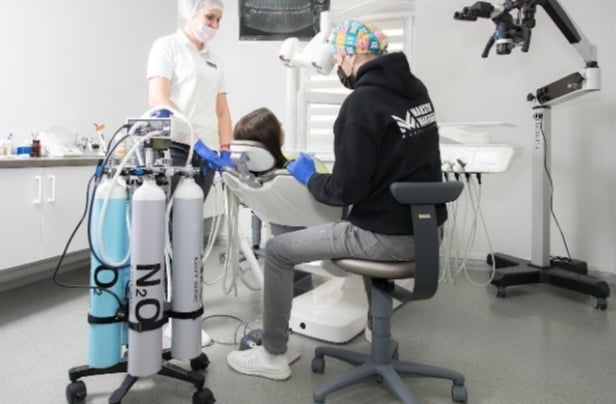
Nitrous oxide takes effect within minutes through inhalation, provides mild-to-moderate relaxation, and clears the system completely within five minutes after the gas is discontinued. Oral sedation requires 30-60 minutes to reach peak effect, produces deeper anxiety relief with possible amnesia, but metabolizes slowly over several hours. IV sedation offers the most precise control, with immediate onset and the ability to adjust depth throughout the procedure, though it requires more extensive monitoring and recovery time.
Which Sedation Options Offer the Best Advantages and Safety Profiles?
Research from the Journal of Dental Anesthesia and Pain Medicine shows that nitrous oxide maintains the strongest safety profile, with virtually no contraindications for healthy patients and the unique advantage of complete reversibility within minutes. The gas doesn’t accumulate in body tissues and allows patients to drive themselves home after a brief recovery period. This makes it ideal for routine cleanings, fillings, and minor procedures where mild anxiety relief is sufficient.
Oral sedation, typically using triazolam or lorazepam, provides more profound anxiety relief and works well for patients with moderate dental phobia. The safety profile remains excellent when prescribed appropriately, though the extended duration — often 4-6 hours — requires patients to arrange transportation and avoid important decisions for the remainder of the day. The predictable onset and duration make scheduling straightforward, and the amnesia effect many patients experience can be psychologically beneficial for future appointments.
IV sedation offers the most flexibility and control, allowing dentists to titrate medications precisely to achieve optimal comfort while maintaining safety margins. Modern monitoring equipment tracks oxygen saturation, heart rate, and blood pressure continuously, while trained personnel can adjust sedation depth in real-time. This approach works exceptionally well for complex procedures like multiple extractions or oral surgery, where maintaining patient comfort throughout varying levels of stimulation becomes crucial.
The safety considerations shift based on patient factors. Nitrous oxide works for almost everyone, including children and elderly patients. Oral sedation requires careful dosing based on body weight and medical history, particularly with patients taking other medications that affect the central nervous system. IV sedation demands the highest level of monitoring and training but provides the safest option for patients with severe anxiety or complex medical conditions, since medications can be reversed immediately if needed.
Current evidence suggests that when administered by properly trained providers with appropriate monitoring, all three approaches demonstrate excellent safety profiles. The key lies in matching the sedation type to both the procedure’s requirements and the patient’s individual risk factors and anxiety level.
How Should Patients Prepare and What Happens During Sedation Procedures?
Pre-sedation preparation varies significantly depending on the chosen method, but certain universal principles ensure both safety and effectiveness. For nitrous oxide, preparation is minimal — patients should avoid large meals within two hours and inform their dentist about any respiratory conditions that might affect breathing through the nose. The relaxed preparation requirements make this option particularly appealing for routine appointments.
Oral sedation requires more extensive preparation. Patients typically receive specific instructions to take the prescribed medication 30-60 minutes before their appointment, arrange for someone to drive them to and from the office, and follow fasting guidelines if deeper sedation is planned. Many dentists recommend taking a small test dose at home a few days prior to ensure the patient doesn’t experience unexpected reactions to the medication.
IV sedation preparation resembles that for minor surgery. Patients must fast for 6-8 hours beforehand, remove contact lenses and jewelry, and arrange for a responsible adult to accompany them. Medical history becomes crucial — the dental team needs complete information about current medications, allergies, and health conditions that might interact with sedative drugs.
During the procedure itself, patients experience vastly different sensations depending on their sedation level. With nitrous oxide, most people report feeling relaxed and slightly disconnected from their surroundings while remaining fully aware of what’s happening. The tingling or floating sensation many describe feels pleasant rather than disorienting. Oral sedation often creates a dreamlike state where time seems compressed — patients frequently express surprise that their procedure is already complete.
IV sedation typically produces the most profound relaxation, with many patients having little to no memory of the procedure afterward. Throughout all sedation types, dental teams monitor vital signs continuously and maintain constant communication to ensure patient comfort and safety. Working with an experienced sedation dentist ensures that monitoring protocols meet current safety standards and that the entire team is trained in emergency response procedures.
The recovery process begins immediately after the procedure ends, with different timelines based on the sedation method used. Understanding these preparation and procedural expectations helps patients approach their appointments with confidence rather than additional anxiety about the unknown.
What Are the Risks, Side Effects, and Recovery Process for Dental Sedation?
Common side effects vary by sedation type but generally remain mild and temporary. Nitrous oxide occasionally causes nausea if administered too quickly or at too high a concentration, but these effects resolve within minutes once the gas flow stops. Some patients report brief headaches or dizziness, particularly if they’ve eaten recently or received oxygen too rapidly during recovery.
Oral sedation side effects include drowsiness that can persist for several hours, dry mouth, and possible nausea. A small percentage of patients experience paradoxical reactions — becoming agitated rather than relaxed — which is why test doses at home help identify problematic responses before the actual appointment. The extended duration means patients must plan for a full day of impaired coordination and decision-making ability.
IV sedation carries slightly higher risks due to its potency, though serious complications remain rare when proper protocols are followed. Potential side effects include temporary memory gaps extending beyond the procedure, nausea, and in rare cases, respiratory depression if medications are administered too rapidly. The ability to reverse IV sedatives immediately makes this approach safer for patients with complex medical histories, despite the more intensive monitoring requirements.
Contraindications deserve careful attention. Patients with severe respiratory conditions, pregnancy, certain heart medications, or substance abuse histories may not be candidates for specific sedation types. Age factors also matter — while nitrous oxide is safe for most children, oral and IV sedation require careful consideration of dosing and monitoring protocols for pediatric patients.
Recovery protocols are crucial for safety and comfort. Nitrous oxide recovery involves breathing pure oxygen for 3-5 minutes to prevent headaches and ensure complete clearance. Patients can typically resume normal activities immediately afterward. Oral sedation recovery requires 4-6 hours of supervision, during which patients should avoid driving, making important decisions, or operating machinery. Many people sleep for several hours after returning home.
IV sedation recovery begins in the dental office with 15-30 minutes of monitored observation, followed by supervised discharge to a responsible adult. Full recovery takes 12-24 hours, during which coordination and judgment remain impaired. Most patients feel normal by the next day, though some report mild fatigue.
The statistical safety profile across all sedation types remains excellent. Serious adverse events occur in less than 0.1% of cases when proper screening, monitoring, and recovery protocols are followed. Understanding these risks and recovery requirements allows patients to make informed decisions and plan appropriately for their sedation experience.
How Does Sedation Dentistry Help Manage Anxiety and Improve Treatment Outcomes?
The psychological impact of sedation extends far beyond simple comfort during procedures. For patients with dental anxiety, the knowledge that effective relaxation is available often reduces anticipatory anxiety in the days leading up to appointments. This psychological safety net frequently motivates people to schedule necessary treatment they’ve been avoiding, breaking the cycle of deferred care that leads to more complex problems.
Clinical outcomes improve measurably when sedation eliminates patient movement and tension during procedures. Dentists can work more precisely and efficiently when patients remain still and relaxed, often completing more comprehensive treatment in single appointments. This efficiency reduces the total number of visits required and minimizes the cumulative stress of multiple appointments for anxious patients.
The amnesia effect common with oral and IV sedation provides particular psychological benefits. Patients who experience little or no memory of their procedure often report reduced anxiety about future appointments, since they lack the traumatic memories that typically reinforce dental fears. This creates a positive feedback loop — successful sedation experiences make subsequent treatments easier to approach mentally.
Patient cooperation during treatment improves dramatically under sedation. Procedures requiring sustained mouth opening, like root canals or crown preparations, become much more tolerable when patients aren’t fighting their natural stress responses. The muscle relaxation that accompanies sedation also reduces jaw tension and fatigue, making longer appointments feasible.
Long-term treatment relationships benefit significantly from successful sedation experiences. Patients who discover they can receive dental care comfortably are more likely to maintain regular preventive appointments and address problems early rather than waiting until emergency treatment becomes necessary. This shift from crisis-driven to prevention-focused care improves both oral health outcomes and overall treatment costs.
The broader health implications reach beyond dentistry. Patients who can receive necessary dental treatment without overwhelming stress avoid the systemic health risks associated with chronic oral infections and the cardiovascular strain of extreme anxiety during medical procedures. For many people with severe dental phobia, sedation dentistry represents the difference between maintaining their natural teeth and eventually requiring extensive reconstructive work or extractions due to neglected problems.