Signs Your Child Needs to Visit a Pediatric Dentist in Pennsville


According to the American Dental Association’s 2024 oral health surveillance data, nearly 42% of children aged 2-11 have experienced tooth decay in their primary teeth — yet many parents struggle to recognize the early warning signs that indicate when specialized pediatric dental care becomes necessary. As dental practices increasingly shift toward prevention-first approaches and early intervention strategies, the ability to identify these signs has become critical for protecting children’s long-term oral health.
The challenge facing many families today isn’t just knowing that dental care matters, but understanding when their child’s needs have moved beyond basic maintenance to requiring the specialized attention that only a pediatric dentist can provide. Unlike general dentists who treat patients of all ages, pediatric dentists complete additional years of training focused specifically on the unique developmental, behavioral, and clinical needs of children from infancy through adolescence.
For parents in Salem County communities like Pennsville, recognizing these signs early can mean the difference between simple preventive care and complex restorative treatments down the road. The stakes are higher than many realize — decisions made during these formative years establish patterns that can influence a child’s oral health for decades to come.
How to Recognize When Your Child Needs Pediatric Dental Care
The most obvious indicator that your child needs professional attention is visible changes in their teeth or mouth, but many critical signs are subtler than parents expect. Persistent bad breath that doesn’t improve with regular brushing often signals bacterial overgrowth or early gum disease — conditions that require professional intervention to prevent progression.
White spots on teeth represent one of the earliest stages of tooth decay, appearing long before actual cavities form. These chalky areas indicate that acid-producing bacteria have begun demineralizing the tooth enamel. When caught at this stage, pediatric dentists can often reverse the process with fluoride treatments and improved oral hygiene protocols.
Behavioral changes frequently provide the clearest signals that something’s wrong. Children who suddenly become reluctant to eat certain foods, especially anything cold, sweet, or crunchy, are often experiencing tooth sensitivity or pain they can’t articulate clearly. Similarly, if your child starts chewing predominantly on one side of their mouth or complains of headaches after meals, these patterns suggest dental issues that need professional evaluation.
Bleeding gums during brushing, even occasional bleeding, indicates inflammation that won’t resolve without proper treatment. While many parents assume this is normal for children learning to brush, healthy gums shouldn’t bleed with gentle, appropriate brushing technique.
Physical signs like facial swelling, especially around the jaw or cheeks, represent urgent situations requiring immediate attention. Even mild, intermittent swelling suggests infection that can progress rapidly in children due to their developing immune systems and the proximity of tooth roots to vital structures.
The timing of tooth eruption also provides important clues. If your child hasn’t lost any baby teeth by age seven, or if permanent teeth are coming in behind baby teeth that haven’t fallen out, these scenarios require pediatric evaluation to prevent crowding and alignment problems that become more complex to treat with age.
How Pediatric Dentists Differ from General Dentists
The most significant difference lies in the additional two to three years of specialized residency training that pediatric dentists complete after dental school. This training focuses specifically on child development psychology, behavior management techniques, and the unique anatomical considerations of treating patients whose teeth, jaws, and oral tissues are still developing.
Pediatric dentists understand that a six-year-old’s permanent molars require different cavity prevention strategies than an adult’s teeth because the enamel takes up to three years to fully mature after eruption. During this vulnerable period, these teeth are more susceptible to decay and benefit from specific interventions like dental sealants and professional fluoride applications that general dentists might not prioritize or apply with the same frequency.
The behavioral management aspect proves equally crucial. Pediatric dentists train extensively in techniques that help anxious or uncooperative children receive necessary treatment without trauma. They understand developmental stages well enough to adjust their communication style for a three-year-old versus a twelve-year-old, and they’re equipped with sedation options specifically designed for pediatric patients when anxiety or extensive treatment needs make traditional approaches insufficient.
Equipment and treatment protocols in pediatric offices are sized and calibrated specifically for children. Smaller instruments, appropriately dosed medications, and treatment chairs designed for child-sized patients aren’t just convenience features — they’re safety necessities that ensure optimal outcomes. Pediatric dentists also maintain relationships with pediatric medical specialists, orthodontists, and oral surgeons who understand the complexities of treating developing patients.
Perhaps most importantly, pediatric dentists focus on establishing positive dental experiences that shape a child’s lifelong relationship with oral healthcare. They understand that a traumatic early experience can create dental phobia lasting into adulthood, while positive early visits build comfort and cooperation that makes future care more effective. This long-term perspective influences every aspect of how they structure appointments, explain procedures, and manage both routine and emergency situations.
Common Childhood Dental Issues and Prevention Strategies
Early childhood caries remains the most common chronic disease affecting children, occurring five times more frequently than asthma. Unlike adult cavities that typically develop slowly, childhood decay can progress rapidly due to factors like frequent snacking, prolonged bottle use, and less developed manual dexterity for thorough cleaning.
The most vulnerable areas are the deep grooves and fissures on the chewing surfaces of molars, which can be nearly impossible for children to clean effectively even with proper brushing technique. These anatomical features trap food particles and bacteria, creating perfect conditions for acid production and enamel breakdown. Similarly, the tight contact points between teeth where flossing becomes crucial present ongoing challenges for children who lack the coordination or motivation for consistent interdental cleaning.
Thumb sucking and pacifier use beyond age four can create orthodontic problems that require early intervention. While these habits are normal and even beneficial for infants and toddlers, prolonged use can alter the growth patterns of the upper jaw and the positioning of developing teeth. The pressure and suction forces involved can create open bites, where front teeth don’t meet properly, or cause the upper jaw to narrow, leading to crowding and crossbites.
Dietary factors play a more significant role in childhood dental disease than many parents realize. Beyond obvious culprits like candy and soda, seemingly healthy foods like dried fruit, crackers, and juice boxes can fuel cavity development when consumed frequently throughout the day. The timing and frequency of sugar exposure matters more than the total amount — constant snacking creates an acidic oral environment that never fully recovers between eating episodes.
Most Effective Prevention Strategies
Fluoride applications represent one of the most evidence-based preventive interventions available. Professional fluoride treatments every six months can reduce cavity risk by up to 40%, particularly during the critical window when permanent teeth are erupting and their enamel is still maturing. These clinical-strength applications provide protection that over-the-counter fluoride toothpastes simply cannot match.
Dental sealants offer mechanical protection for the vulnerable groove patterns on permanent molars. Applied as a thin coating over the chewing surfaces, sealants create a barrier that prevents bacteria and food particles from settling into areas that toothbrush bristles can’t reach. When applied shortly after molar eruption, sealants can prevent up to 80% of cavities in those teeth during the first two years.
Establishing proper oral hygiene routines requires age-appropriate expectations and parental involvement that gradually shifts toward independence. Children under eight typically lack the manual dexterity to brush effectively on their own, making parental supervision and assistance crucial. The transition to independent brushing should happen gradually, with parents checking technique and completion rather than assuming children can manage the task unsupervised.
Dietary counseling that focuses on meal timing and snack choices rather than complete elimination of treats tends to be more sustainable and effective. Encouraging water consumption between meals, limiting sticky or slowly dissolving foods, and concentrating sweet treats around mealtimes rather than throughout the day can significantly reduce cavity risk without creating unrealistic restrictions that families struggle to maintain long-term.
Why Early Dental Visits Matter for Lifelong Oral Health
The critical window theory in pediatric dentistry suggests that experiences and habits established during the first eight years of life create neurological pathways and behavioral patterns that persist into adulthood. Children who experience comfortable, positive dental visits during this period develop associations that make them more likely to seek preventive care as adults and less likely to develop dental phobia that can compromise their long-term oral health.
From a purely clinical standpoint, early intervention prevents small problems from becoming complex, expensive treatments later. A small cavity caught and filled in a six-year-old’s permanent molar preserves the tooth’s structure and vitality for potentially seven decades of function. That same tooth, if decay progresses untreated, might require root canal treatment, crowns, or even extraction and replacement — procedures that involve significantly more discomfort, time, and cost.
Orthodontic development benefits tremendously from early monitoring and intervention when indicated. Pediatric dentists can identify crowding patterns, jaw growth discrepancies, and harmful habits while there’s still time for interceptive treatments that guide proper development. Early orthodontic intervention, when appropriate, can prevent more extensive treatment needs during the teenage years and sometimes eliminate the need for tooth extractions or surgical interventions.
The relationship between oral health and overall systemic health becomes established during childhood as well. Chronic oral infections and inflammation during the developmental years can influence immune system development and establish inflammatory pathways that contribute to cardiovascular disease, diabetes complications, and other systemic conditions later in life. Maintaining optimal oral health during childhood doesn’t just preserve teeth — it supports overall health and development.
Establishing regular dental care patterns during childhood also provides opportunities for ongoing education about nutrition, injury prevention, and health maintenance that extends beyond oral health. Children who grow up with consistent healthcare relationships learn to value preventive care and develop comfort with medical and dental professionals that serves them well throughout their lives. This foundation proves particularly valuable during adolescence when independence increases but judgment and risk assessment skills are still developing.
Managing Dental Anxiety and Pediatric Emergencies
Dental anxiety affects approximately 20% of children and can range from mild apprehension to severe phobia that makes necessary treatment extremely difficult or impossible without specialized management techniques. Unlike adults who can rationalize their fears, children experience anxiety more viscerally and require approaches that address both the emotional and physiological aspects of their stress response.
The most effective anxiety management begins before the child ever enters the dental office. Pediatric practices often encourage parents to bring children for brief, non-treatment visits where they can meet the staff, see the equipment, and become familiar with the environment without pressure or discomfort. These orientation visits allow children to process the new experience at their own pace and build positive associations before any treatment becomes necessary.
When anxiety persists despite behavioral management techniques, or when extensive treatment needs make cooperation challenging, sedation options provide safe, effective alternatives. For parents seeking specialized pediatric dental care, Kool Koala Dental in Pennsville offers comprehensive anxiety management services designed specifically for children’s unique emotional and physiological needs.
Dental emergencies in children typically fall into several categories, each requiring different levels of urgency and types of intervention. Knocked-out permanent teeth represent true emergencies requiring immediate professional attention — ideally within 30 minutes of the injury. Baby teeth that are knocked out, however, should not be replanted due to the risk of damaging the developing permanent tooth underneath.
Severe toothaches that interfere with sleep or eating often indicate infections requiring urgent treatment. Unlike adults who might delay treatment for minor discomfort, children’s infections can progress more rapidly due to their developing immune systems and the anatomical relationships between tooth roots and vital structures. Pain severe enough to wake a child from sleep or prevent normal eating represents a situation requiring same-day professional evaluation.
Safe Sedation Options for Children
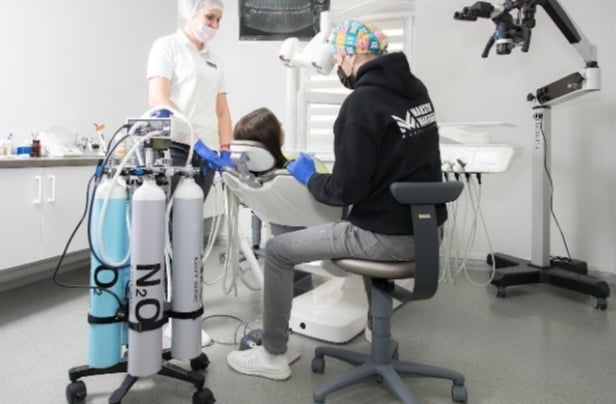
Nitrous oxide (laughing gas) remains the most commonly used sedation method for pediatric dental procedures because of its excellent safety profile and rapid reversibility. Children remain conscious and responsive throughout treatment while experiencing significant anxiety reduction and mild euphoria that makes procedures more tolerable. The gas takes effect within minutes and clears from the system completely within five minutes of discontinuation, allowing children to resume normal activities immediately after treatment.
Oral sedation using medications like midazolam provides deeper relaxation for children who need more extensive treatment or have severe anxiety that nitrous oxide alone cannot adequately address. These medications are carefully dosed based on the child’s weight and medical history, and they create a drowsy, relaxed state where children remain responsive but have little memory of the treatment afterward. Recovery takes longer than with nitrous oxide, typically requiring one to two hours of observation before children can safely leave the office.
For the most complex cases or children with special medical needs, IV sedation administered by pediatric dentists with advanced training provides the deepest level of conscious sedation possible in an office setting. This approach requires specialized monitoring equipment and training, but it allows for completion of extensive treatments in a single visit while maintaining the child’s natural breathing and protective reflexes.
The decision regarding which sedation option is most appropriate depends on factors including the child’s age, anxiety level, medical history, and the complexity of treatment needed. Pediatric dentists work closely with parents to explain the options, discuss risks and benefits, and ensure that both the child and family feel comfortable with the chosen approach before proceeding with any sedated treatment.
The foundation you establish for your child’s oral health during these early years creates ripple effects that extend far beyond their smile. As dental technology continues advancing and our understanding of the oral-systemic health connection deepens, the decisions you make now about preventive care, anxiety management, and professional relationships will influence not just your child’s comfort with dental treatment, but their overall health trajectory for decades to come.