
Understanding the Different Types of Teeth Whitening Options


The American Dental Association reports that tooth discoloration affects nearly 80% of adults by age 40, yet the explosion of whitening products and treatments has created more confusion than clarity for consumers trying to choose the right approach. From grocery store strips promising Hollywood smiles to professional treatments costing thousands, the whitening market has become a maze of competing claims and conflicting advice. What makes this particularly challenging is that the wrong choice doesn’t just waste money — it can cause lasting sensitivity or even damage enamel permanently. Understanding how different whitening methods actually work, their real-world effectiveness, and their potential risks becomes essential for anyone seeking brighter teeth without compromising their oral health.
How Do Teeth Whitening Treatments Work Chemically and Mechanically?
At its core, teeth whitening relies on two fundamentally different approaches: chemical bleaching and mechanical removal of surface stains. Chemical whitening uses peroxide compounds — either hydrogen peroxide or carbamide peroxide — that penetrate tooth enamel and break down the molecular bonds of stain particles. When these peroxide molecules contact organic stains from coffee, wine, or aging, they release oxygen atoms that literally oxidize the discolored compounds, breaking them into smaller, colorless fragments.
The concentration of peroxide determines both effectiveness and risk. Professional treatments typically use 15-35% hydrogen peroxide, while at-home products contain 3-10% hydrogen peroxide or up to 22% carbamide peroxide (which breaks down more slowly). Carbamide peroxide converts to hydrogen peroxide inside your mouth, but at roughly one-third the concentration, making it gentler for extended wear in custom trays.
Mechanical whitening works differently — it physically removes surface stains through abrasive action. Whitening toothpastes contain mild abrasives like silica or baking soda that scrub away surface discoloration, similar to how fine sandpaper removes paint. However, mechanical methods only address extrinsic stains (surface-level discoloration) and cannot penetrate enamel to reach deeper, intrinsic stains that develop from within the tooth structure.
The key distinction lies in depth of action. Chemical whitening can lighten teeth several shades by addressing both surface and internal discoloration, while mechanical methods provide more subtle improvements by polishing away accumulated stains. This difference in mechanism explains why professional chemical treatments produce dramatic results that mechanical approaches simply cannot match.
What Are the Common Teeth Whitening Options and How Do They Differ?
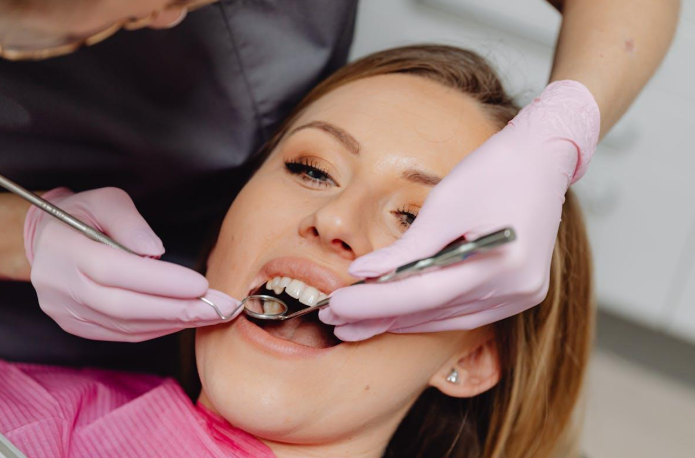
Professional in-office treatments represent the most aggressive approach, using high-concentration peroxide gels (typically 25-35% hydrogen peroxide) applied by a dentist or hygienist. These treatments often incorporate heat, light, or special activating agents to accelerate the whitening process, completing the procedure in 60-90 minutes. The controlled environment allows for protective measures like gum barriers and careful monitoring for adverse reactions.
At-home professional systems bridge the gap between convenience and effectiveness. Custom-fitted trays made from dental impressions hold lower-concentration gel (usually 10-22% carbamide peroxide) against teeth for several hours or overnight. This extended contact time compensates for the gentler formulation, producing results comparable to in-office treatments over 1-2 weeks.
Over-the-counter options vary widely in delivery method and concentration. Whitening strips use a thin plastic film coated with peroxide gel, typically 6-10% hydrogen peroxide, worn for 30 minutes daily. Generic whitening trays offer slightly higher concentrations but lack the precise fit of custom versions, potentially causing uneven results or gum irritation.
LED whitening kits combine moderate-strength gel with blue light activation, though research on light enhancement remains mixed. The convenience factor appeals to many users, but the one-size-fits-all trays often compromise contact with teeth surfaces. Whitening toothpastes and mouthwashes provide the gentlest approach, using low concentrations of peroxide (1-3%) or mild abrasives for gradual improvement over months of regular use.
The fundamental trade-off across all options remains consistent: higher concentrations produce faster, more dramatic results but increase the risk of sensitivity and require professional oversight for safe application.
What Are the Risks and Side Effects of Teeth Whitening Treatments?
Tooth sensitivity ranks as the most common side effect, affecting up to 78% of users according to clinical studies. This occurs because peroxide temporarily opens microscopic pores in enamel, exposing the underlying dentin layer where nerve endings reside. The sensitivity typically peaks 24-48 hours after treatment and can range from mild discomfort to sharp pain triggered by hot or cold foods.
Gum irritation presents another frequent concern, especially with ill-fitting trays or strips that allow gel to contact soft tissues. Prolonged exposure to concentrated peroxide can cause chemical burns, resulting in white patches on gums that usually heal within a few days. Professional treatments minimize this risk through protective barriers and precise application techniques.
Enamel damage represents the most serious long-term risk, particularly with overuse of high-concentration products or abrasive toothpastes. While enamel naturally remineralizes between treatments, excessive whitening can outpace this recovery process, leading to permanent thinning and increased translucency. Some patients develop a chalky, uneven appearance that cannot be reversed.
Overuse syndrome affects individuals who become obsessed with achieving unrealistic whiteness levels. Frequent treatments can create a cycle where teeth become increasingly sensitive and prone to staining, requiring ever-stronger products to maintain results. Dentists report seeing patients who’ve damaged their enamel pursuing the ultra-white look popularized by social media filters.
Certain individuals face elevated risks and should avoid whitening altogether. Pregnant and breastfeeding women should postpone treatment due to unknown effects on developing children. People with exposed tooth roots, extensive dental work, or existing sensitivity may experience severe discomfort. Those seeking smile enhancement services should consult with dental professionals who can assess individual risk factors and recommend appropriate alternatives when whitening isn’t suitable.
How Effective Are Different Whitening Methods and Which Suit Different Needs?
Professional in-office treatments consistently deliver the most dramatic results, typically lightening teeth 6-8 shades in a single session. However, this intensity comes with trade-offs — higher cost, increased sensitivity, and potential for uneven results if not carefully managed. These treatments work best for patients with severe discoloration who want immediate results for special events.
Custom tray systems offer the optimal balance of effectiveness and comfort for most people. Clinical studies show they can achieve 4-6 shade improvements over 2-3 weeks with lower sensitivity rates than in-office procedures. The extended contact time allows gentler concentrations to penetrate deeply, while the precise fit ensures even coverage across all visible teeth.
Over-the-counter strips typically produce 2-4 shade improvements but struggle with teeth that aren’t perfectly straight. The rigid plastic cannot conform to curved surfaces or reach between overlapping teeth, often creating patchy results. They work well for people with straight teeth seeking modest improvement at a lower cost.
For individuals with sensitive teeth, graduated approaches work best. Starting with whitening toothpaste for several weeks can reduce baseline sensitivity before progressing to low-concentration strips or professional-strength gels. Some dentists recommend desensitizing treatments before whitening to minimize discomfort.
Maintenance requirements vary significantly by method. Professional treatments may last 1-3 years with proper care, while strips typically require touch-ups every 6-12 months. Lifestyle factors play a crucial role — coffee drinkers, smokers, and red wine enthusiasts see results fade more quickly regardless of initial treatment method. Those committed to long-term results often combine periodic professional touch-ups with daily whitening toothpaste to maintain their investment.
Are Natural Teeth Whitening Remedies Effective and Safe?
Popular natural remedies like baking soda, activated charcoal, and oil pulling have gained significant social media attention, but scientific evidence supporting their effectiveness remains limited. Baking soda does possess mild abrasive properties that can remove surface stains, and some toothpastes incorporate it as an active ingredient. However, regular use of pure baking soda can be too abrasive for daily use, potentially wearing down enamel over time.
Activated charcoal products claim to absorb stains, but dental research has found no evidence supporting whitening benefits. More concerning, charcoal’s high abrasivity can damage enamel and existing dental work. The American Dental Association has specifically warned against charcoal-based oral care products due to these safety concerns.
Oil pulling — swishing coconut or sesame oil for 10-20 minutes — may reduce harmful bacteria and improve gum health, but studies show no significant whitening effects. The practice is generally safe but shouldn’t replace proven oral hygiene methods.
Strawberries, lemon juice, and apple cider vinegar represent particularly problematic remedies. While these acidic substances might temporarily make teeth appear brighter by removing surface layers, they actually weaken enamel through acid erosion. The citric and malic acids can cause permanent damage that makes teeth more susceptible to staining and decay.
The fundamental limitation of natural remedies lies in their inability to address intrinsic discoloration. Unlike peroxide-based treatments that penetrate enamel to break down internal stains, natural methods only affect surface-level discoloration. For people seeking genuine whitening results rather than modest stain removal, evidence-based chemical treatments remain the only scientifically proven option.