
How to Make Your Teeth Whitening Results Last Longer
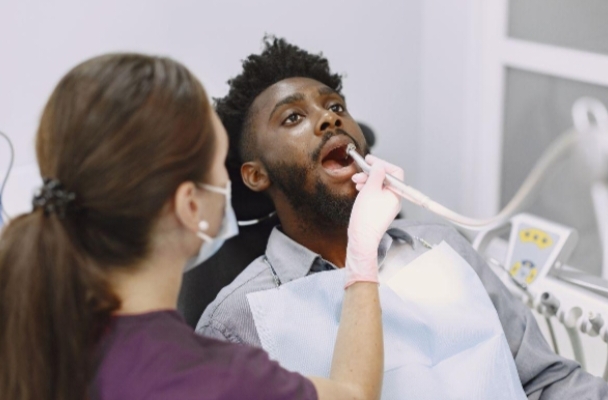


Most people walk out of a whitening appointment focused on what they see in the mirror — and stop thinking about their teeth the moment they leave the chair. That’s exactly when the real work begins.
The global teeth whitening market continues to grow steadily as more patients pursue both in-office and at-home treatments. But what separates someone who enjoys noticeably brighter teeth for two or more years from someone whose results fade within a few months usually has little to do with the whitening procedure itself. It has everything to do with what happens afterward.
Here’s the reality: whitened enamel doesn’t stay white on its own. The same biological mechanisms that caused discoloration in the first place remain active the moment treatment ends. Without deliberate aftercare, those mechanisms win — often faster than patients expect.
Consider someone who completes a professional teeth whitening session on a Friday, celebrates that evening with red wine, and returns to their usual coffee-and-no-sensitivity-toothpaste routine by Monday. Within six weeks, they’re noticing their smile looks closer to where it started. This isn’t bad luck. It’s a predictable outcome of skipping aftercare during the window when it matters most.
What follows is a practical, science-grounded guide to understanding *why* aftercare matters, what it actually looks like in daily practice, how to protect sensitive teeth through the process, and how to adapt your approach based on your specific situation — because not every whitening treatment, or every patient, responds the same way.
How Does Teeth Whitening Aftercare Affect Long-Term Results?
Whitening works by delivering peroxide-based agents — typically hydrogen peroxide or carbamide peroxide — into the enamel and dentin, where they oxidize pigmented organic compounds that cause staining. The results are real, but the structural conditions that follow treatment create a narrow window of vulnerability that most patients underestimate.
Immediately after whitening, the enamel surface is temporarily more porous than usual. The whitening agents open microscopic channels in the enamel structure to access chromogens (pigment molecules) deeper in the tooth. Those channels don’t reseal instantly. For roughly 24 to 72 hours post-treatment, the enamel is significantly more susceptible to stain absorption than it was before the procedure. Introducing deeply pigmented foods or drinks during this period essentially undoes a portion of the treatment.
Beyond that critical window, the long-term science is equally straightforward. Enamel remineralization — the process by which saliva and fluoride help restore the mineral density of tooth structure — takes time to fully stabilize the surface. Disrupting that process through acidic foods, abrasive toothpastes, or inadequate oral hygiene slows remineralization and leaves the enamel both more porous and more prone to new staining.
There’s also the question of extrinsic versus intrinsic staining. Whitening treatments are highly effective on extrinsic stains (surface discoloration from food, beverages, and tobacco) and moderately effective on shallow intrinsic stains. But once the surface is whitened, re-exposure to staining agents creates new extrinsic staining that accumulates faster on slightly roughened post-treatment enamel. Proper aftercare essentially interrupts this cycle at its earliest stage.
In practical terms: aftercare doesn’t extend the whitening effect arbitrarily. It protects the biological and chemical conditions that produced the result in the first place. Without it, the fade isn’t gradual — it’s accelerated.
What Are the Best Teeth Whitening Aftercare Practices?
Understanding the mechanism behind whitening vulnerability leads directly to the practices that counter it most effectively. The core principle is straightforward: reduce anything that introduces pigment or acid to freshly whitened enamel during the remineralization window, and support the tooth structure throughout.
The first 48 hours call for what dentists informally refer to as a “white diet” — foods and beverages that are both low in pigment and low in acidity. Plain rice, chicken, fish, eggs, white cheese, and still water are ideal. This isn’t about deprivation; it’s about giving the enamel time to begin closing those post-treatment channels before they absorb new chromogens.
Oral hygiene during this period requires a gentle touch. Brushing with a soft-bristled toothbrush using light pressure helps remove surface debris without abrading sensitive, temporarily softened enamel. Using a fluoride toothpaste — rather than a whitening toothpaste with silica abrasives — supports remineralization without creating micro-scratches that trap future staining.
Long-term maintenance requires integrating a few consistent habits: rinsing with water after stain-risk beverages, using a straw when drinking coffee or tea, and keeping up with professional cleanings every six months. The cleaning appointment matters not just for overall health but because polishing removes surface staining before it penetrates deeper into the enamel.
How to Build a Structured Teeth Whitening Aftercare Routine
The most effective aftercare routines work because they’re repeatable, not because they’re elaborate. For the first 48 hours, the priority is the white diet and gentle brushing, ideally twice daily with fluoride toothpaste and no mouthwash containing alcohol or strong pigments like those in some antiseptic formulas.
From day three onward, a maintenance-focused routine takes over. Morning: brush with a remineralizing or fluoride toothpaste, rinse thoroughly. Evening: floss before brushing to clear interproximal debris that could harbor stain-causing bacteria. Monthly: assess whether any obvious staining is accumulating and consider using a whitening maintenance product (see below) once or twice per week rather than daily.
Scheduling a professional cleaning six months after whitening — rather than waiting the full year — helps reset the surface before staining has time to re-establish itself.
Which Teeth Whitening Aftercare Products Are Most Recommended?
Product selection during aftercare matters more than most patients realize. In the immediate post-whitening phase, remineralizing toothpastes containing fluoride or hydroxyapatite are better choices than standard whitening toothpastes, which often include abrasive silica that can irritate already-sensitized enamel.
For ongoing maintenance, whitening toothpastes are appropriate — but look for formulas that rely on enzymatic stain breakdown rather than physical abrasion. Whitening touch-up strips or trays using low-concentration peroxide (around 3–6%) can extend results when used no more than once or twice per month after the initial treatment settles. Overuse of any peroxide-based product doesn’t enhance results; it risks cumulative sensitivity and enamel fatigue.
How Can You Manage Sensitivity and Protect Enamel During Aftercare?
Post-whitening sensitivity is one of the most common reasons people abandon aftercare routines — and ironically, poor sensitivity management often accelerates the very fading they’re trying to prevent.
Sensitivity after whitening occurs primarily because peroxide penetrates through enamel into the dentin, where it can stimulate the nerve endings inside the pulp. The sensation is typically sharp and transient — triggered by temperature extremes or air exposure — and for most patients resolves within 24 to 72 hours. However, patients with thinner enamel, existing gum recession, or prior sensitivity may experience it more intensely or for longer.
Managing this effectively starts before symptoms peak. Potassium nitrate toothpaste, used in the days leading up to and immediately following whitening, has demonstrated efficacy in reducing dentinal hypersensitivity by depolarizing nerve transmission. Many dentists recommend using it for three to five days pre-treatment as well as post-treatment for patients with known sensitivity concerns.
During the sensitivity window, avoid temperature extremes in food and drink — not just the obvious (ice water, hot soup) but subtler triggers like cold air on a morning commute or sleeping with your mouth open if you live in a dry climate. Enamel remineralization products containing calcium phosphate or fluoride varnish, sometimes applied in-office at the end of a whitening session, can meaningfully accelerate the sealing of enamel tubules and shorten the sensitivity period.
One caution worth emphasizing: if sensitivity persists beyond a week or feels qualitatively different from temporary sharp pain — particularly if there’s a dull, lingering ache — that warrants a dental evaluation rather than continued at-home management.
How Do Lifestyle Habits and Diet Influence Whitening Longevity?
The structural work of aftercare supports enamel in the short term, but lifestyle is the real determinant of how long results hold over months and years.
Tobacco use — both smoked and smokeless — is among the most aggressive drivers of tooth discoloration. Nicotine and tar adhere aggressively to enamel and penetrate into dentin, and post-whitening enamel absorbs these compounds with even less resistance than untreated teeth during the first few weeks. Patients who smoke shortly after whitening can see measurable restaining within days.
Coffee, tea, and red wine are the most commonly cited culprits in dietary staining, but the mechanism is worth understanding beyond the obvious. It’s not simply pigment — it’s pigment combined with acidity. Acidic beverages temporarily soften enamel, making it more receptive to chromogen absorption. Drinking coffee or wine in short, concentrated sessions (rather than sipping slowly over hours) reduces the cumulative contact time and limits ongoing acid exposure.
Hydration plays an underappreciated role. Saliva is the body’s natural enamel remineralizer and mechanical rinse. Chronic dehydration reduces saliva flow, which slows remineralization and leaves the tooth surface more vulnerable to both staining and acidic erosion. Staying consistently hydrated supports the biological processes that help maintain enamel integrity — and by extension, whitening results.
Finally, diet quality beyond beverages matters. High-sugar diets promote bacterial acid production at the gum line and interproximal surfaces, creating conditions that slowly erode the enamel surface. A diet that already supports good oral health — lower in fermentable sugars, higher in calcium-rich foods — creates a biological environment that holds whitening results longer.
How Should Aftercare Be Tailored by Whitening Method and Patient Factors?
Not all whitening experiences are the same, and neither are the aftercare needs that follow them.
In-office treatments — such as those using high-concentration peroxide activated by light or heat — typically produce more immediate, dramatic results, but they also involve more significant post-treatment sensitivity and a wider-open enamel surface for a longer period. These patients benefit from stricter adherence to the first-48-hour white diet and should prioritize remineralizing products over any maintenance whitening during the first week.
At-home tray treatments using lower concentrations of peroxide over multiple sessions produce more gradual results with less acute sensitivity. The aftercare window is similar but the intensity of restrictions can be moderated. The risk here is overuse — patients who see slow results sometimes extend treatment beyond recommended cycles, which compounds enamel vulnerability rather than improving outcomes.
Patient-specific factors matter as well. Older adults often have denser, less permeable enamel due to years of mineral accumulation, which can mean slower whitening results but also a more stable surface post-treatment. Younger patients — particularly adolescents with larger pulp chambers — may experience more pronounced sensitivity and need more conservative aftercare products. Patients with enamel erosion from acid reflux or dietary acids need to address the underlying cause alongside any whitening regimen, or results will be short-lived regardless of how carefully they follow aftercare instructions.
Anyone considering professional teeth whitening for the first time would benefit from a pre-treatment enamel assessment — knowing your baseline enamel health shapes not just which treatment is appropriate, but how much structure your aftercare plan needs to include.
The question worth sitting with isn’t just “how do I keep my teeth white?” — it’s “what does my specific situation call for?” That answer changes depending on how you whitened, how your enamel behaved during treatment, and which lifestyle habits pose the greatest long-term risk to your results. Getting that answer right from the start is what separates temporary brightness from genuinely lasting change.