
How Non-Invasive Repairs Can Save Your Water Features
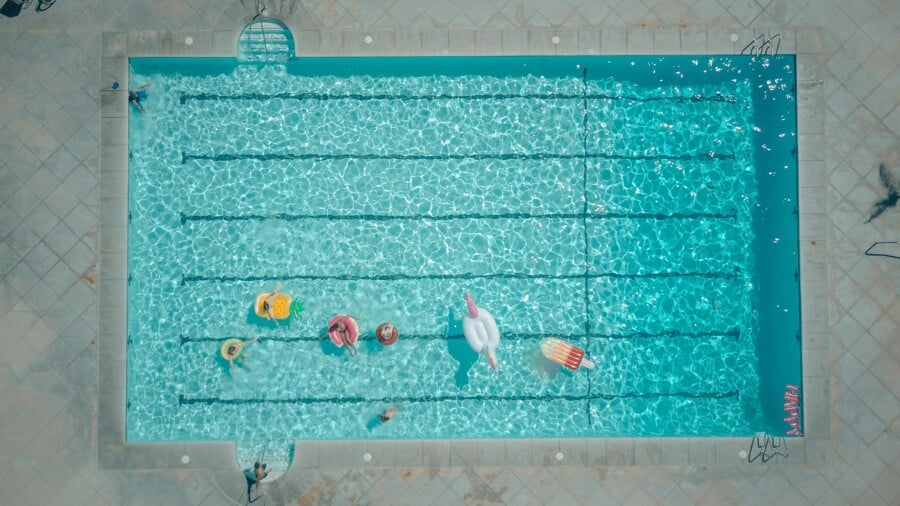


A backyard pool or water feature costs real money to build and maintain. When water levels start dropping without a clear reason, the temptation is to dig everything up and find the problem fast. That approach usually causes more damage than the leak itself.
Non-invasive leak detection gives homeowners a smarter path forward. Trained technicians use pressure testing, acoustic sensors, and dye tracing to pinpoint leaks before any repair work starts. Professional pool leak detection services follow this kind of systematic process to confirm exactly where water is escaping. That means less disruption, lower costs, and a faster return to using the space you paid to build.
Why Water Features Lose Water Faster Than You Think
Water loss in pools and spas is common, but the causes are not always obvious. Many homeowners blame evaporation, and in warm climates that is sometimes part of the picture. But evaporation alone rarely accounts for drops that add up to hundreds of litres a week.
A simple bucket test helps rule out evaporation. Fill a bucket with pool water and place it on a step. Mark both the pool water line and the bucket water line. After 24 hours, compare the two levels. If the pool drops significantly more than the bucket, there is likely a structural or plumbing leak somewhere.
The real causes usually fall into one of these areas:
- Plumbing connections that shift due to ground movement or soil pressure over time
- Hairline cracks in the pool shell that are too thin to see without dye testing
- Fitting failures around return jets, skimmer boxes, or light housings
- Spa spillover edges that allow more water movement than the system can replace
Knowing the likely source helps a technician target the right area from the start, which keeps the inspection efficient and cost-effective.
What Non-Invasive Detection Actually Involves
Non-invasive detection means finding the leak without cutting, digging, or demolishing anything first. The process starts with isolating different parts of the system to separate plumbing issues from shell issues. That alone narrows down the location quickly.
Common Detection Methods
Once the system is isolated, technicians choose from several approaches depending on where the leak appears to be.
- Pressure testing pushes air or water through plumbing lines to find where pressure drops, pointing to a break in the pipe
- Acoustic listening devices pick up the sound of water escaping through a crack or joint underground
- Dye testing uses a small amount of coloured dye near suspected areas, and if it gets pulled into a crack, the location is confirmed visually
- Electronic leak detection follows current along wet paths beneath the surface using specialised equipment
According to the US Environmental Protection Agency, household leaks waste nearly one trillion gallons of water annually across the country. Outdoor water features are a significant but often overlooked source of that loss.
Why Precision Saves Money
A good technician can isolate a leak to within a few centimetres without breaking a single tile. That precision is what keeps repair costs manageable. When the source is confirmed before any work begins, the fix is targeted and the surrounding area stays intact.
How Leaks Damage More Than Just Your Water Bill
A slow pool leak does not just waste water. It softens soil, undermines pavers, erodes retaining walls, and can compromise the ground near the pool shell over time. By the time a homeowner notices visible damage like a crack in the deck or a soft patch of lawn, the underlying problem has often been building for months.
Outdoor living spaces in the South are built as connected environments. Pools, patios, garden beds, and outdoor kitchens all sit close together. A leak that goes undetected long enough can spread damage across several parts of that space at once.
Catching the problem early with non-invasive methods keeps all of it intact. No torn-up decking, no broken pavers, and no replanting after a repair crew finishes. The repair footprint stays small because the detection work was thorough upfront.
Southern homes also tend to run pools for longer seasons than most parts of the country. That extended use means more wear on fittings, valves, and seals over time. Regular monitoring makes sense for any property where the pool or spa sees consistent use through the warmer months.
Protecting the Long-Term Value of Your Property
Routine inspection and maintenance of pool systems can extend the life of the structure and its equipment by many years. The Pool and Hot Tub Alliance supports this through industry standards that encourage regular servicing and early intervention. A small fix handled quickly is far less disruptive than a structural repair after months of water infiltration.
Non-invasive methods also mean the pool or spa can often return to use faster. When no demolition is needed, the repair window shrinks considerably. For homeowners who rely on their outdoor space for entertaining or family use through the season, that speed is a real advantage.
What to Do If You Suspect a Leak
Start with the basics before calling anyone. Monitor your water bill over a few consecutive months and look for unexplained spikes. Walk the perimeter of the pool or spa and check for soft ground, standing water, or visible cracks in the coping or deck. Check the equipment pad for signs of moisture around fittings and valves.
If the bucket test points toward a leak, bring in a professional before reaching for a shovel. Giving a technician clear information upfront helps them target the right areas from the start, which saves time and reduces the overall cost of the job.
Here is a simple checklist to work through before making the call:
- Note when the water loss started and how much you are topping off each week
- Check whether the loss continues when the pump is off versus when it is running
- Look for recent changes like new equipment, heavy rain, or nearby construction work
- Inspect visible fittings, skimmer lids, and return jets for cracks or loose seals
Being prepared with this kind of detail makes the inspection faster and more focused from the moment the technician arrives on site.
Keeping What You Built in Good Shape
Water features are built to be used, not constantly managed. Catching a leak early with precise, non-invasive tools keeps the backyard in good condition and avoids damage that spreads quietly before it becomes visible. For homeowners who have put real effort into their outdoor spaces, a thorough detection process before any repair work begins is simply the most sensible way to protect that investment.