
What Practical Tips Help Protect Children in Post-Disaster Environments?


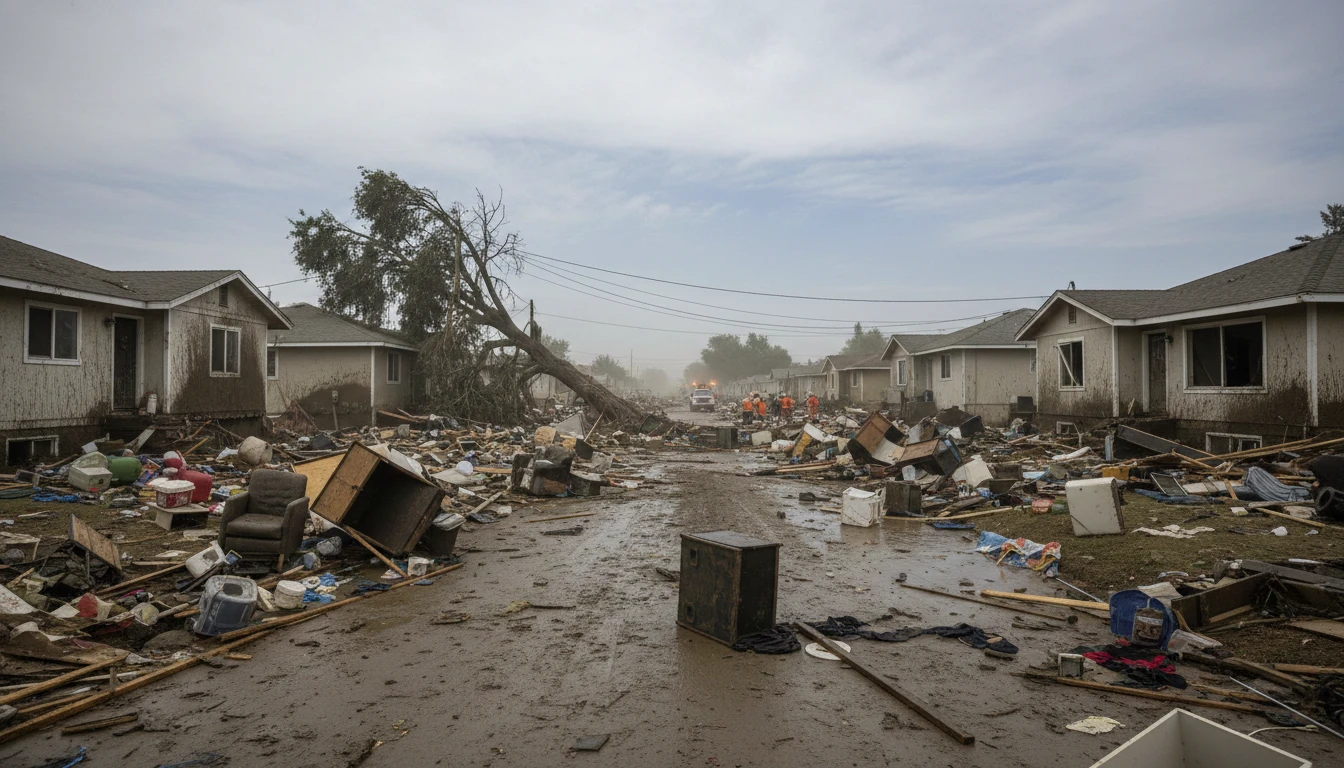
You reckon the worst is behind you once the floodwaters drop or the embers cool? Think again. That’s exactly when kids become sitting ducks. Families scatter. Strangers swarm in with “help”. And the gaps in the system? They swallow the vulnerable whole.
I’ve been boots-on-ground in enough Aussie disasters to know the drill. The Black Summer bushfires. The endless Queensland floods. Cyclone stuff up north. Each time, the same story: chaos doesn’t just destroy homes. It rips away the everyday safeguards that keep children safe. And if you wait for someone else to fix it, you’re already too late.
The Chaos Hits Kids Hardest Right After the Event
Don’t buy the fluffy talk about “resilience building”. Kids don’t bounce back on autopilot. Separation from parents spikes. Stress turns normal adults into short-fused ones. And economic hits open doors to exploitation.
Reports show more than 1.4 million young Australians get slammed by disaster or extreme weather every average year. Post-event patterns are brutally clear: kids left unsupervised while parents queue for aid, temporary shelters without proper checks, and predators posing as volunteers. Economic stress and insecure living conditions crank up risks of violence and abuse. I’ve watched it unfold. Last big flood I hit in northern NSW, we had three kids go missing in the first week. Not lost in the water. Lost to opportunists circling the relief camps.
You can’t prevent every risk. But you sure as hell can shrink the window where bad actors operate.
Lock Down the Basics in the First 48 Hours
Forget fancy plans. Start crude and effective.
Keep families glued together if humanly possible. No splitting kids off to separate tents or mates’ places without a rock-solid system. Use simple ID: wristbands with name, parent contact, and a unique code. Sharpie on the arm works in a pinch, but make it waterproof.
Eyes on kids at all times. Rotate adult watchers. No kid wanders off to “play” in the debris. Not even for five minutes. I’ve seen too many “just quick” moments turn ugly.
Secure shelter and supplies yourself before relying on handouts. Pack go-bags with kid-specific stuff: familiar toys, meds, snacks. It keeps them calm and visible. Hungry, bored kids draw attention from the wrong crowd.
And communicate. Tell every adult in your group the rules upfront. No exceptions.
Spot the Predators Before They Strike
This is where most people drop the ball. They assume “Aussies help Aussies” and let guards down.
Watch for red flags: adults offering unsolicited lifts, gifts, or “special” attention to kids. Strangers hanging around play areas without their own children. Anyone pushing hard for kids to join “youth programs” without family involvement.
Question everyone. Yeah, it feels rude. Tough. Better rude than regret.
In post-disaster zones, trafficking risks climb fast. Separation creates orphans-in-all-but-name. Economic desperation makes families vulnerable to “job” offers that aren’t. I’ve pulled kids out of situations where a “kind helper” was lining up something far darker.
Report anything off immediately. To local police, not just the bloke next to you. And push for proper vetting of volunteers. Not everyone with a high-vis vest is legit.
Coordinate with the Disaster Assistance Response Team
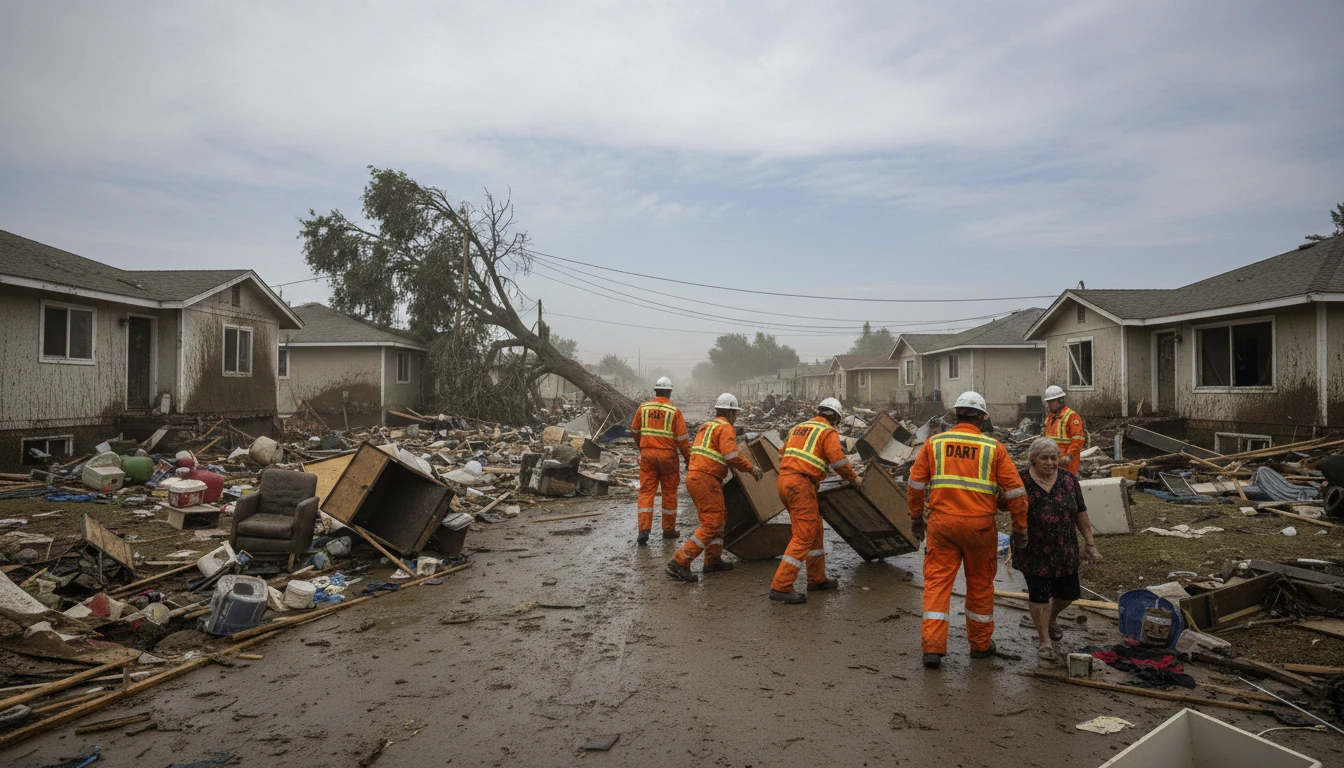
Here’s the practical bit most skip: don’t go lone wolf. Hook into official channels early.
The disaster assistance response team knows the terrain. They’ve got logistics, security protocols, and eyes on the ground that locals can’t match. When I worked the 2023 floods, linking up with them cut our response time in half. They set up secure zones, ran background checks on aid workers, and flagged high-risk areas before problems brewed.
Call them in for assessments. Share intel on missing kids or dodgy characters. Their structure pulls in state emergency services, federal support, and keeps the whole mess coordinated. Going solo wastes time and leaves gaps. Work their system. It works.
Push for child-specific checkpoints at aid distribution points. Demand family reunification hotlines run through them. Real results come from this partnership, not wishful thinking.
Link Up with Anti-Trafficking Organizations for the Long Game
Immediate fixes matter, but the threats linger. Months out, when the cameras leave and fatigue sets in, that’s when exploitation digs in deep.
Get connected with anti-trafficking organizations straight away. They bring specialist knowledge on spotting patterns, safe referral pathways, and support that goes beyond basic aid. In Australia, these groups plug straight into federal programs for victims.
I’ve seen it pay off. One family I supported post-bushfire got fast-tracked help because we looped in the right contacts early. No waiting lists. No red tape hell. Just targeted intervention that kept their kids off the radar of opportunists.
Train your group on their resources. Know the signs: sudden “relocations” for work, kids with unexplained money or items, isolation from family. Report through proper channels. These organisations have the networks to investigate without blowing up community trust.
Don’t wait for a crisis to hit. Build the link now. It turns reactive panic into proactive shields.
Build a Community Watch That Delivers Results
Set up daily headcounts. Simple roster: who saw which kid when. Use group chats or whiteboards at central points. No tech? Pen and paper works fine.
Pair adults with families. Mates systems where one watches two households. Rotate to avoid burnout.
Involve older kids too, but smartly. Teach them to flag issues without putting them in harm’s way. The bushfire prep programs showed kids can step up with agency and confidence. Use that.
Light self-awareness keeps morale up when everything else sucks.
Enforce it. No “she’ll be right” excuses. Real protection demands discipline.
Nail the Paper Trail and Follow Through
Chaos erases details fast. Document everything.
Photos of kids with parents, daily logs of movements, notes on interactions. Store copies off-site if possible. Apps with cloud backup beat soggy notebooks.
Register with official missing persons systems immediately if separation occurs. Push relief agencies for biometric ID options where available.
Follow up relentlessly. Don’t assume reports get actioned. Ring back. Escalate.
It’s grunt stuff. But it closes loops that predators exploit.
Look, I’ve seen fluffy advice fail families time and again. These tips? They’ve been battle-tested in real Aussie messes. They cut risks because they focus on what actually moves the needle: vigilance, coordination, and zero tolerance for gaps.
Apply them. Adjust for your patch. And remember, protecting kids post-disaster isn’t about waiting for rescue. It’s about building the rescue yourself, one practical step at a time.