Why Learning Life-Saving Skills Matters in a Coastal City Like Savannah


Living in a beautiful coastal city like Savannah offers countless advantages. From stunning waterfront views and historic charm to recreational activities along rivers and nearby beaches, the city attracts residents and visitors who enjoy spending time around water. Whether it’s boating, fishing, kayaking, or simply relaxing near the shoreline, water plays a major role in the lifestyle of this region.
However, with these opportunities also comes responsibility. Coastal environments can present unique risks, particularly when it comes to water safety. Learning life-saving skills is not just beneficial in a place like Savannah—it is essential. Skills such as swimming, rescue awareness, and emergency response can make a critical difference in preventing accidents and protecting lives.
This article explores why life-saving skills are especially important in coastal cities and how communities can benefit from better safety awareness and training.
The Coastal Lifestyle and Its Risks
Savannah sits along the Atlantic coast and is surrounded by rivers, marshlands, and nearby barrier islands. Residents often spend time near water through activities like boating on the Savannah River, visiting nearby beaches, or enjoying waterfront parks. While these experiences are enjoyable, water environments can be unpredictable.
Strong currents, sudden weather changes, and unfamiliar swimming conditions can quickly turn a fun outing into a dangerous situation. Even experienced swimmers can face challenges if they encounter rip currents, fatigue, or unexpected drops in water depth. In coastal areas, accidents may happen quickly, and immediate help is not always nearby.
This is why communities located near water benefit greatly from having residents who are trained in basic safety and emergency response. When people understand how to react during emergencies, they can help prevent minor incidents from becoming tragedies.
Understanding the Importance of Water Safety
Water safety is about much more than just knowing how to swim. It involves awareness, preparation, and the ability to act calmly during emergencies. In coastal regions like Savannah, water safety education helps people recognize potential hazards and respond effectively when problems arise.
For example, knowing how to identify dangerous currents, understanding when it is safe to swim, and supervising children near water are simple yet important safety habits. Communities that emphasize these practices tend to experience fewer accidents and stronger public awareness around water safety.
Parents, educators, and local organizations play a key role in spreading this knowledge. Teaching children how to behave responsibly near pools, lakes, or oceans builds habits that last a lifetime.
Why Swimming Skills Are Essential
Swimming is one of the most important life-saving skills anyone can learn. In coastal cities, it can truly mean the difference between life and death. People who know how to swim confidently are more capable of handling unexpected situations in the water.
Swimming lessons also teach important survival techniques such as floating, treading water, and controlled breathing. These skills allow individuals to stay calm and conserve energy if they ever find themselves in trouble.
Many families encourage their children to start swimming lessons at an early age because children who grow up near water naturally spend more time around pools, beaches, and lakes. Learning proper techniques early helps them feel comfortable and safe in aquatic environments.
Programs offered by organizations such as Nemo Swim schools help individuals develop these foundational skills while building confidence in the water. Professional instruction ensures that learners understand both technique and safety, creating a stronger sense of preparedness.
Emergency Preparedness Saves Lives
Even with the best precautions, emergencies can still happen. In such situations, having someone nearby who knows how to respond can make a dramatic difference.
When a person experiences a drowning emergency, every second counts. Immediate assistance can keep oxygen flowing to the brain until professional medical help arrives. This is where emergency response skills become incredibly valuable.
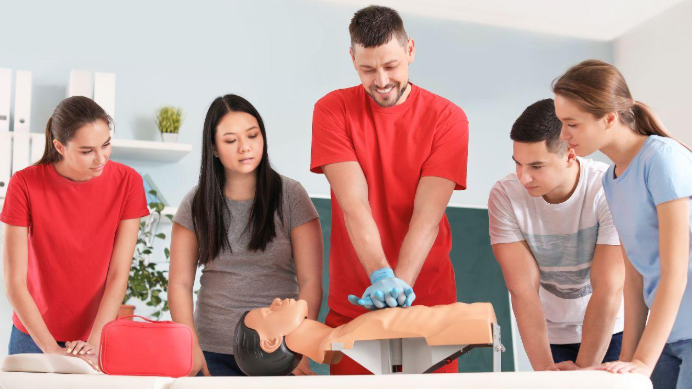
Learning techniques like rescue breathing and chest compressions allows individuals to help someone in distress before paramedics arrive. Training programs that teach CPR certification equip people with the knowledge and confidence needed to respond effectively during emergencies.
In coastal communities like Savannah, this type of training is particularly valuable because residents often spend time in environments where water-related incidents may occur. The more people who possess these skills, the safer the entire community becomes.
Building a Safer Community
Life-saving skills do not just protect individuals—they strengthen entire communities. When more residents understand water safety and emergency response, everyone benefits.
For example, trained individuals can assist during accidents at public beaches, community pools, or boating events. They can help stabilize a situation while waiting for professional rescue teams. This immediate response can significantly improve survival outcomes during emergencies.
Community centers, schools, and recreational programs often encourage participation in water safety workshops and emergency response training. These initiatives promote awareness and encourage residents to take responsibility for safety in shared spaces.
In a city that values outdoor recreation and waterfront activities, building a culture of preparedness ensures that people can continue enjoying these activities safely.
Teaching Children Early Makes a Difference
Children growing up in coastal cities are naturally drawn to water. Whether it’s visiting the beach, swimming in pools, or exploring local waterways, water becomes a regular part of their environment.
Teaching life-saving skills early helps children develop both confidence and caution around water. Lessons that include safe entry techniques, floating skills, and understanding water rules create strong safety habits.
Parents also benefit from learning water safety practices so they can supervise their children effectively. Simple habits—like constant supervision near water, using proper safety gear, and teaching children to respect water conditions—greatly reduce risks.
When children grow up with these lessons, they carry them into adulthood and pass them on to future generations.
Tourism and Public Safety
Savannah is a popular tourist destination known for its historic architecture, coastal charm, and scenic waterways. Visitors often enjoy boating excursions, kayaking tours, and beach trips nearby.
With tourism comes an increased need for public safety awareness. Visitors may not always be familiar with local water conditions, tides, or safety guidelines. Having residents and local staff trained in life-saving skills helps ensure that accidents can be addressed quickly and effectively.
Hotels, tour operators, and recreational businesses can benefit from encouraging staff members to receive safety training. Doing so creates a safer environment for both visitors and locals.
Encouraging a Culture of Preparedness
Creating a safer coastal community requires ongoing education and awareness. Schools, community groups, and local organizations can work together to promote life-saving skills through workshops, classes, and awareness campaigns.
Public events focused on water safety can teach residents about safe swimming habits, rescue techniques, and emergency preparedness. These initiatives not only educate people but also inspire them to take action by learning essential safety skills.
Even small steps—like attending a water safety seminar or enrolling in a training program—can contribute to a stronger culture of preparedness.
Life in a coastal city like Savannah offers countless opportunities to enjoy the beauty and excitement of water-based activities. From boating adventures to relaxing beach outings, the water is a central part of the local lifestyle.
But with these opportunities comes the responsibility to stay safe and prepared. Learning life-saving skills such as swimming, water safety awareness, and emergency response can make an enormous difference in preventing accidents and saving lives.
When individuals take the initiative to learn these skills, they not only protect themselves but also contribute to the safety of their entire community. In a place where water is such an important part of daily life, investing time in safety education is one of the most valuable decisions anyone can make.