Why Cannabis Culture Feels More Mainstream Today
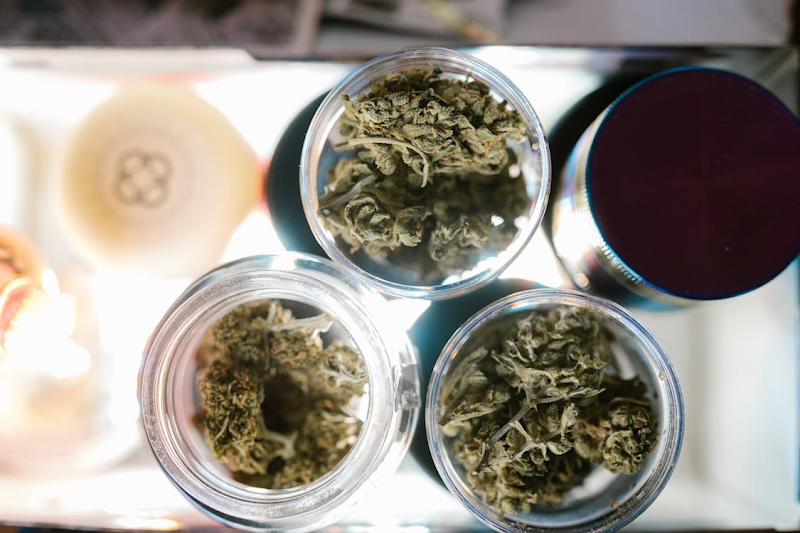


A dispensary menu now looks more like a coffee board than a back alley exchange. Products sit in sleek packaging, strain names share space with dosage notes, and public debate sounds far less hushed than it once did. That visible shift helps explain why cannabis feels more familiar to many adults now.
The change did not come from one source alone. Public opinion moved, state laws changed, and wellness culture made plant based routines part of everyday talk. In places where adults compare products, read labels, or even discuss whether people buy weed online, cannabis starts to look less fringe and more like another regulated consumer category.
Public Opinion Has Shifted In Plain Sight
The clearest reason cannabis feels more mainstream is that public support has climbed over time. Pew Research Center reported in 2024 that 88 percent of Americans said marijuana should be legal for medical or recreational use, with 57 percent supporting both uses and 32 percent supporting medical use only. That kind of broad approval changes how the topic sounds at dinner tables, in local politics, and in everyday media coverage.
When a topic gets a lot of support from people it is no longer something that people only talk about in private. People start to think of it as something that affects everyone like a question about our health or the things we buy. This does not mean that everyone agrees with it. It does mean that people are not as surprised by it anymore.
This is similar to what happens with things that people talk about in public. Things that used to be considered private or embarrassing start to seem normal when people talk about them openly and often. For example people used to be quiet about things like health understanding our own bodies and taking care of ourselves.. Now we talk about these things all the time. The same thing is happening with wellness, where things that used to be private are now being talked about openly. South readers have probably seen this happen in articles about being more open and honest, about our health and wellness.
Mainstream status also grows when younger adults enter the public square with fewer old taboos. Many have grown up hearing about cannabis in legal, medical, and policy settings rather than only in crime stories. That changes tone before it changes law.
Legalisation Made Cannabis More Visible
State policy has also changed the way people see cannabis in daily life. According to the National Conference of State Legislatures, as of June 26, 2025, forty states, three territories, and the District of Columbia allow medical cannabis use, while twenty four states, three territories, and the District of Columbia allow or regulate adult non medical use. A topic becomes more familiar when large parts of the country regulate it openly instead of forcing it into the shadows.
Visibility changes culture in a practical way. Legal shops use standard packaging rules, age checks, product labels, and dosage information. Consumers see menus, taxes, local debates, and safety notices rather than whispers and coded language. That moves cannabis closer to other regulated goods, even while federal law still conflicts with many state systems.
This openness also changes how communities discuss risk. Cities and states can have talks about young people getting access driving while impaired using products in public and testing products. These conversations can be tough. They are more straightforward.
In the South the change might seem patchy because laws and cultural norms do not change at the pace everywhere. Still folks notice the change when they travel, read the news, scroll, through social media or chat with friends in areas where its more settled.
Wellness Culture Changed The Tone
Cannabis also feels more mainstream because the public language around it changed. People now discuss sleep, stress, soreness, and evening routines in a more open way than they once did. That broader wellness focus made room for plant based products to enter everyday speech, even among adults who do not use them.
You can see that tone shift in several ways.
- Products now come with dosage, terpene, and ingredient details
- Consumers often compare formats like flower, gummies, oils, and vapes
- People talk more about routine, setting, and moderation than rebellion
- Retail design often borrows from skincare, tea, and health shop cues
None of this means cannabis became harmless or simple. It means the framing changed. A product that looks measured, labelled, and discussed in ordinary terms will feel more mainstream than one wrapped in secrecy.
That softer tone connects with Southern traditions too, where plant knowledge, herbal drinks, and home remedies have long shaped daily life. Articles about native medicinal plant traditions and tea culture show how Southern readers already understand the social role of plants in comfort, ritual, and community memory. Cannabis enters a culture like that through familiarity as much as novelty.
Retail Access Made It Feel Ordinary
Retail structure plays a large part in public perception. When adults can compare formats, read reviews, and learn basic product terms, cannabis starts to resemble other age restricted goods. That includes the language around shopping, delivery rules, packaging standards, and secure transactions.
This is one reason online search habits changed public perception. People do not only ask what cannabis is. They also ask how products differ, how long effects may last, and how regulated sellers verify age or explain potency. That consumer style research makes the category feel closer to wine, supplements, or specialty tea than to old drug war stereotypes.
A mainstream product category also grows through repetition. News outlets cover policy. Local governments debate zoning. Employers revise rules. Friends compare experiences. Even people who never use cannabis still absorb the language around it through normal civic life.
At the same time, more visibility brings more responsibility. Mainstream culture should not mean careless use or blind trust. It should mean better public information, clearer law, stronger product standards, and more honest discussion about where cannabis fits, and where it does not.
What This Shift Really Means
Cannabis feels more mainstream today because law, public opinion, retail systems, and wellness culture all moved in the same general direction. It is still contested, and the rules still vary sharply by place. Even so, the topic now sits in public view, where adults can talk about it in practical terms rather than coded ones.
That is the real shift. Cannabis no longer reads as a hidden subculture to many people. It reads as a visible part of modern consumer life, shaped by policy, habit, and social acceptance, even while debate continues.