
Transform Your Home into a Wellness Retreat with an Infrared Home Sauna
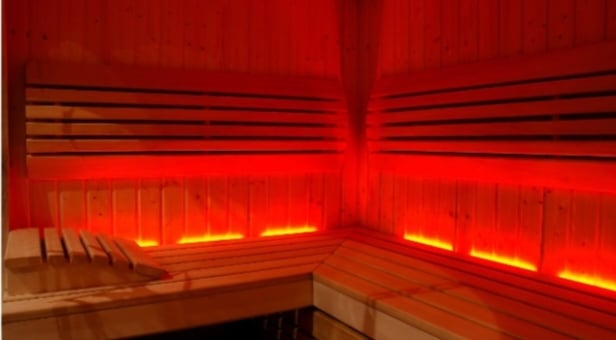


Imagine stepping into a warm, quiet space at the end of a long day where stress melts away, your muscles relax, and your mind finally slows down. For many homeowners, this experience no longer requires a trip to a luxury spa or wellness canter. Today, it’s possible to create that same rejuvenating environment right at home with an infrared home sauna.
An infrared sauna uses gentle infrared light to heat the body directly rather than warming the surrounding air like traditional steam saunas. This approach allows you to enjoy deep, therapeutic heat at lower temperatures, making sessions more comfortable while still delivering impressive wellness benefits.
In short, installing an infrared sauna at home can transform an ordinary space into a personal wellness retreat—one that supports relaxation, recovery, and overall well-being.
In this guide, we’ll explore how infrared saunas work, why they’re becoming a staple in modern wellness homes, and how you can turn your house into a peaceful retreat with this powerful yet simple upgrade.
What Is an Infrared Home Sauna?
An infrared sauna is a type of sauna that uses infrared light waves to heat the body directly rather than heating the air around you.
Traditional saunas often operate at temperatures between 150°F and 195°F, which can feel overwhelming for some people. Infrared saunas, by contrast, typically run between 110°F and 140°F, yet still produce deep, penetrating heat that encourages sweating and relaxation.
Instead of steam or extremely hot air, infrared saunas rely on infrared panels that emit light wavelengths absorbed by the skin and tissues. This heat penetrates deeper into the body, promoting circulation and muscle relaxation.
Because of the gentler temperature and targeted heat, infrared saunas are widely praised for being more comfortable and accessible for beginners while still offering powerful health benefits.
Why Homeowners Are Turning to Infrared Saunas
Over the last decade, wellness-focused home design has grown rapidly. People want spaces that help them recharge physically and mentally. Infrared saunas fit perfectly into that vision.
Here are a few reasons homeowners are embracing them.
Convenience and Accessibility
A spa day sounds wonderful—until you consider the drive, the scheduling, and the cost.
With an infrared sauna at home, relaxation becomes a daily ritual instead of an occasional luxury. You can step inside for 20 minutes in the morning, after workouts, or before bedtime.
Comfort Compared to Traditional Saunas
Because infrared saunas operate at lower temperatures, many people find them easier to tolerate.
The experience is warm and soothing rather than overwhelmingly hot.
This makes it easier to enjoy longer sessions without discomfort.
Energy Efficiency
Infrared saunas typically use less energy than traditional saunas because they heat the body directly and warm up quickly.
Many models can be plugged into a standard household outlet, making them practical for residential use.
Compact and Stylish Designs
Modern infrared saunas are designed with homes in mind.
They come in compact sizes that fit easily into:
Home gyms
Spare rooms
Basements
Large bathrooms
Wellness corners
Some even resemble elegant wooden cabinets, blending seamlessly with modern interior design.
The Wellness Benefits of Infrared Sauna Sessions
The real appeal of an infrared sauna lies in how it supports both physical recovery and mental relaxation.
Let’s explore the most notable benefits.
Deep Relaxation and Stress Reduction
One of the first things people notice during a sauna session is how quickly the body relaxes.
The gentle heat encourages muscles to loosen while calming the nervous system.
After a stressful day, a sauna session can feel like pressing a reset button for the body and mind.
Muscle Recovery and Pain Relief
Athletes and fitness enthusiasts often use infrared saunas to support recovery.
Heat therapy increases circulation, which may help deliver oxygen and nutrients to sore muscles.
This can reduce stiffness and promote faster recovery after exercise.
Improved Circulation
Infrared heat gently raises the body’s core temperature.
This process encourages blood vessels to expand, improving circulation.
Better circulation supports overall cardiovascular health and helps the body transport nutrients more efficiently.
Skin Health
Sweating is one of the body’s natural cleansing processes.
Infrared sauna sessions stimulate sweating, which can help remove impurities from the skin.
Many people report that regular sessions leave their skin feeling clearer and more refreshed.
Better Sleep
Relaxation before bedtime plays a major role in sleep quality.
Because sauna sessions calm the nervous system and reduce tension, many users report deeper and more restful sleep afterward.
The Power of a Full Spectrum Infrared Sauna
While traditional infrared saunas typically use a single wavelength range, newer models often feature a full spectrum infrared sauna system.
This means the sauna emits three different types of infrared wavelengths:
Near infrared (NIR)
Supports skin health and cellular repair.
Mid infrared (MIR)
Helps increase circulation and stimulate tissue relaxation.
Far infrared (FIR)
Encourages deep sweating and detoxification.
A full spectrum system allows users to benefit from multiple layers of heat therapy simultaneously.
For people seeking a more comprehensive wellness experience, this technology offers a broader range of therapeutic effects.
Designing Your Home Wellness Retreat
Creating a wellness retreat at home isn’t just about installing a sauna. It’s about building an environment that encourages relaxation and restoration.
Here are a few ways to elevate the experience.
Choose the Right Location
Infrared saunas are flexible in placement, but some locations work particularly well.
Popular options include:
A quiet corner of a home gym
A dedicated wellness room
A finished basement
A spacious bathroom
The goal is to place the sauna in a low-traffic area where you can relax without interruptions.
Focus on Atmosphere
Your wellness retreat should feel calming the moment you walk in.
Simple design elements can enhance the space dramatically.
Consider adding:
Soft lighting
Indoor plants
Aromatherapy diffusers
Natural wood decor
Relaxing music or sound machines
Together, these elements create a spa-like atmosphere.
Add a Cooling and Relaxation Area
A sauna session becomes even more enjoyable when paired with a cool-down period.
Nearby additions might include:
A comfortable lounge chair
A small meditation corner
A hydration station with water or herbal tea
This transforms your sauna session into a complete wellness ritual.
What to Look for When Buying an Infrared Sauna
If you’re considering installing one at home, choosing the right sauna is essential.
Here are a few factors to evaluate.
Size and Capacity
Saunas come in different sizes ranging from single-person units to multi-person cabins.
Consider how many people will use it regularly and how much space you have available.
Heating Technology
Look for high-quality infrared panels that provide even heat distribution.
Some premium models offer full spectrum heating systems for more advanced therapy.
Materials and Construction
High-quality infrared saunas often use durable woods such as:
Canadian hemlock
Cedar
Basswood
These materials resist heat damage and create a pleasant aroma during sessions.
Safety Features
Reliable models include features such as:
Temperature control systems
Automatic shut-off timers
Low electromagnetic field (EMF) technology
These features help ensure safe, consistent operation.
Ease of Installation
Many infrared saunas are designed for simple home assembly.
Some can be installed in less than an hour using basic tools.
Others arrive as modular panels that lock together easily.
How to Use an Infrared Sauna Safely
While infrared saunas are generally safe, responsible use is important.
Here are a few guidelines to follow.
Start with Short Sessions
Beginners should begin with 10–15 minute sessions and gradually increase duration.
Most people eventually settle into sessions lasting 20–30 minutes.
Stay Hydrated
Sweating can cause fluid loss.
Drink water before and after each sauna session.
Listen to Your Body
If you feel dizzy or uncomfortable, exit the sauna and cool down.
Comfort should always be the priority.
Consult a Doctor When Necessary
Individuals with certain health conditions should consult a healthcare professional before using a sauna.
A Daily Ritual for Modern Living
Modern life moves fast. Stress, screens, and constant demands can make it difficult to relax fully.
An infrared sauna offers something rare in today’s world: a quiet, restorative pause.
It’s a space where you can disconnect from technology, breathe deeply, and let your body recharge.
Over time, many people find that regular sauna sessions become a cornerstone of their wellness routine.
It’s not just about heat or sweating—it’s about creating a habit of caring for yourself.
Final Thoughts
Transforming your home into a wellness retreat doesn’t require a complete renovation or a luxury spa budget. Sometimes, one thoughtful addition can make all the difference.
An infrared home sauna offers a powerful combination of relaxation, recovery, and convenience—all within the comfort of your own home. From easing sore muscles to improving sleep and creating a peaceful daily ritual, it’s a small investment that can have a big impact on your well-being.
As wellness-focused home design continues to grow, infrared saunas are quickly becoming one of the most sought-after features for people who want to live healthier, calmer lives.