
Tips for Maintaining a Lush Lawn Year-Round
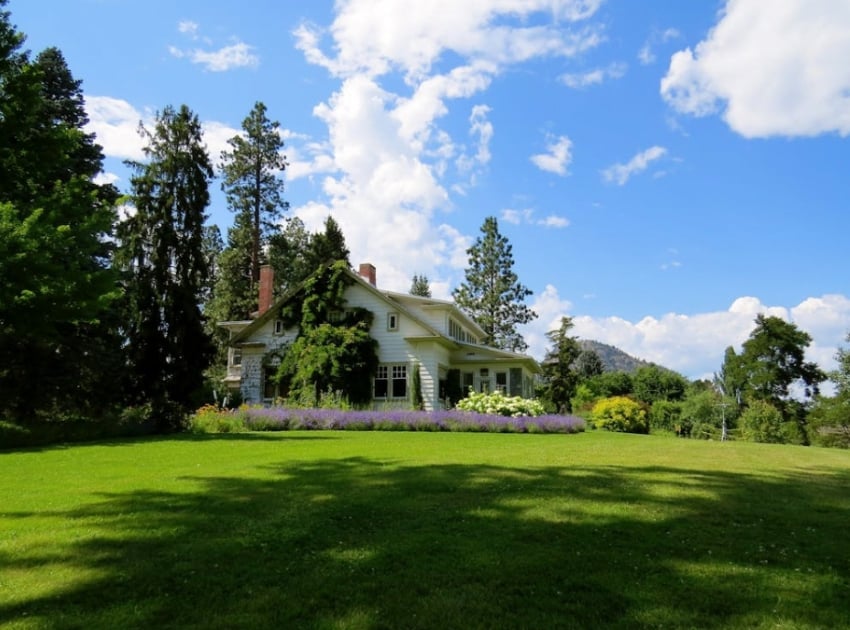


A good lawn in Georgia usually tells the truth about the last two weeks of weather. After a warm rain, grass can pop fast, and weeds do the same. When the heat sticks around, bare spots show up in the same places every year.
That is why alpharetta lawn care with Weed Pro often starts with timing, not guesswork. Alpharetta yards deal with humid summers, short cold snaps, and long shoulder seasons. A steady plan helps lawns stay thick without adding extra work.
Choose The Right Grass For Your Yard
Most lawns in North Georgia lean warm season, like bermuda or zoysia, but some yards keep tall fescue. Your grass type decides what “normal” looks like in April and in October. It also changes how quickly weeds move in when turf thins out.
Warm season grass wakes up later than many homeowners expect. A lawn can look quiet while soil stays cool, even under bright sun. Pushing fertilizer too early can feed weeds before grass is ready to use it well.
Cool season grass behaves almost opposite in Georgia’s weather. It can stay greener into fall, then struggle during peak summer heat. If fescue is your base, summer stress planning matters more than spring growth.
A simple soil test can save a lot of trial and error. It tells you if pH is off, or if phosphorus and potassium are already high. Local Extension advice also helps with timing, like the guidance in this University of Georgia resource on fertilizing lawns.
Fertilize At The Right Time
Fertilizer works best when it matches active growth. In Alpharetta, that usually means late spring through summer for warm season lawns. Fall feeding can be useful, but late season nitrogen can create problems.
Start with a realistic schedule instead of a big one time application. Many lawns do better with smaller feedings spaced out. That lowers burn risk and helps turf fill in between treatments.
Rates matter as much as timing, especially near driveways and sidewalks. Excess product can wash into storm drains during heavy rain. A slow release formula can help, because it feeds grass over time.
If you have irrigation, adjust your plan around it. Fertilizer and water work together, but too much of either can invite disease. When you see mushrooms, slick patches, or thinning circles, slow down and reassess.
Watch for common nutrient signals, but do not chase color alone. Deep green can look nice, yet thick turf is the real weed barrier. A lawn that feels springy underfoot usually has stronger roots.
Stop Weeds Before They Spread
Weeds are easier to stop than to fight once they spread. In Georgia, many of the worst offenders start early, even when grass still looks sleepy. That is why a pre emergent window matters so much.
Crabgrass prevention is the classic example in spring. If you miss that timing, you can end up playing catch up all summer. Broadleaf weeds can also surge after warm winter weeks.
A thick lawn is still the best first defense. When grass grows dense, sunlight cannot reach the soil as easily. Weed seeds have a harder time sprouting and surviving.
Spot treatments can be helpful when done carefully. The main rule is label first, spray second. Labels are not filler. They set legal directions and safety steps, and misunderstanding one can mean the product does not work or is not safe to use around kids. The EPA’s guide to labeling basics for pesticides explains what each section of a label actually means.
If you have kids, pets, or a lot of foot traffic, timing matters even more. Treat when the yard can stay quiet for the recommended period. Then let products dry fully before anyone returns.
Handle Pests, Disease, And Water Stress
In Alpharetta summers, lawns often face stress stacks. Heat rises, humidity stays high, and insects become more active. When turf is already stressed, damage shows faster and spreads wider.
Grubs and other root feeders can thin turf from below. You might notice soft spots, wilting that does not match watering, or wildlife digging. Early diagnosis matters, because the fix depends on the pest and its life stage.
Fungal issues can also appear during wet, warm stretches. Look for circles, streaks, or patches that expand after rain. Overwatering at night can make this worse, since blades stay wet longer.
Irrigation helps, but only if it is set up for the season you are in. A good system supports deep, infrequent watering that pushes roots downward. Quick daily watering can leave roots shallow and more heat sensitive.
It helps to think of outdoor spaces as part of daily life, not just yard work. A weekend visit to the Coastal Georgia Botanical Garden can make it easier to notice plant stress patterns. Those same cues apply at home, like leaf curl, dull color, and thin coverage.
Keep A Simple Seasonal Routine
A year round plan is easier when it stays simple. Think in four checks, growth timing, feeding timing, weed timing, and water timing. When those four match the season, lawns usually stay fuller.
Here is a practical rhythm many Georgia homeowners follow:
Spring: schedule pre emergent work, then wait for steady growth before feeding.
Summer: focus on balanced fertilization, insect monitoring, and smart irrigation adjustments.
Fall: reduce nitrogen as growth slows, then clean up broadleaf weeds as needed.
Winter: use the slower months for soil testing and irrigation inspections.
If you like having a calendar anchor, local garden events can be a good reminder. A garden tour lands in the same season many lawns shift into fall routines. Seasonal cues help, because weather is never identical year to year.
A Lawn That Stays Strong All Year
A healthy lawn in Alpharetta usually comes from steady timing, not one big fix. When fertilization lines up with active growth, and weed control starts before weeds show, grass stays thicker through heat and rain. Add smart irrigation and quick pest checks, and you avoid the slow decline that creates bare spots.
The goal is a yard that handles real Southern weather without constant troubleshooting. Small seasonal adjustments, like easing off nitrogen in fall or watching for summer disease after humid weeks, keep turf consistent. If you stay focused on growth timing, weed timing, and water timing, the lawn tends to look better month after month.