
Multi Unit Abutments: Foundation of Stable Full-Arch Implant Restorations
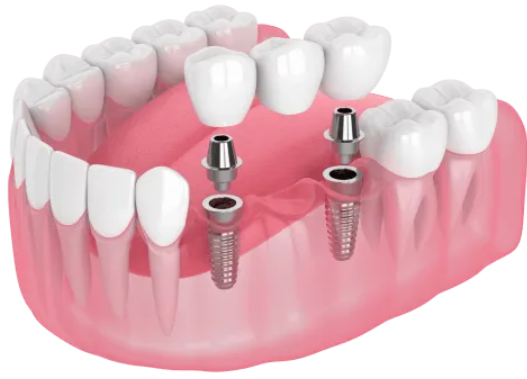


Modern implant dentistry increasingly relies on predictable solutions for full-arch and complex prosthetic restorations. Among the key components that enable these treatments are multi unit abutments. Designed to correct implant angulation and create a stable prosthetic platform, multi unit abutments play a central role in screw-retained restorations and digital implant workflows.
For implantologists and restorative dentists, understanding the function and clinical advantages of multi unit abutments is essential when planning full-arch prosthetics, hybrid bridges, or immediate loading protocols.
What Are Multi Unit Abutments?
Multi unit abutments are prosthetic components placed between a dental implant and a screw-retained restoration. Their primary purpose is to provide a unified restorative platform when implants are placed at different angles or depths.
Unlike standard abutments used for single crowns, multi unit abutments are specifically designed for multi-implant restorations such as full-arch bridges.
Key characteristics include:
- Angulated or straight configurations
- Precise implant connection compatibility
- Screw-retained prosthetic interface
- Platform designed for prosthetic passivity
By repositioning the prosthetic interface above the implant platform, multi unit abutments simplify restorative procedures and improve long-term maintenance.
Why Multi Unit Abutments Are Used in Full-Arch Restorations
In many full-arch cases, implants cannot be placed perfectly parallel due to anatomical limitations such as bone volume, sinus location, or nerve positioning. Multi unit abutments compensate for these variations.
They provide several clinical advantages.
First, they correct implant angulation, allowing prosthetic screws to emerge in more favorable positions.
Second, they elevate the restorative platform above soft tissue, which improves access during prosthetic procedures and maintenance.
Third, they enable passive fit of large prosthetic frameworks, reducing mechanical stress on implants and prosthetic screws.
These features make multi unit abutments a standard component in treatments such as All-on-4 and other full-arch implant protocols.
Straight vs Angulated Multi Unit Abutments
Multi unit abutments are available in multiple configurations depending on implant positioning.
Straight Multi Unit Abutments
Straight abutments are used when implants are placed relatively parallel to the prosthetic path of insertion. They provide a direct restorative interface and are commonly used in posterior implant positions.
Advantages include:
- Simpler prosthetic workflow
- Direct load transfer
- Reduced prosthetic complexity
Angulated Multi Unit Abutments
Angulated abutments typically come in 17° and 30° configurations. These designs correct implant angulation and redirect the prosthetic screw channel.
Benefits include:
- Improved prosthetic screw access
- Better esthetic positioning of screw channels
- Reduced need for excessive prosthetic compensation
Proper selection of abutment angulation is essential for achieving optimal prosthetic alignment.
Materials and Manufacturing Precision
Multi unit abutments are typically manufactured from high-grade titanium due to its strength, corrosion resistance, and biocompatibility.
Precision manufacturing is critical because even minimal discrepancies at the implant-abutment interface can lead to mechanical complications such as screw loosening or micro-movement.
High-quality components are produced using advanced CNC machining and strict tolerance control to ensure:
- Accurate implant connection
- Stable prosthetic interface
- Long-term mechanical reliability
Surface finishing and connection design also influence the long-term stability of the restoration.
Integration with Digital Implant Workflows
Digital dentistry has significantly improved the planning and fabrication of implant prosthetics. Multi unit abutments are fully integrated into modern CAD/CAM workflows.
Once the abutments are placed, clinicians can perform digital impressions using scan bodies specifically designed for multi unit connections. The scan data is then used to design the prosthetic framework digitally.
This approach provides several advantages.
It improves accuracy of the prosthetic design, accelerates communication with the laboratory, and allows fabrication of highly precise frameworks using milling or additive manufacturing technologies.
Digital workflows also make it easier to design screw-retained restorations with predictable occlusion and passive fit.
Clinical Benefits for Implant Dentists
Multi unit abutments offer several practical advantages in daily clinical practice.
They simplify prosthetic procedures by creating a uniform restorative platform. This is especially valuable when implants are placed at different angles or depths.
They improve access for hygiene and prosthetic maintenance because the restorative interface is positioned above soft tissue level.
They also facilitate screw-retained prosthetic solutions, which are easier to retrieve and maintain compared with cement-retained restorations.
For long-term implant therapy, retrievability is a major advantage that allows clinicians to manage complications or prosthetic adjustments efficiently.
Long-Term Reliability and Maintenance
One of the major reasons multi unit abutments are widely adopted in implant dentistry is their contribution to prosthetic stability.
Because the prosthetic framework connects to the multi unit platform rather than directly to the implant, mechanical stress is distributed more evenly across the restoration.
This design reduces the risk of:
- Implant connection wear
- Screw loosening
- Prosthetic misfit
In addition, maintenance procedures such as prosthetic removal, hygiene treatment, or component replacement can be performed without disturbing the implant interface.
Conclusion
Multi unit abutments have become a fundamental component in contemporary implant prosthetics, particularly for full-arch restorations and complex multi-implant cases.
By correcting implant angulation, creating a consistent restorative platform, and supporting screw-retained prosthetics, these components significantly improve both clinical workflow and long-term treatment outcomes.
For clinicians seeking predictable results in implant rehabilitation, properly selected and precisely manufactured multi unit abutments remain an essential part of modern implant dentistry.