How to Enjoy a Cozy Weekend in a Longhouse Cabin
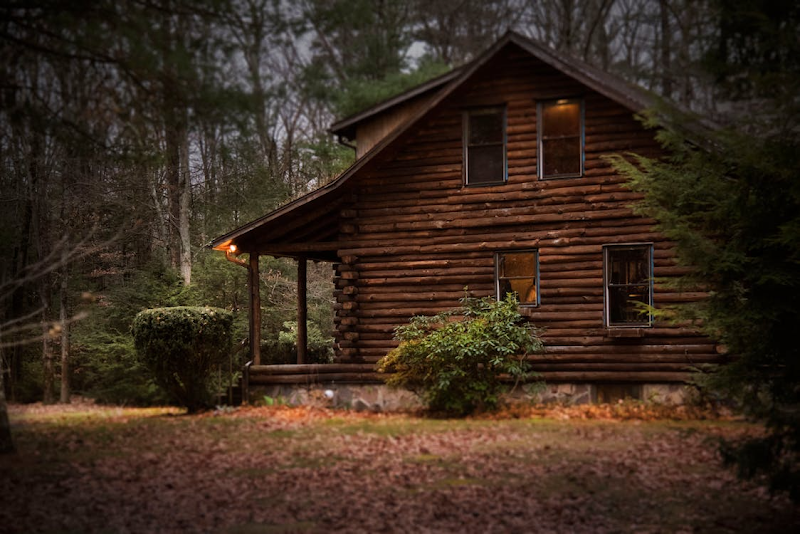


You hear the stove click, and the room starts to warm up. Wet shoes rest by the door, and the kettle starts to hum. The pace shifts right away, and the cabin feels calm.
That is why cabin weekends feel so good for many people. They give you rest without asking for much. You slow down, eat simple food, and enjoy the small comforts around you.
A stay in Haida Gwaii beach cabins fits that kind of trip well. These small longhouses use locally milled cedar and keep things simple. Each one includes a queen bed, bunk bed, day bed, gas stovetop, bathroom, and wood burning fireplace.
Guests need to bring bedding and towels, so planning helps from the start. The cabins also use limited electricity and ask guests to save water. Once you know that, it gets easier to pack well and settle in.
Pack With Comfort In Mind
A cozy weekend starts before you arrive. Your bag shapes the trip more than most people expect. When you pack well, the cabin feels easier from the first night.
Since the cabins do not include bedding or towels, those items come first. A warm blanket, clean sheets, and soft pillowcases make a real difference. Dry towels and an extra pair of socks help too.
The National Park Service shares a solid camping packing guide. Their advice covers the basics that support a smooth stay. That kind of list helps you skip stress and focus on the trip.
Before you leave, it helps to think in simple groups. That keeps your bag useful and easy to manage.
Sleep And Stay Warm
Your sleep setup shapes the whole weekend. If you sleep well, everything else feels better. If you sleep cold, the next day feels longer.
Bring these items for a better night
- warm bedding that fits the season
- one extra blanket for colder hours
- comfortable sleepwear and dry socks
- a small pillow if you like your own
Cover The Daily Basics
The cabin setup stays rustic, so small basics help a lot. You do not need a huge list, but you do need the right things. That balance keeps the trip easy.
A few basics go a long way
- towels for bathing and hand drying
- a flashlight or headlamp for dark hours
- simple toiletries and any daily medicine
- a water bottle and easy snacks
That kind of packing supports comfort without filling every corner of the car. It also fits the cabin style better. You bring what you need, and you skip what will only sit unused.
Let The Cabin Set The Rhythm
A longhouse cabin works best when you let the place shape the day. You do not need a packed plan to enjoy it. In most cases, a simple rhythm feels better.
These cabins include a gas stovetop, cooking gear, and a fireplace. That setup supports easy meals and slow evenings. It also keeps the trip grounded in simple routines.
You can build the day around a few steady points. That keeps the weekend relaxed while still giving it shape. When the weather shifts, the plan still works.
A simple cabin rhythm often looks like this
- Start with a warm breakfast and hot drink.
- Spend the middle of the day outside or on the road.
- Head back before dinner and settle in slowly.
- End the night by the fire with cards or quiet talk.
That pace feels natural in a place like Haida Gwaii. You do not need to fill every hour. One walk, one meal, and one calm evening can feel complete.
That is also part of the appeal for readers who enjoy place based travel. A good weekend often comes from small choices done well. The best trips rarely need a packed schedule.
Keep Meals Easy And Warm
Food can shape the whole mood of a cabin stay. If dinner feels hard, everyone gets tired fast. If dinner feels easy, the evening stays warm and relaxed.
That is why simple meals work best here. The cabin includes a stovetop and cooking tools, so you can cook. Still, the setup works better with easy food than complex meals.
Try to do a little prep before you arrive. Chop vegetables at home and pack dry goods together. Bring one first night meal that only needs heat.
This kind of food plan works well in a rustic cabin
- soup, chili, or pasta for the first dinner
- eggs, oats, or toast for a simple breakfast
- fruit, crackers, and cheese for afternoon snacks
- one easy dessert for the evening
Those meals keep cleanup light, and they save energy. They also leave more room for the part people enjoy most. You get more time to sit, talk, and rest.
If the weather turns wet or cold, warm food helps even more. A simple meal can reset the whole group. It gives the night a steady, comfortable start.
Make The Evenings Feel Cozy
Cabin evenings do not need much, but they do need some thought. Comfort usually comes from a few small things done well. Warmth, dry clothes, and low effort fun go a long way.
The fireplace helps set that mood right away. Once dinner ends, the cabin starts to feel smaller and warmer. That often becomes the best part of the trip.
Parks Canada shares useful campfire safety guidance. Their tips support safe fire use and a calmer night. Even with a cabin fireplace, those habits still help.
Before the evening starts, take a minute to reset the space. That small step makes the night feel more comfortable. It also helps everyone settle in faster.
A few easy touches can help
- hang damp clothes where they can dry
- set out mugs, tea, or hot chocolate
- keep a book, cards, or game nearby
- lower the noise and let the room settle
Rain can even improve the mood in a cabin. You hear the weather outside and feel warm inside. That contrast makes the space feel even better.
Leave Room For Quiet Time
A cozy cabin weekend should not feel rushed. The setting does part of the work for you. Your job is to leave enough room to notice it.
Hiellen sits near North Beach in Haida Gwaii, so the setting supports that slower pace. You can head out for a walk, then come back and rest. That balance gives the trip a full but calm feel.
The cabins also ask guests to save water and expect limited power. That may sound strict at first, but it helps shape the stay well. You use what you need, and you keep things simple.
That kind of stay can feel refreshing because it cuts out extra noise. You stop chasing constant activity and start noticing the place around you. The cabin feels better when you work with it, not against it.
A good longhouse weekend does not depend on doing more. It comes from packing well, eating simply, and keeping the plan light. When you do that, the fire feels warmer, the meals taste better, and the quiet feels easy.