How Medical Alert Bracelets Enhance Safety for Seniors


The porch steps look harmless until a little rain leaves a slick shine on the boards. You notice it most when you are carrying something and moving fast. That is when “just a quick step” can feel less predictable.
A lot of families start talking about senior safety after a small scare, not after a major event. Someone gets light headed at the store, or slips near the tub, and routines that felt normal suddenly feel riskier. The concern is not only the slip itself, it is what happens next if help is slow. That is why medical alert bracelets keep showing up in everyday conversations. They offer a simple way to call for support fast, especially in the ordinary moments where falls and delays tend to start.
Image by Life Assure
Where Falls And Delays Really Start
Most falls are not dramatic, and that is what makes them so unsettling later. They happen while stepping over a door frame, carrying laundry, or reaching for a cabinet. The body moves like it always has, and then it does not.
I have heard people describe the quiet moment after a slip, when they try to decide if pain is serious. Sometimes pride kicks in, and they downplay it, even when their hands tremble. The CDC’s older adult falls resource puts hard numbers behind that risk, and it also explains why fast help matters.
Delays are not only about falls, either, and that surprises many caregivers. Dizziness, low blood sugar, and sudden weakness can make a person freeze in place. Even a short delay can raise the chance of confusion, dehydration, and a tougher recovery.
What A Bracelet Helps With In The Moment
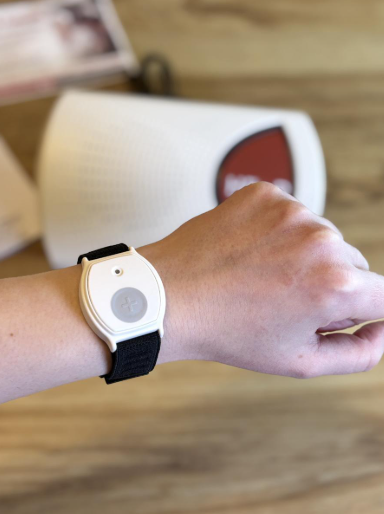
A wearable alert device helps by shrinking the space between trouble and support. When a phone is charging in the kitchen, a wrist device stays close. That simple difference can change the next five minutes.
Many systems include two way voice, so the wearer can speak without walking around. That can feel reassuring when breathing is shaky, or when standing feels risky. It also helps when a person’s first instinct is to apologize instead of asking for help.
Some devices include fall detection, which can trigger an alert after a hard drop. That matters for people who might lose awareness or feel too rattled to press a button. It is not perfect in every situation, yet it often adds a helpful layer.
Situations where people tend to appreciate the extra support include:
- A slip in the bathroom, when the floor is wet and balance feels off.
- A dizzy spell outside, when heat and humidity make energy drop quickly.
- A missed step on the porch, when hands are full and the rail is out of reach.
- Chest discomfort or sudden weakness, when sitting still feels safer than walking.
Features That Matter When Life Is Busy
The best device is the one a person will actually wear every day. Comfort matters because a band that pinches ends up on a nightstand. Style matters, too, since nobody wants something that screams “fragile” at brunch.
Water resistance tends to be a make or break detail in real life. Showers are common fall zones, and people often remove devices before bathing. A bracelet that stays on through hand washing and shower time can cover a gap families worry about.
Voice clarity also matters more than most people expect at first. A living room can be loud when the television is on and grandkids are visiting. Clear audio reduces the need to repeat details while someone already feels stressed.
Here are features many families look for when comparing options:
- Fall detection that can alert support even when the wearer cannot press the button.
- Water resistance that holds up during showers, hand washing, and sweaty outdoor errands.
- Two way voice communication that stays clear, even in busy rooms and street noise.
- Battery life that fits the person’s habits without frequent charging anxiety.
- Simple charging that feels manageable for hands with stiffness or reduced grip strength.
Making It Part Of The Routine Without Feeling Heavy
The emotional side matters as much as the technical side, and families feel that quickly. Seniors often fear losing control more than they fear the device itself. A calmer tone helps the bracelet feel like a normal tool, not a warning label.
Small habits make the biggest difference, because they remove daily decisions. The bracelet goes on after dressing, the same way a watch does. Charging happens in one familiar spot, so it stops becoming a mental chore.
Many households also keep a short safety card in an easy location. It lists allergies, medications, and a primary doctor, and it saves time during a tense moment. The National Institute on Aging has helpful guidance on aging and daily safety topics at NIA Health Information, and it can support families planning these routines.
A simple setup tends to feel lighter when it follows the way people already live:
- Two trusted contacts are often enough, especially when they answer quickly at different hours.
- A quick test call can reduce anxiety, because the wearer hears the process once.
- A consistent charging spot works well, like beside a coffee mug or a bedside lamp.
- A short “what to do” plan can lower stress, since everyone knows who gets called first.
Peace Of Mind That Still Feels Like Freedom
A good safety plan supports a full life, not a smaller one. People still want to go to the farmers market, sit through church, and visit friends across town. The bracelet can make those outings feel less tense for everyone.
Families often describe the relief in very ordinary terms, which says a lot. Fewer missed calls turn into fewer spirals, and check ins feel calmer. Adult kids stop feeling like they have to hover, and seniors stop feeling watched.
There is also dignity in not needing to explain every ache to the whole family. If something feels wrong, the person can reach support quietly and quickly. That privacy can help someone stay confident, even while taking smart precautions.
A practical takeaway usually lands in one place: match the device to real routines, then make wearing it feel automatic. The goal is steady support during the moments people cannot predict. When the bracelet fits daily life, safety stops feeling like a constant conversation.