Faces as Passwords: How Facial Recognition Is Transforming Digital Identity


Introduction The Emergence of Face-Based Identity.
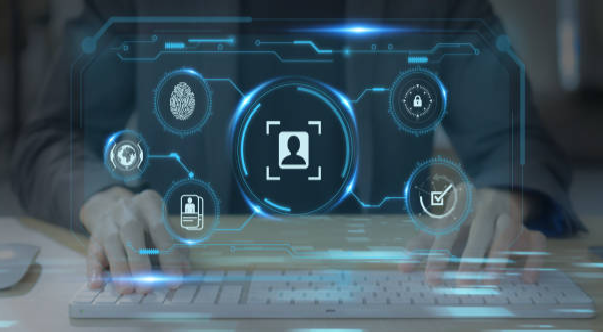
Facial recognition has swiftly passed out of science fiction and into reality. What would have been regarded as a futuristic movie element is now installed in smartphones, airports, banks, and digital platforms across the globe. Facial recognition has become a fundamental technology within the digital identity systems of today since it identifies or authenticates individuals using artificial intelligence to identify them using their facial characteristics. Its development is indicative of the rising need to have quick, safe, and hassle-free means of verifying the identity of a person in an ever-digitalized world.
The operation of Facial Recognition Technology.
The concept of liveness detection is based on machine learning and computer vision. The system identifies a human face first in an image or a video and then compares distinctive facial features like the distance between eyes, nose shape, jaw line and general facial structure. These characteristics are transformed into a mathematical value commonly denoted as a facial template. A user who wants to be authenticated compares the new facial data to stored templates to identify a match to the system. The development of the deep learning has dramatically enhanced the accuracy, even in the case of low lighting or appearance change.
Major Forces that Spurred International Adoption.
Facility of convenience, security and scalability are the main factors that are inspiring the adoption of facial recognition rapidly. It is easy to forget, steal or forge passwords and physical documents but a face will always be there and it is hard to duplicate. Onboarding and authentication are also less frictious in organizations. The COVID-19 pandemic only added to the adoption rate, with the need to verify more of the public and commercial spaces being demanded as touchless verification solutions.
Facial Recognition in Law enforcing and security.
Facial recognition has been used in security and law enforcement, which is one of the first and the most apparent applications. The police employ the technology to track down suspects, to trace missing individuals as well as to increase the monitoring of people in the streets. When used appropriately, it may enhance safety and efficiency of the citizens and investigations. Nevertheless, its application in this area has also generated controversies regarding control, openness, and civil rights, which creates the necessity of regulating it and setting ethical standards.
Application Cases in commercial sectors.
In addition to security, facial recognition service is increasingly becoming a significant aspect in other business industries. In fintech and banking, it can safely onboard beneficiaries and authenticate identity with biometrics and prevent fraud. Facial recognition is a technology that helps retailers to personalize the customer experience and curb theft. Within the healthcare industry, it helps with patient identification and control, and it helps airports and other travel hubs to simplify passenger verification. These various applications show the versatility of the technology and its wide reaching effect.
Precision, Prejudice, and Moral Issues.
Facial recognition has continued to be challenged with regards to its accuracy and fairness, although it has its merits. The research has indicated that there are systems that have been found to be unequal among various groups of people casting doubts on discrimination and prejudice. These mismatches have severe consequences and in particular in law enforcement. These issues can only be addressed with high-quality training data, ongoing testing and clear performance benchmarks. Accountability, consent, and equal treatment should be employed as ethical deployment principles.
General Problems of Privacy and Data Protection.
Biometric information is very sensitive and facial data. The process of its collection, storage and processing provokes serious privacy issues. The theft of identity and long term damage can happen as a result of unauthorized access or data breaches since biometrics cannot be altered as a password. The legislation, including GDPR and other data protection regulations, is supposed to regulate the use of facial data, yet not all regions comply. Companies that practice facial recognition need to initiate robust data protection and transparency in data management.
The Facial Recognition and Digital Identity.
Face recognition is emerging as a foundation of online identities. It also provides remote identity validation, where the users can access services without the use of physical documents or checking in person. Facial recognition is used to counter spoofing and identity fraud when used with liveness testing and document validation. This is particularly useful in the financial services, e-government sites, and international digital onboarding platforms.
Facial Recognition Technology (FRT) Future Trends.
The future of facial recognition is accuracy, increased transparency and responsible innovation. The new trends are on-device processing to increase privacy, multimodal biometrics, which uses facial data together with voice or behavioral data, and tougher anti-spoofing. With the changing of regulations, organizations will be forced to strike a balance between both the development of technologies and the ethical responsibility and the trust of the population.
Conclusion
In the digital era, facial recognition is reinventing identity identification. It is an effective tool in any industry due to its capacity to provide safe, smooth, and touchless experiences. Nevertheless, its success will be determined by its responsible application that tackles the issue of privacy, bias, and ethical considerations. Facial recognition has the potential to keep transforming digital identity and gain the trust of users across the world by integrating technological innovation with good governance.