Creating an Inviting Space with Quality Bar Equipment
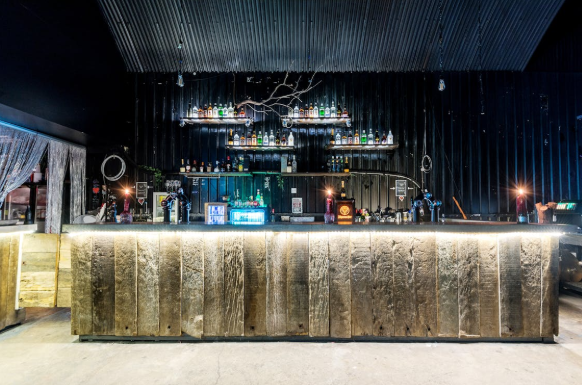


A busy bar tells you a lot before the first drink lands. Glasses catch the light, ice stays clean, and bottles sit within easy reach. People notice those details even when they never say a word about them.
That kind of ease usually starts behind the counter, where the right refrigeration, storage, and prep tools shape how the whole space runs. Many owners look to suppliers like Chef Stop when they need commercial bar equipment that supports faster service, cleaner workstations, and a more polished guest experience.
Good design helps, but a bar only feels welcoming when the setup supports the pace of service. When refrigeration sits in the right spot and tools stay close at hand, staff can move with less stress and guests get a better experience. That practical side of bar planning is what shapes the flow of the room, which is where the layout starts to matter most.
Start With Flow, Not Decoration
A welcoming bar works like a good kitchen. Every tool has a home, and every movement has a reason. When bartenders can grab glassware, mixers, and ice in one smooth sequence, guests feel the difference right away.
The layout should support the way drinks are made during a real shift. Back bar refrigeration helps keep bottles chilled and visible, while undercounter storage keeps backup stock close. Ice bins, speed rails, and sinks should sit within a few steps of the main mixing zone, not across the room.
That kind of flow helps in small bars as much as large ones. It cuts wasted motion, shortens wait times, and keeps the counter looking tidy during rush periods. Guests may not study the layout, yet they notice when service feels easy and steady.
An inviting space also leaves room for people to settle in. Seats should face the action without crowding it, and service paths should stay open. Bars with the same warm spirit found in Southern hospitality and attentive service often feel more relaxed because staff can focus on people, not on workarounds.
Choose Equipment That Supports Clean Service
Looks matter, yet sanitation matters just as much in any beverage program. The National Sanitation Foundation notes that NSF/ANSI 7 covers food protection and sanitation requirements for commercial refrigerators and freezers, including beverage coolers.
That standard matters because bar refrigeration does more than hold bottles. It affects temperature control, wipe down routines, and how easily staff can spot spills or expired stock. Glass door coolers can help with visibility, while solid worktops can add landing space for prep and service.
Ice equipment deserves the same level of care. Ice is treated as food in retail and food service guidance, which means handling, storage, and dispensing need clean practices. A tidy ice station with a proper scoop holder, drain access, and simple cleaning routines protects both quality and trust.
The best equipment choices often come down to daily use, not trend chasing. Owners should think about how many drinks move each hour, what glassware gets used most, and where garnishes need to stay cold. A smaller venue may need a compact back bar cooler and a clean prep shelf, while a high volume room may need wider refrigeration, faster access, and stronger ice output.
Build Comfort Into The Guest Experience
An inviting bar should feel good from both sides of the counter. Guests want enough room for a drink and a plate, and staff need a station that does not fight them all night. Comfort comes from height, spacing, lighting, and noise control working together.
Bar tops should handle steady use without looking worn after one season. Easy clean surfaces help the room stay polished between rounds, and stools should allow people to sit longer without feeling squeezed. Lighting should flatter the drink and the guest, not leave the counter too dark for menus or payment.
Outdoor and rooftop bars need the same care, with extra thought for weather and traffic. A cooler rated for the setting, durable shelving, and smart storage can keep service steady even when the crowd grows. That is part of why open air cocktail settings often feel easy and polished when the bones of the bar are strong.
Small details also help guests settle in and order with confidence. A visible garnish tray suggests freshness, while neat glass storage shows care. When the station looks organized, the menu feels easier to trust.
Give Bartenders A Better Working Setup
Good bar equipment should help staff work faster without cutting corners. Wet floors, crowded stations, and awkward reaches slow service and raise the chance of accidents. OSHA notes that loss of traction is a leading cause of workplace slips, and wet surfaces are a common factor.
That makes practical setup a smart hospitality choice, not just a back of house concern. Bar mats, sensible drainage, and easy access sinks can help control spills before they spread. Refrigeration doors should open cleanly without blocking traffic, and shelves should keep heavy stock from ending up in risky spots.
A better station often includes a few simple pieces working together well:
- Speed rails that keep popular bottles near the mixing area
- Undercounter refrigeration for backup stock and chilled mixers
- Ice bins and scoop storage placed beside, not behind, the bartender
- Glass racks that protect cleanware while keeping it easy to grab
- Work surfaces with enough room for garnish prep and quick resets
These choices can shape the whole tone of service. Staff feel less rushed, orders stay cleaner, and guests spend more time enjoying the room. A welcoming bar usually comes from steady systems, not from fancy extras.
Keep The Space Easy To Reset And Maintain
An inviting space should still look good three hours into service. That only happens when cleanup fits into the design from the start. Smooth surfaces, reachable shelving, and sensible storage make it easier to wipe down, restock, and reset without a full scramble.
Maintenance also protects the mood of the room. Fingerprints on cooler doors, cluttered counters, and warm bottles pull attention away from the drinks and the company. By contrast, a clean station gives the whole bar a calmer look, even during a packed evening.
Owners should also think ahead about growth. A bar that starts with beer, wine, and simple mixed drinks may later add frozen cocktails, taps, or a deeper back bar selection. Buying equipment with room for that shift can save time and cost later, while keeping the guest experience steady from day one.
The best bars rarely feel accidental. They feel easy, warm, and ready because the setup supports the work. When equipment, layout, and service all fit together, the room becomes a place people want to return to.