Periods, Reclaimed: How a New Generation Is Redefining the Menstrual Experience


For decades, periods were treated as something to manage quietly and endure privately. Today, that narrative is changing. Women are openly discussing their cycles, tracking hormonal shifts, and reframing menstruation as a vital sign of health rather than an inconvenience. This shift is not just cultural, it is deeply personal. Understanding your period can unlock better energy, clearer moods, and a stronger connection to your body.
Menstruation is no longer a topic confined to whispered conversations or euphemisms. It is being discussed across social platforms, wellness spaces, and creative communities. The modern period conversation is about empowerment, knowledge, and choice.
Understanding the Menstrual Cycle Beyond the Bleed
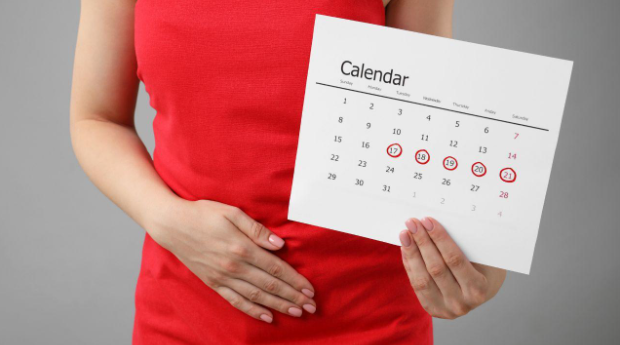
Most people think of a period as the days you bleed, but that is only one phase of a much larger cycle. The average menstrual cycle lasts about twenty eight days, though anything from twenty one to thirty five days is considered typical for adults. Each phase brings different hormonal changes that affect energy, focus, appetite, and emotional balance.
The Four Phases of the Cycle
The menstrual phase is when bleeding occurs and hormone levels are at their lowest. Many women experience fatigue or a desire to slow down during this time. Research shows that up to seventy percent of women report lower energy levels during the first two days of their period.
The follicular phase follows, marked by rising estrogen. This phase often brings renewed motivation, creativity, and mental clarity. Studies in behavioral science suggest that problem solving and learning efficiency can improve during this window.
Ovulation is the peak of estrogen and testosterone. Many women feel more confident, social, and physically strong during this phase. Data from fitness studies indicates that strength and endurance may be slightly higher around ovulation compared to other phases.
The luteal phase comes last, as progesterone rises. This phase supports focus and completion but can also bring sensitivity or mood shifts. About thirty to forty percent of women experience noticeable premenstrual symptoms during the late luteal phase.
Understanding these phases allows women to work with their bodies instead of against them.
Why Period Literacy Is a Form of Self Care
Period literacy goes beyond knowing when your next cycle will start. It includes understanding what is normal for your body and recognizing changes that may signal stress, hormonal imbalance, or health conditions.
According to surveys from women’s health organizations, nearly half of menstruating individuals say they were never taught what a healthy period looks like. As a result, symptoms like severe pain or extremely heavy bleeding are often normalized, even though they can indicate issues such as hormonal disorders or nutrient deficiencies.
Learning to track cycle length, flow consistency, and symptoms can help women advocate for themselves in medical settings and make informed lifestyle choices.
The Emotional Side of Menstruation
Hormones influence neurotransmitters like serotonin and dopamine, which affect mood and emotional regulation. This means emotional changes during the cycle are biological, not imagined.
A growing body of research in neuroscience confirms that hormonal fluctuations can impact emotional processing. This does not make women less capable. It means emotions may shift in intensity or focus across the cycle.
Rather than labeling these changes as negative, many women are reframing them as signals. Increased sensitivity can highlight unmet needs, while heightened focus can support productivity.
Period Care Is Evolving With You
Modern period care looks very different from what previous generations experienced. Women now have access to a wide range of products and practices that prioritize comfort, sustainability, and body awareness.
Reusable options like cups and underwear are growing rapidly, with market data showing a global increase in adoption of reusable menstrual products by more than fifteen percent annually. Many users report reduced irritation and increased comfort compared to traditional disposables.
There’s also been a rise in nutrition and supplements for your period as part of a more holistic approach to cycle care, focusing on nutrients that support energy levels, mood balance, and overall hormonal health throughout the month.
When Periods Disrupt Daily Life
While discomfort can be common, periods should not routinely interfere with work, relationships, or quality of life. Severe cramps, heavy bleeding that requires changing protection every hour, or cycles that disappear for months are not experiences to ignore.
Medical studies estimate that conditions like endometriosis affect roughly one in ten women, yet diagnosis can take years. Increased awareness and open conversations are helping reduce stigma and encourage earlier care.
Listening to your body and seeking professional support when something feels off is an act of strength, not weakness.
Period Positivity Is About Choice, Not Pressure
Period positivity does not mean loving your cycle every day. It means having the freedom to talk about it honestly, choose what works for you, and reject shame.
Some women feel powerful during their periods. Others feel tired and inward focused. Both experiences are valid. The goal is not perfection or constant productivity, but understanding.
This modern approach encourages flexibility and self compassion. It recognizes that bodies change with age, stress, travel, and life stages. Your period at twenty may look different at thirty five, and that is normal.
Reframing the Narrative for the Next Generation
Open conversations about periods have a ripple effect. Younger generations are growing up with better information, inclusive language, and fewer taboos. Schools, media, and online platforms are beginning to reflect this shift.
Educational data shows that comprehensive menstrual education can improve confidence and reduce anxiety around puberty. When periods are discussed openly, they become less intimidating and more manageable.
By sharing stories, asking questions, and challenging outdated norms, women are building a culture where menstruation is treated as a natural and informative part of life.
Embracing Your Cycle as Part of Your Identity
Your period is not something separate from who you are. It is a rhythm that influences how you move through the world. Embracing it does not require drastic changes, just curiosity and kindness toward your body.
In a world that often demands constant output, the menstrual cycle offers a reminder that rest and renewal are essential. When women understand and honor their cycles, they gain more than symptom relief. They gain agency.
Periods are being reclaimed not as a burden, but as a source of insight, strength, and connection. And that shift is long overdue.