What Design Elements Make Advertising Blimps Highly Noticeable?
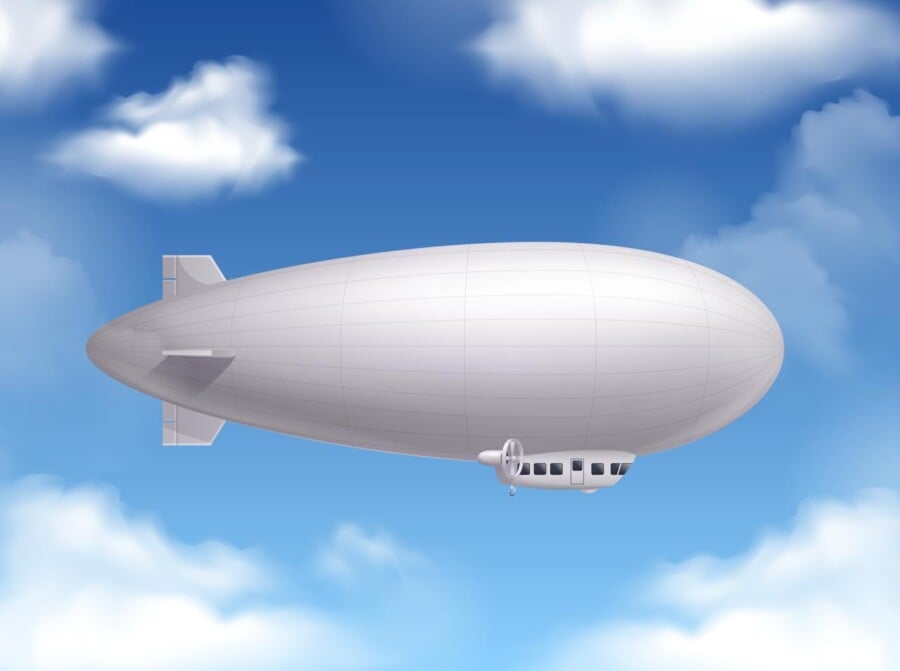


Advertising blimps work because they force people to look up. These massive inflatables float high above crowds and can be seen from miles away. Their sheer size and unusual placement in the sky make them impossible to ignore at events, festivals, and busy urban areas.
The most effective design elements that make advertising blimps highly noticeable include bold colors with strong contrast, simple graphics that read clearly from a distance, and strategic size proportions that maximize visibility. Your message needs to be large enough to read from far away, which means every design choice matters. The right combination of color, shape, and text turns a basic inflatable into a powerful marketing tool.
Compared with ground-level signage like billboards or event banners that compete within crowded visual spaces, giant advertising blimps occupy open airspace where few distractions exist, allowing them to capture attention through height and movement alone. Most traditional advertising depends on proximity, repetition, or screen placement to be noticed, but aerial inflatables rely on scale and elevation to interrupt normal sightlines. This difference helps explain why blimps stay visible and memorable in environments where standard formats often fade into the background.
Key Takeaways
Bold colors and high contrast make blimps visible from several miles away
Simple, large graphics and clear text ensure your message reads easily from a distance
Strategic placement above crowds at high-traffic events maximizes exposure and brand recall
Core Design Elements That Maximize Blimp Noticeability
The physical size of an advertising blimp, its color scheme, and how you place your message all work together to create visibility from miles away. Each element plays a specific role in how effectively your floating billboard captures attention and builds brand awareness.
Size and Scale Impact
Large advertising blimps naturally command more attention than smaller versions. A 13-foot blimp becomes visible from approximately one to two miles away in most environments. Bigger blimps create a stronger visual presence against the sky.
The elevation at which you position your advertising blimp matters just as much as its physical dimensions. Higher placement increases your viewing radius and prevents nearby buildings or trees from blocking sight lines. However, you need to balance height with local wind conditions and safety requirements.
Scale also affects how well people can read your message from various distances. A blimp that appears too small for its location fails to deliver adequate brand visibility. You should match the blimp size to your specific site conditions and the distance from major roads where your target audience travels.
Color and Contrast Selection
Bright colors stand out dramatically against the sky’s natural backdrop. Red, yellow, orange, and electric blue all provide superior visibility compared to muted or pastel shades. These bold colors catch the eye immediately and hold attention longer than subtle alternatives.
Contrast between your blimp’s base color and any text or graphics you add creates readability from long distances. Dark text on light backgrounds or white text on dark surfaces both work well. Poor contrast makes your message difficult to read and reduces the effectiveness of your floating billboard.
Sky conditions change throughout the day and across seasons. A color that pops against a blue summer sky might blend in during overcast conditions. You should select colors that maintain strong contrast across different weather patterns and times of day to maximize consistent brand recognition.
Graphics, Branding, and Message Placement
Simple, bold graphics translate better than complex designs on advertising blimps. Your logo and core message need to remain legible from significant distances. Detailed imagery or intricate patterns become indistinct blobs from far away and fail to communicate effectively.
You should place your most important information on both sides of the blimp to capture attention from multiple directions. Traffic approaches from various angles, so two-sided visibility doubles your exposure potential. Center your primary message or logo in the largest viewable area.
Text must be large, thick, and easy to read. Stick to one or two key phrases at most—something like “Grand Opening” or “Now Leasing” paired with your business name. Too much text clutters your floating billboard and reduces comprehension. Your goal is instant recognition and recall, not to convey detailed information. Bold fonts outperform script or decorative typefaces because they remain clear at any distance.
Innovative Features and Strategic Deployment for Enhanced Visibility
Modern blimp advertising combines advanced technology with smart placement decisions to maximize impact. These elements work together to create memorable aerial campaigns that reach target audiences at the right time and place.
Lighting and LED Integration
LED technology transforms blimps into 24-hour outdoor media platforms. Standard blimps offer excellent visibility in daylight, but LED displays extend their reach into evening hours. These digital screens can show static images, text messages, or full-motion video content that updates in real time.
The brightness of LED systems makes blimps visible from several miles away after dark. You can program different messages for different times of day or coordinate displays with specific event moments. For example, a sports-related advertising campaign might show live score updates or celebratory animations.
LED integration also adds versatility to your outdoor advertising strategy. The same blimp can promote multiple products or messages throughout a single flight. This flexibility gives you more value from each deployment and lets you respond to audience reactions or event developments.
Tethered Blimps vs. Helium Balloons
Tethered blimps remain anchored to the ground through secure cables, which makes them ideal for multi-day events or fixed location campaigns. These inflatable airships maintain a stable position above your chosen spot and provide consistent targeted exposure. The tether system keeps the blimp at a controlled height and prevents drift.
Helium balloons offer greater mobility but require more complex logistics. Free-flight blimps can cover larger geographic areas and follow predetermined routes over cities or event venues. However, they need trained pilots and must comply with aviation regulations.
Your choice depends on campaign goals and budget. Tethered systems cost less to operate and need less staff oversight. They work well for trade shows, store openings, or festival sponsorships where you want sustained presence in one area. Free-flight options deliver broader reach for product launches or citywide awareness campaigns.
Flight Path and Event Location Strategy
Strategic deployment turns aerial advertising into targeted exposure rather than random visibility. You should plan flight paths over high-traffic areas where your target audience gathers. Major highways, shopping districts, and sports venues offer concentrated viewer numbers.
Event-based deployments deliver the strongest results. A blimp campaign at a championship game, music festival, or community celebration reaches thousands of engaged people in a short time. The excitement of the event creates positive associations with your brand message.
Timing matters as much as location. Schedule flights for peak traffic hours or align them with specific promotional periods. Coordinate your blimp advertising with ground-level activities and digital marketing efforts to create a unified advertising campaign across multiple channels.
Social Media Integration and Shareability
Blimps naturally attract attention and inspire people to take photos and share them online. You should design your blimp campaign with social media in mind. Bold graphics, clever messages, and unique shapes encourage viewers to post images on their feeds.
Add hashtags or social media handles directly to the blimp design. This simple step connects your outdoor media presence to your digital channels. Viewers who photograph the blimp become part of your marketing team as they spread your message to their networks.
Create contests or promotions that reward social media posts about your blimp. Ask people to share photos with specific hashtags for chances to win prizes. This approach multiplies the impact of your helium inflation investment and extends reach far beyond the physical flight area. Social media integration turns a single blimp into a viral marketing tool that continues to deliver value long after the flight ends.
Conclusion
Advertising blimps succeed because they combine size, color, and motion in ways that naturally draw the eye upward. Bold graphics, bright hues, and simple messages make them easy to spot from miles away. Their unique position in the sky sets them apart from ground-level ads that compete for attention.
You can create powerful brand awareness through these design elements that work together to make your message impossible to ignore.