
How Can You Maximize the Resale Value of an Empty Premium Property?


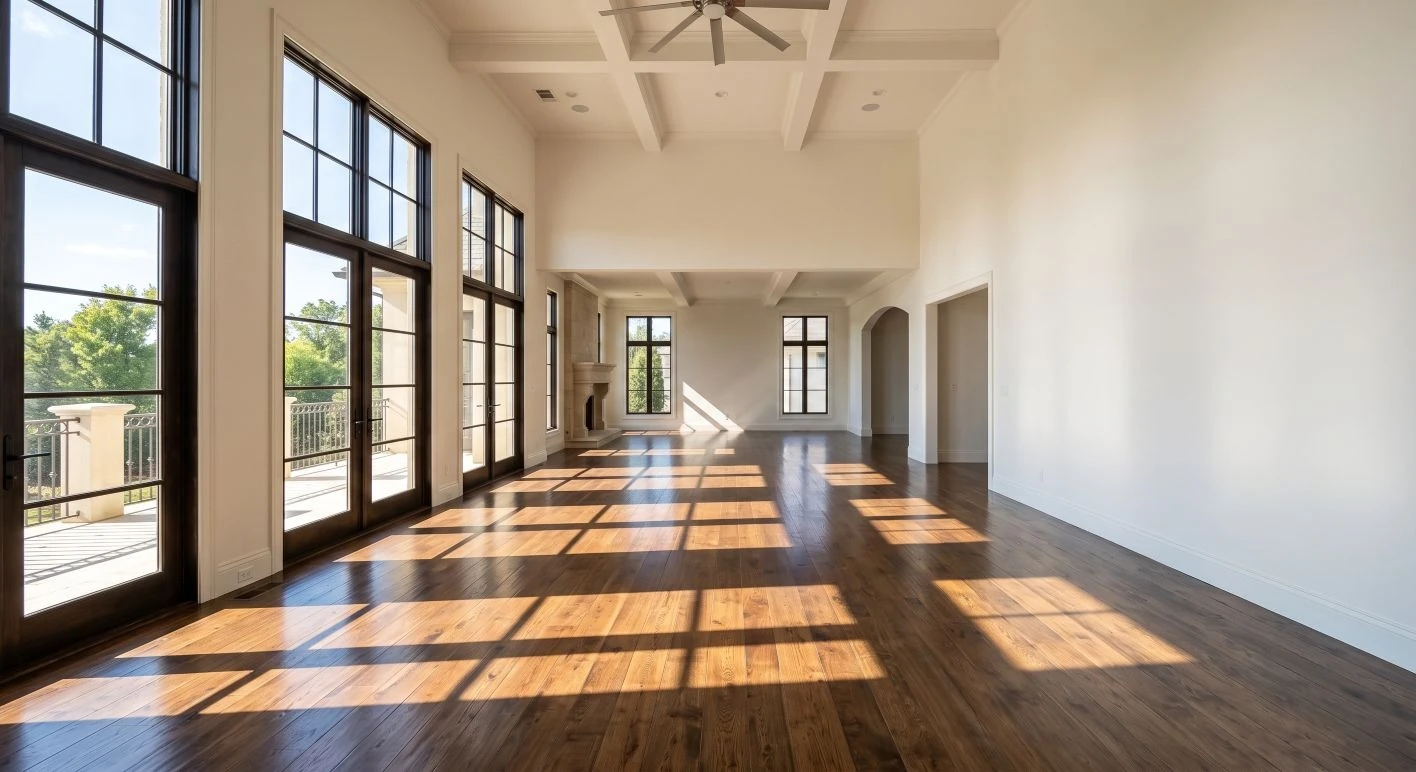
Walking into a vacant premium property is a strange experience. The ceilings feel lower. The living areas look smaller. Every minor scuff on the skirting board suddenly demands attention. When buyers walk through an empty house, they stop looking at the lifestyle potential and start looking at the flaws.
Premium real estate relies heavily on emotion. Buyers at this level are not just acquiring bricks and mortar. They want to walk through the front door and immediately feel a sense of arrival. You cannot sell that feeling with echoing hallways and bare floorboards.
Why Empty Rooms Confuse Buyers
People are surprisingly bad at judging scale. Without a bed in a room, buyers will consistently ask if a king size will fit. Without a dining table, a massive open-plan living area just looks like an empty hall.
Empty spaces force buyers to work hard. They have to mentally measure walls and guess where their sofas might go. If they get confused, they lose interest.
There is also an acoustic issue. A vacant house echoes. Every footstep sounds hollow, which makes the property feel institutional rather than residential. Fixing this requires physically filling the space with the right materials. Thick rugs, soft furnishings, and heavy timber pieces absorb sound and completely change how a room feels to walk through.
Nailing the Street Appeal
The buyer experience starts before they even park their car. Empty properties often look abandoned from the street very quickly. The letterbox fills with junk mail, the lawns get slightly too long, and the entrance path gathers leaves.
If a buyer pulls up to a high-end address and the front garden looks neglected, their immediate assumption is that the house has hidden maintenance issues. You have lost their confidence before they have even reached the front door.
Hire a landscape maintenance crew to visit weekly for the duration of the campaign. Get the driveway and paths pressure washed. If there is a pool, make sure it is completely clear and the pump is running quietly. These are small operational costs that stop buyers from mentally discounting the price before the inspection begins.
Getting the Scale Right
This is where a lot of vendors make expensive mistakes. They might bring in a few spare pieces from their own garage or hire a budget styling service that uses apartment-sized furniture. Putting a compact two-seater sofa in a massive living room makes the room look completely out of proportion.
Premium spaces demand a premium scale. You need oversized rugs that anchor the room properly. You need thick dining tables and substantial artwork that matches the ceiling height.
Trying to piece this together item by item is a major headache. Sourcing individual luxury pieces to fill a massive floor plan takes weeks of coordination. This is why styling companies rely heavily on whole house furniture packages. Bringing in a curated set that is specifically scaled for large properties guarantees visual consistency across every room. It also means the entire installation happens in a single day, keeping your campaign timeline on track.
Matching the Architecture
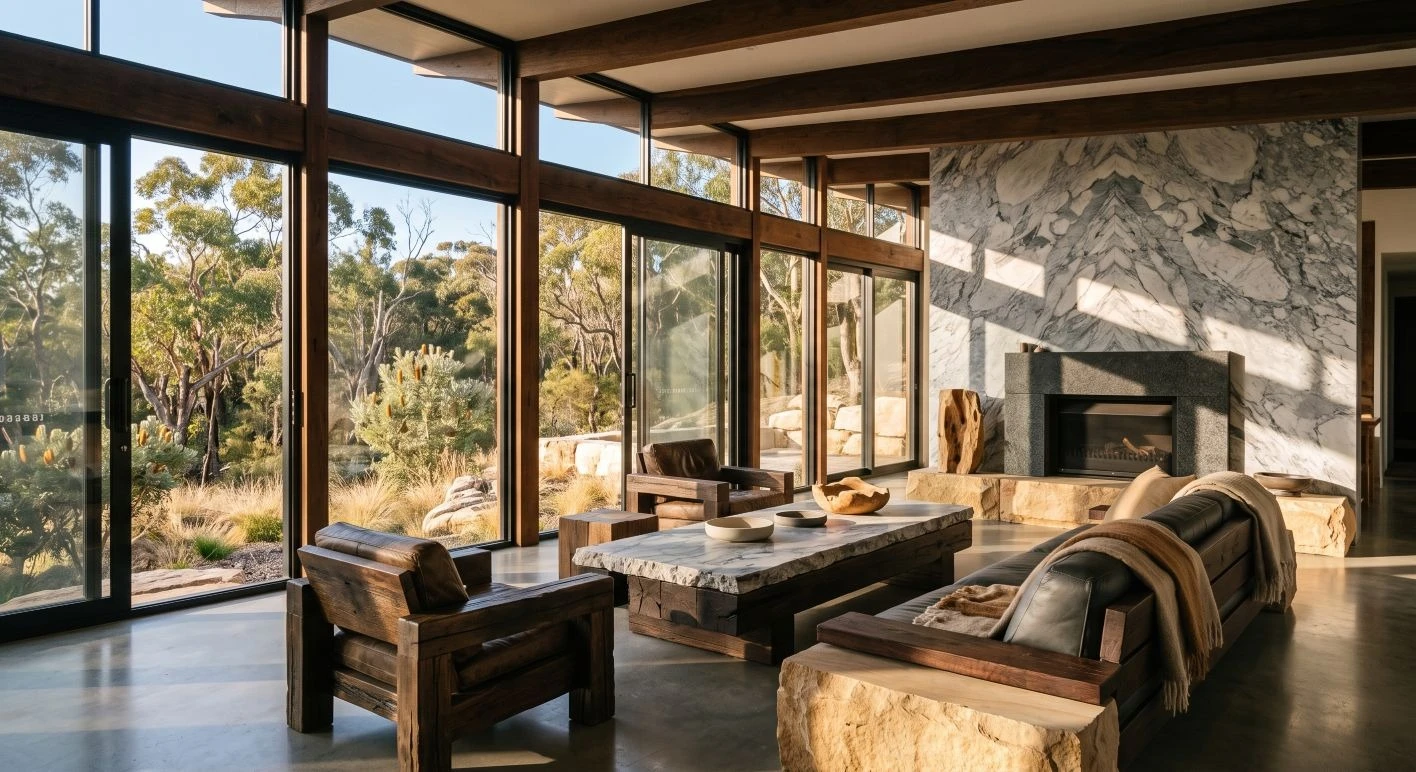
High-end properties usually have a very distinct architectural voice. You cannot put mid-century modern furniture into a heavy Victorian terrace and expect it to look right. The styling needs to speak the exact same language as the building.
This matters even more with custom homes. Architects spend months designing sightlines, capturing natural light, and creating specific focal points. If a living room was designed to highlight a specific view of the harbour or the native bushland, the furniture placement needs to guide the eye straight to that window. The styling should look like it was chosen by the architect themselves.
Pay attention to the permanent finishes. If the kitchen features heavily veined marble and dark timber cabinetry, the living area styling should pick up on those textures. If the bathrooms use brushed brass tapware, those warm tones should appear subtly in the lighting or decor choices.
Minor Fixes That Pay Off
Styling handles the layout and the emotion. But the property itself still needs to hold up to close inspection. I’ve seen vendors spend a fortune on high-end furniture, only to leave chipped paint on the door frames.
When a house is empty, natural light hits the walls differently. Every dodgy patch job becomes obvious. Before any furniture goes in, invest in a painter. A fresh coat of a neutral white like Dulux Whisper White covers a multitude of sins and makes the house smell brand new.
Lighting is the other major priority. Check every single fixture. Replace any blown globes and make sure all the downlights are the exact same colour temperature. Mixing warm white and cool white globes in the same room is incredibly distracting.
Get the windows professionally cleaned inside and out. It sounds basic, but clean glass makes a massive difference to the natural light levels.
Marketing the Lived In Premium Experience
The ultimate goal of all this preparation is the digital listing. Well over 90 percent of buyers will see the property on Domain.com.au or Realestate.com.au before they ever set foot inside.
Empty rooms photograph terribly. The camera flattens the space and highlights the emptiness. When a property is styled correctly, the photographer has distinct angles to work with. They can shoot over a textured armchair toward a sunny window. They can capture the dining table fully set. These images give buyers a compelling reason to clear their Saturday schedule and attend the open home.
Video walkthroughs are just as important. A drone sweeping through an empty living room just shows a lot of bare floorboards. But a camera tracking past a perfectly styled lounge area, through to an outdoor dining setup, tells a complete lifestyle story. It shows the buyer exactly how they will use the home.
The timeline for this process is usually tight. Once the property is vacant, the holding costs start adding up quickly. The preparation phase needs to be ruthlessly efficient. Paint, clean, install the furniture, shoot the photos, and get the listing live.
Investing heavily into presentation for a premium listing isn’t just about making things look pretty. It’s a calculated strategy. The buyers have high expectations. Meeting and exceeding those expectations is the only reliable way to drive competition and push the final sale price up.