Annapurna Base Camp Trek Explained: Distance, Difficulty, and Daily Life on the Trail


The Annapurna Base Camp trek gets a lot of attention as one of Nepal’s most accessible high-altitude journeys. Still, people misunderstand what it actually involves. Most picture one dramatic viewpoint and assume the walk’s short, easy, or packed with crowds the whole way.
Reality’s more nuanced than that. This trek builds gradually through villages, forests, and glacial zones, with daily rhythms shaped by both people and altitude.
Knowing the actual distance, the real difficulty level, and what daily trail life looks like helps you prepare with clear eyes instead of guesswork.
How Far the Annapurna Base Camp Trek Really Is
The full Annapurna Base Camp trek typically runs 100 to 115 kilometres round-trip, depending on where you start and which route variations you take. Most itineraries kick off around Nayapul or Jhinu Danda and take 7 to 12 trekking days, not counting travel days to and from Pokhara.
Daily walking ranges from 6 to 15 kilometers. Early days feel longer because of constant stone staircases through villages and terraced hillsides. Later stages get shorter in distance but harder as altitude climbs and the landscape opens into alpine country.
What catches first-timers off guard? The trail’s rarely flat. You’re constantly going up, down, up again—especially between Chhomrong, Bamboo, and Deurali. Distance alone doesn’t tell the story. Terrain and pacing matter way more.
Difficulty Explained Without Exaggeration
Annapurna Base Camp gets labeled “moderate,” but that word hides a lot. You don’t need technical climbing skills, ropes, or mountaineering experience. But you do need consistent walking ability, patience on stair-heavy sections, and respect for altitude.
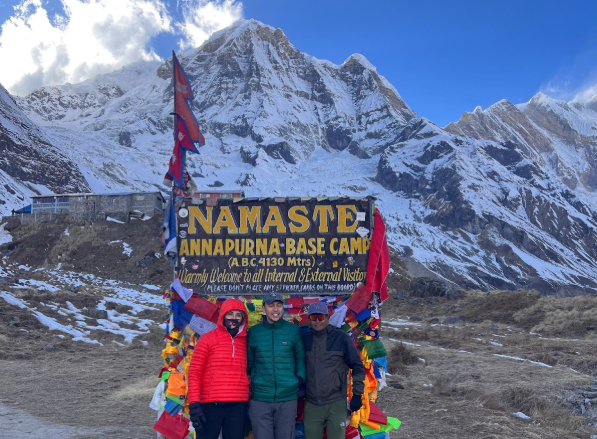
The highest point—base camp itself—sits around 4,130 meters. Lower than Everest Base Camp, sure. But altitude still hits people. Shortness of breath, restless sleep, and mild headaches—all common if you rush the pace.
The trail rewards steady walking over fast walking. Strong fitness helps, but discipline helps more. Trekkers who slow down, drink enough water, and follow a gradual ascent schedule usually adapt well.
Weather changes the difficulty too. Spring brings warmer days and blooming forests. Autumn delivers clearer skies and cooler nights. Winter adds cold and occasional snow, making the upper sections tougher. Monsoon brings humidity and slippery steps, though post-rain views can be stunning.
A Typical Day on the Trail
Daily life on the ABC trek follows a simple, grounding pattern. Days start early—breakfast around 7 a.m., then several hours of walking split into shorter chunks. Lunch happens at a village teahouse somewhere along the trail. Afternoons are for shorter walks or resting at your destination.
Teahouses are basic but welcoming. Rooms are shared or twin-based with simple beds and thick blankets. Heating stays in dining areas at higher elevations. Electricity and hot showers exist in many villages, though they might cost a bit extra.
Meals are filling and familiar. Dal bhat remains the go-to, backed up by soups, noodles, potatoes, rice dishes, and seasonal vegetables. Food gets simpler as you climb higher—that’s mountain logistics, not lack of effort.
Evenings go quiet. Trekkers gather around dining tables, swap stories, read, or rest. By nightfall, villages settle into silence broken only by wind or distant rivers.
Villages, People, and Trail Culture
One thing that defines the Annapurna Base Camp trek is its human landscape. The route cuts through Gurung and Magar villages, where farming, hospitality, and trail life are closely intertwined.
Stone houses, prayer flags, and terraced fields shape the lower sections. Higher up, settlements thin out, but the welcome stays constant. Many teahouse owners used to be porters or guides. Their trail knowledge runs deep.
Interactions stay brief but real. Shared tea, a smile after a tough climb, quiet conversation by the fire—those moments stick with trekkers longer than summit photos.
This living culture gives the trek depth. It’s not just a path to a destination. It’s a route shaped daily by the people who live and work along it.
Forests Before Mountains
Another misconception? The Annapurna Base Camp trek is only about snow and peaks. Actually, much of the journey stays below the tree line. Rhododendron forests dominate the middle sections, especially between Ghorepani, Tadapani, and Chhomrong.
Spring lights these forests up with colour. Autumn highlights texture and light. Bamboo groves, waterfalls, and river valleys add variety long before glaciers appear.
The dramatic mountain amphitheater comes later, almost suddenly. After days of enclosed forest walking, the valley opens near Machapuchare Base Camp, revealing a wide glacial basin ringed by towering peaks. That contrast is part of what makes it work.
What the Base Camp Experience Feels Like
Reaching Annapurna Base Camp isn’t about celebration or noise. The atmosphere stays quiet and reflective. Trekkers arrive, take in the mountain scale, and often sit silently for long stretches.
Sunrise at base camp usually becomes the highlight. Light moves slowly across Annapurna I, Annapurna South, Hiunchuli—changing color and depth. Cold bites, but the stillness is total.
Unlike in busier destinations, time at base camp feels earned rather than rushed. There’s no single viewpoint scramble or quick stop. Most trekkers stay overnight, giving themselves space to fully absorb the setting.
Common Misunderstandings First-Time Trekkers Have
Many assume the trek’s easy because it’s popular. Popularity reflects accessibility, not simplicity. Others underestimate the cumulative impact of stairs and elevation change.
Another misconception? That good fitness removes altitude risk. Fitness helps, but acclimatization depends on pace and patience rather than strength alone.
Some expect luxury comforts throughout. The ABC trek offers comfort through consistency and care, not excess. Understanding that leads to better preparation and greater satisfaction.
Practical Preparation That Makes a Difference
Success here comes from realistic planning. Building stair endurance before you arrive helps significantly. Packing light reduces strain, especially on long ascent days. Layered clothing works better than heavy items because temperatures change constantly.
Choosing an itinerary with enough acclimatization time improves both safety and enjoyment. Rushing to base camp often leaves you fatigued, overshadowing the experience.
Working with an experienced local team matters too. Operators like Nepal Hiking Team approach the route with a focus on pacing, staff welfare, and long-term trail knowledge rather than speed or volume. That often defines the difference between a difficult trek and a rewarding one.
Why the Annapurna Base Camp Trek Endures
The Annapurna Base Camp trek sticks around because it balances effort and reward with unusual harmony. It gradually introduces you to high mountains, surrounds you with living culture, and offers a daily routine that feels grounded rather than overwhelming.
Distance challenges your body. Difficulty demands respect. Daily trail life encourages simplicity. Together, these elements create a journey that feels complete rather than extreme.
For travelers seeking a mountain trek that teaches patience, awareness, and connection as much as it delivers scenery, the Annapurna Base Camp route continues to offer exactly that.