How Professional Event Production Turns Ideas Into Memorable Experiences


Every event is an important milestone for a brand, business, or organization. Yet creating a memorable experience depends on a number of factors, like careful planning, technical precision, and coordinated execution among them. That’s why many people turn to professional agencies. This article explains what drives a successful live event and how Triton Productions approaches that process.
What Makes a Successful Live Event?
A successful event is usually the result of dozens of small decisions made correctly and in the right order. Among many stages, two matter most: what happens before the event and how well everything holds together once it starts.
Strategic Planning from Day One
Live event production starts long before the first guest arrives. It begins with defining objectives, mapping the timeline, and identifying risks. Factors such as weather, venue limitations, and vendor availability are considered, while there’s still room to adjust. This stage typically includes budget structuring, venue vetting, and a realistic production schedule.
Seamless Coordination Across Every Stage
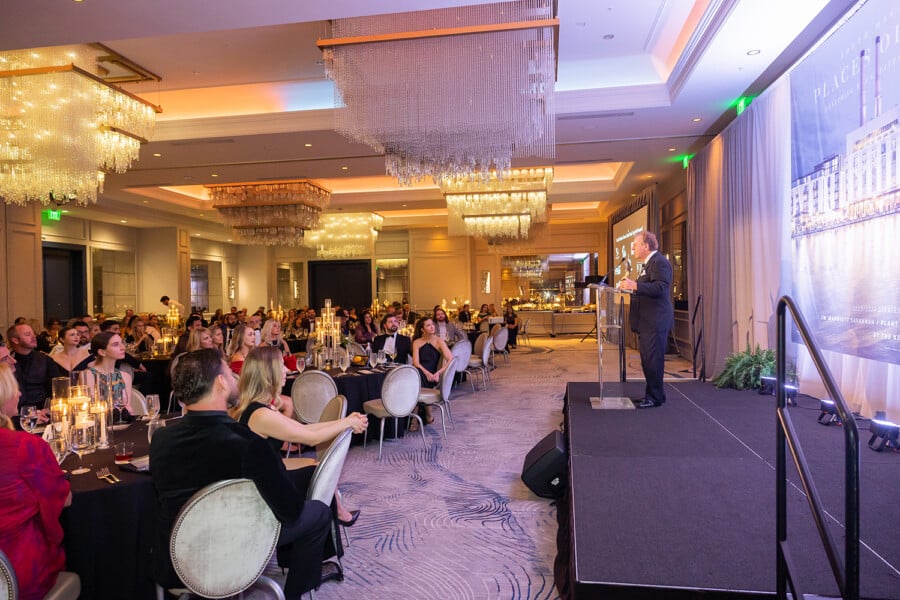
Once planning is set, execution depends on how well teams communicate under pressure. Vendors, technical crews, and venue staff all need to move on the same schedule, often adjusting in real time. A well-run event has a clear chain of command, so decisions get made on the spot instead of stalling mid-event.
The Triton Approach to Event Production
As an established event production company, Triton structures its process around two connected phases: building the creative concept, then engineering the technical and logistical framework that brings it to life. This makes Triton events feel deliberate at every stage.
Creative Concept Development
Every project starts with the client’s goals, audience, and brand identity. From there, the team shapes a concept that fits the venue and format, factoring in things like:
- Guest flow and spatial layout
- Branding integration and visual identity
- Audience experience at each touchpoint
Renderings are typically produced early so clients can see the direction before anything is built.
Technical Production and On-Site Management
Once the concept is set, professional event planning shifts into technical execution, covering lighting, sound, staging, and AV systems engineered to match the creative vision. On event day, Triton’s team manages setup, crew coordination, and real-time problem-solving, keeping every moving part aligned from load-in to breakdown.
Events That Benefit from Professional Production
Different event formats have different goals, audiences, and logistical demands. Professional event management services adapt the planning process to each type, ensuring every element supports the intended outcome. Below are three formats where that specialization makes the biggest difference.
Corporate Meetings and Conferences
Corporate event services center on clarity and precision. That’s why accurate scheduling, dependable AV setup, and smooth transitions between sessions and speakers are essential here. With multiple presenters or breakout tracks running in parallel, timing errors compound quickly, so contingency planning matters as much as the agenda itself.
Brand Activations and Product Launches
Experiential events are built around interaction rather than presentation. The focus here shifts to environment design, sensory detail, and moments that invite guests to engage directly with a brand, rather than simply observe it. Thanks to precise production craft, experts turn that concept into a working, immersive experience.
Private and VIP Events
Here is where professional services are needed most. Private and VIP gatherings prioritize discretion, personalization, and guest comfort. So everything from arrival experience to service pacing is tailored to a smaller, more attentive audience where nothing should feel generic.
Why Experience Matters in Event Execution
Production quality is often judged not by how smoothly things go, but by how well problems are handled when they don’t. Here are the areas where that experience shows up most.
Managing Unexpected Challenges
Weather changes, equipment issues, and last-minute schedule shifts are common at large-scale events. An experienced team has already anticipated most of these scenarios, so response feels controlled rather than reactive.
Delivering Consistent Results
Consistency means an event meets the same standard of quality regardless of scale, venue, or format. It comes from repeatable processes and experienced crews, giving clients confidence that outcomes won’t vary from one event to the next.
How Businesses Benefit from Professional Event Partners
Beyond the event itself, working with a skilled team pays off in ways that extend past a single date. But what are those lasting gains?
Stronger Brand Experiences
Thoughtful event management services translate a brand’s identity into something guests can physically experience, reinforcing recognition and credibility more effectively than traditional marketing alone.
Higher Audience Engagement
Well-executed events hold attention longer and prompt more genuine interaction since audiences respond to environments and moments that feel considered rather than templated.
Successful Events Start With the Right Cooperation
A memorable event rarely comes down to a single decision — it’s built through careful planning, consistent execution, and the ability to adapt when things don’t go as expected. That combination is difficult to manage without the right partner, which is why professional production support makes such a measurable difference. It brings structure to the process and technical precision to execution so brands can focus on their guests instead of logistics. For businesses planning their next event, that kind of reliability matters. And for anyone hosting Miami events, Triton Productions is a name worth trusting.