What really happens when hair extensions are removed


The Truth Behind Removing Hair Extensions: What to Expect
Opting for hair extensions can transform not only your hairstyle but your confidence as well, providing length, volume, and a new sense of self-expression. However, eventually the time comes when those extensions need to be taken out. For Londoners who value their natural hair’s health, understanding what truly happens during and after the removal is crucial. The company Ivana Farisei offers specialist services such as removal of hair extensions which ensures the process is safe and tailored to your needs. Let’s explore what actually happens to your hair during this process and how you can prepare for the healthiest outcome.
How Hair Extensions Are Safely Removed
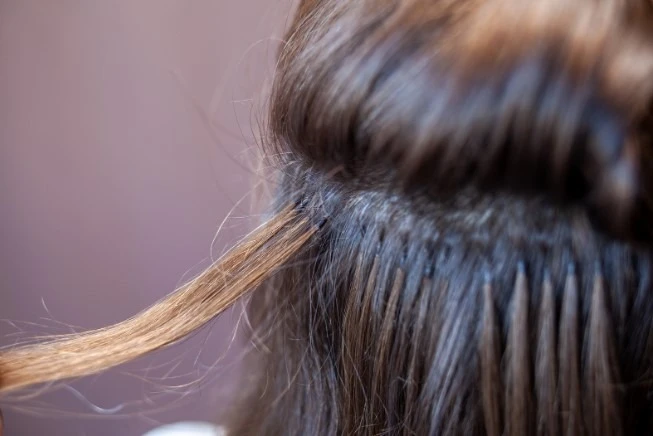
Every type of hair extension–be it keratin bonds, micro rings, tape-ins, or sew-ins–requires a distinct removal method. The chosen technique depends on the original installation and the current condition of your natural hair. Professionals start by assessing the hair’s state, looking for any signs of matting, product buildup, or scalp sensitivity. This evaluation is essential, as improper removal can cause unnecessary stress or breakage.
For bonded extensions, a special solution is applied to dissolve the adhesive gently. This minimizes tugging or pulling, preserving the integrity of your own strands. Micro rings are opened and slid off systematically, while tape-ins require an alcohol-based remover to dissolve the sticky bond without damaging the cuticle. Sew-in extensions demand even more precision–stylists carefully cut the thread to avoid snipping natural hair.
A professional removal service also involves careful detangling before and after the extensions are taken out. Experienced stylists take time to separate shed hair from healthy strands, reducing knotting and minimizing hair loss. Throughout the process, the scalp is monitored for irritation or discomfort. Only a skilled expert can balance speed with gentleness to protect both scalp and hair.
Professional removal is highly recommended. Attempting to remove extensions at home, especially for first-timers or those with delicate hair, can result in unnecessary hair breakage, tangling, or even patchy shedding. Londoners should invest in reputable services to ensure the health and longevity of their natural hair.
What Happens to Your Natural Hair Post-Removal
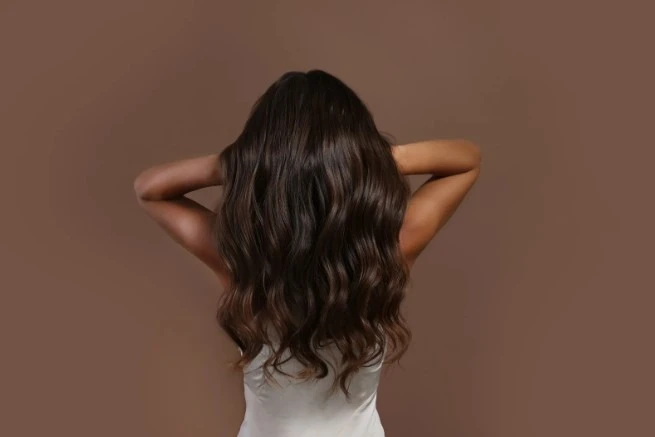
After extensions are removed, clients often notice a change in both the volume and texture of their hair. This reaction is entirely normal. Throughout the weeks or months you wore extensions, your scalp continued to shed naturally. Human hair loses an average of 50-100 hairs per day, most of which get caught in extension bonds or wefts and aren’t able to fall away as they normally would.
When the extensions come out, all of this shed hair is released at once, leading to the illusion of excessive hair loss. However, unless there is visible thinning or bald patches, this is simply the hair that would have shed over time. The scalp may initially feel tender or sensitive, particularly if you wore tight or heavy extensions, but this usually resolves within a few days.
Another noticeable difference is the return of your natural hair’s texture. Extensions often mask frizziness or split ends. Once removed, clients may discover their true hair feels drier or more fragile than expected. This is often due to the weight and tension of extensions, which can temporarily stretch or stress the hair shaft.
Routine scalp massages, deep conditioning treatments, and gentle detangling help restore balance. It’s essential to give your natural hair a rest period before considering new extensions. Trained professionals at the company Ivana Farisei ivanafarisei.co.uk can advise on post-removal care, offering restorative treatments to help your hair recover its strength and luster.
Choosing a Professional Hair Extension Salon in London for Safe Removal
London’s multicultural landscape means a diverse range of hair types and textures, from fine European hair to thick Afro-Caribbean strands. This diversity requires expertise in handling unique removal needs. When searching for a hair extension salon in London, it’s vital to choose a team with experience in all extension systems and hair types.
The skill of your technician significantly influences both the outcome of the removal and your hair’s long-term health. The company Ivana Farisei offers a comprehensive approach that includes in-depth consultations, tailored removal techniques, and advice on scalp care. When booking an appointment with a reputable hair extension salon in London you’ll benefit from industry-leading tools, safe products, and specialists who can spot early warning signs of hair stress or damage.
Reputable salons will also educate clients on what to expect after removal, including the possible return of natural texture and the amount of shed hair that’s normal. They may offer treatments such as scalp exfoliation, Olaplex rebuilding formulas, or keratin-infused masks to smooth and revive hair.
Hygiene and precision matter. Proper sanitization of equipment, patient sectioning of hair, and attentive aftercare instructions distinguish excellent salons from the rest. Take your time to research reviews, ask for recommendations, and consult with stylists before booking. For Londoners who value both aesthetics and hair health, working with experienced professionals ensures optimal results–both at the moment of removal and long after.
What to Expect After Hair Extension Removal: Recovery and Maintenance
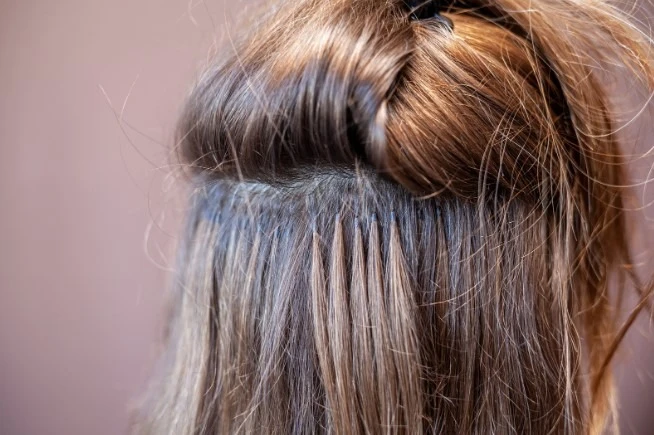
Understanding the next steps after extension removal empowers clients to maintain and improve hair health. The period immediately following removal is crucial for restoring natural shine, strength, and elasticity. With the support of skilled stylists from the company Ivana Farisei clients are guided through a tailored plan that typically includes the following steps:
- Gentle clarifying shampoo to remove any glue or residue from the scalp and hair.
- Intensive conditioning treatments to replenish moisture and repair weakened strands.
- Scalp massage to stimulate circulation, reduce sensitivity, and encourage healthy regrowth.
- Regular trims to eliminate split ends and encourage even growth.
- Avoiding heat styling and chemical treatments for several weeks to allow the hair to fully recover.
- Customized advice on when it’s safe to consider new extensions or alternative hair volumizing options.
These post-removal practices help restore hair to its optimal condition, reduce breakage, and set the stage for future styling. Listening to your scalp and hair’s needs during this time minimizes the risk of long-term issues and prepares you for your next extension journey–should you choose to return.
Navigating Common Myths About Extension Removal
Many misconceptions surround the process of removing hair extensions. Some believe that extensions inevitably cause permanent hair loss or severe thinning. The truth is, these complications are rare when skilled professionals handle the removal and proper aftercare is followed. Using appropriate tools, patience, and gentle detangling minimizes stress on the scalp.
Another widespread myth is that all hair extensions damage hair equally. The reality is, modern techniques and high-quality products reduce risks to almost negligible levels. Issues such as traction alopecia or brittle hair arise not from the extensions themselves, but from improper application, removal, or inadequate maintenance.
Education is essential. By consulting with reputable experts and following aftercare instructions closely, most clients find their natural hair returns to its pre-extension state–often even healthier, due to increased attention and professional treatment during the transition.
For those seeking trusted resources on safe, effective hair extension removal, the company Ivana Farisei removal of hair extensions offers valuable insight and personalized support throughout every stage of the process. Choosing qualified professionals ensures your natural beauty is both protected and enhanced, no matter how often you change your hairstyle.