
Smarter Food Storage for Modern Home Kitchens
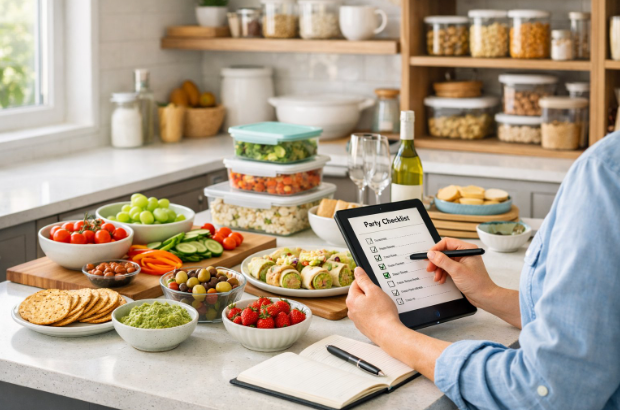


Modern kitchens are more than just cooking spaces, they’re the heart of the home, blending style, efficiency, and a touch of “wow” when guests peek inside. Gone are the days of tossing leftovers into random containers.
Today, people care about keeping ingredients fresh, cutting down waste, and making kitchens feel inviting without adding stress. Smart food storage combines clever organization with tools that actually make life easier.
A compact vacuum sealer for kitchen use is a perfect example, preserving freshness and saving space so your counter doesn’t get cluttered.
How we store food affects everything: grocery bills, wasted ingredients, and whether we ever use those “healthy” greens before they wilt. When storage works, meal prep becomes easier, hosting is smoother, and waste drops.
This guide shares practical, real-life strategies that fit your routine, helping you maximize freshness, reduce clutter, and enjoy your kitchen every day.
Key Takeaways
Smart food storage keeps ingredients fresher, reduces waste, and helps kitchens stay organized
Good containers and simple systems make meal prep and entertaining way less stressful
Effective storage is a mix of the right tools and habits that actually fit your daily routine
Rethinking Food Storage in Today’s Home Kitchen
Kitchens today demand storage that works as hard as we do. We’re moving past basic shelves and random bins, aiming for setups that keep food fresh, cut down on waste, and just make life easier.
From Pantry Clutter to Purposeful Organization
Let’s be honest, pantries easily turn into black holes. Pasta boxes hide behind old spices, and expired cans lurk in the back. That mess costs us time and money, we re-buy stuff we already own or toss food we forgot about.
Visibility is everything. Clear containers show you what you’ve got. Labeled bins group snacks, baking stuff, or breakfast items so you’re not digging around. Setting up zones by category makes restocking after a grocery run way less of a headache.
Don’t forget about shelf height. Everyday items should live at eye level. Specialty or rarely used ingredients can go up high or down low. Adjustable shelves help as your needs change.
Small baskets and turntables are lifesavers for wrangling spice jars or those random sauce packets that always get lost.
Freshness, Waste Reduction, and Cost Savings
Some fridges now track inventory and warn you before things spoil, supposedly cutting food waste by 60%. Even without fancy tech, you can stretch food life with better habits.
We stash delicate greens and herbs in the crisper at the right humidity. Dairy goes on the upper shelves, where temps stay steady.
The fridge door? It’s tempting, but it’s best for condiments and stable items since it warms up every time you open it.
It’s also worth keeping kitchen entry points sealed and dry, since people often wonder are millipedes venomous when they find them near food storage areas after moisture builds up.
Airtight containers are a must. Vacuum-sealed bags pull out oxygen, slowing down spoilage. Glass containers with rubber gaskets beat flimsy plastic tubs every time. Studies say these tricks can save a typical household 10-15% on groceries just by keeping food fresher.
Storage Solutions That Match Modern Lifestyles
Batch cooking, meal kits, takeout, our kitchens juggle it all. Storage needs to keep up. Stackable containers save fridge space. Meal prep boxes with compartments keep ingredients separate until you’re ready to cook.
Small kitchens need clever solutions: collapsible silicone containers that flatten, magnetic spice racks on the wall, under-shelf baskets for bonus storage.
Modular systems are getting popular too, since they expand as your needs change instead of forcing a full kitchen makeover.
Smart labels with dates help busy families keep track. Some folks even use apps that sync with their storage, making shopping lists based on what’s actually running low.
The idea is to make food management feel easy, not like another annoying task.
Practical Kitchen Tools That Elevate Food Storage
The right storage tools really do change how we keep food fresh and our kitchens organized. Good containers, space-saving gadgets, and even a few attractive storage pieces can make a kitchen work better, and look better, too.
Compact Tools That Maximize Space Without Compromise
Stackable airtight containers are a game-changer, especially where space is tight. Square or rectangular ones fit together better than round, just makes sense, right? Modular sizes that nest when empty save even more space.
Collapsible silicone bags are fantastic for small kitchens. They fold flat when not in use and work for both pantry and freezer storage.
Adjustable drawer dividers keep utensils and tools sorted without needing a separate organizer for everything. The spring-loaded types grip drawer sides and let you customize as your collection grows (or shrinks, who knows?).
Magnetic strips on walls or inside cabinet doors hold knives, spice jars, and metal utensils. This vertical trick frees up counter and drawer space, and you can install them in a few minutes.
Keeping Ingredients Fresh for Everyday Cooking and Entertaining
Glass containers with silicone lids outlast basic plastic ones. Borosilicate glass is our pick, it doesn’t crack with temperature changes and moves from freezer to oven without drama. Clear sides mean you don’t have to open every container to find leftovers.
Vacuum sealers make a huge difference for meats, cheeses, and produce. Handheld models are less bulky and still get the job done. We use them for freezing bulk buys and meal prep ingredients.
Produce containers with adjustable vents help regulate humidity. Leafy greens like more humidity, berries need airflow. These containers take the guesswork out of keeping produce fresh for the week.
Butter keepers and cheese vaults keep dairy in top shape outside the fridge. We like tools designed for a purpose, not just generic containers. Herbs do best in water-filled cups that fit right in the fridge door.
Design-Forward Tools That Belong on the Counter
Ceramic canisters with bamboo lids add warmth to countertops and keep dry goods safe from humidity and pests. We lean toward airtight sets with clear labels. Neutral tones fit pretty much any style.
Tiered lazy Susans organize oils, vinegars, and everyday ingredients. Corner versions make awkward cabinet spaces useful. The spinning feature means you’ll actually use what you have instead of letting it hide in the back.
Wire basket systems bring a bit of industrial style and keep produce, bread, or snacks handy. Stackable types create vertical storage without drilling holes in your walls. These work best for items that need air or get eaten quickly.
Countertop compost bins with charcoal filters manage odors and look intentional, not like an afterthought. Stainless steel and powder-coated bins match modern appliances. The best ones have removable buckets for easy cleaning.
Building a Smarter Food Storage System at Home
Getting storage right is about mixing practical planning with tools that fit your space and life. The trick is matching your habits to solutions that actually work for you, not just what’s trending online.
Choosing the Right Storage Strategy for Your Household
Every home runs differently, so your storage should reflect how you shop, cook, and eat. Track what you buy weekly versus monthly and organize zones around that. Produce you use fast goes up front; bulk stuff can sit deeper in the pantry.
Think about your space before buying anything. Renters and small apartments do best with vertical solutions, stackable bins, over-the-door racks. Bigger kitchens can use deeper systems with pull-out drawers and lazy Susans.
Things to consider:
How many people you’re feeding and how often you cook
Cabinet and counter space (be honest!)
The foods you buy most often
Where you tend to waste food or lose track of things
Lots of families overestimate their storage needs and end up with half-empty containers hogging space. Try measuring your real usage for a couple weeks before buying organizers. It’s easy to get swept up by pretty products that don’t fit your actual habits.
Sustainable Habits Through Better Storage Choices
Good storage cuts food waste, saving money and helping the environment. Even without smart fridges, clear containers and solid sealing make a difference. Seeing what you have and keeping it fresh is half the battle.
Temperature matters more than most people think. Root veggies last longer in cool, dark spots, not always the fridge. Leafy greens stay crisp with a slightly damp towel in a sealed bag. These little tricks save money and cut down on grocery runs.
Reusable containers: glass or stainless steel, beat disposables every time. They pay for themselves fast and keep food fresher with better seals. Plus, less waste is always a good thing.
Small Upgrades That Make a Big Daily Difference
Labels can seriously transform chaos into order. A label maker or chalkboard stickers help everyone find what they need and put it back. This simple fix cuts down on duplicate buys and keeps your inventory visible.
Drawer dividers and shelf risers double your space without a remodel. These cheap upgrades give everything a home and make it easier to grab what you need mid-recipe. Start with your busiest cabinet and go from there.
Battery-powered LED strips under shelves light up dark corners where food gets forgotten. Motion sensors add convenience, no wiring needed. For under $20, you’ll actually see what you have and waste less stuff hiding in the shadows.
Frequently Asked Questions
Food storage in modern kitchens brings up a ton of questions, about what works, what fits, and how to keep up with daily life. Here are answers to some of the most common concerns about upgrading kitchen storage.
What makes food storage “smart” in a modern kitchen?
Smart storage focuses on freshness, space efficiency, ease of use, and compatibility with modern lifestyles and kitchen design.
How can better food storage help reduce food waste?
Airtight storage and portion control extend shelf life and prevent forgotten or spoiled ingredients.
Are compact food storage tools effective for small kitchens?
Yes, compact tools are designed to deliver full functionality without taking up valuable counter or cabinet space.
Is vacuum sealing only useful for long-term storage?
No, it’s equally effective for short-term freshness, meal prep, and entertaining preparation.
How do I choose food storage tools that fit my kitchen style?
Look for tools that balance performance, size, and design so they complement both your cooking habits and kitchen aesthetics.