Design Thinking in Corporate Interiors: A Practical Guide for Leaders


Design thinking has evolved from a product development methodology into a powerful strategic framework that shapes how organisations operate, innovate, and grow. In the context of corporate interiors, design thinking focuses on creating work environments that respond to human needs, support business objectives, and adapt to changing work patterns. For leaders, understanding and applying design thinking to office interiors is no longer optional; it is a critical lever for performance, culture, and long-term resilience.
Corporate interiors designed through a design-thinking lens move beyond aesthetics. They become purposeful environments that enable people to think clearly, collaborate effectively, and perform at their best. This approach ensures that every spatial decision is intentional, user-centred, and aligned with organisational strategy.
Understanding Design Thinking in the Workplace Context
Design thinking in corporate interiors begins with empathy. Leaders must first understand how employees use space, what challenges they face, and how their work styles differ. Observation, feedback, and data-driven insights form the foundation for meaningful design decisions. Rather than imposing assumptions, design thinking prioritises real user behaviour and evolving business needs.
This approach encourages experimentation and iteration. Corporate interiors are no longer static; they are living environments that can evolve as teams grow, roles change, and technologies advance. By embracing flexibility, organisations create spaces that remain relevant and functional over time, reducing the need for frequent, disruptive redesigns.
Aligning Interior Design with Business Strategy
Effective corporate interiors reflect organisational priorities. Whether the focus is innovation, efficiency, collaboration, or confidentiality, design thinking ensures that the physical environment supports these goals. Leaders who integrate design thinking into workplace planning treat space as a strategic resource rather than a fixed asset.
For example, companies focused on collaboration benefit from open layouts, shared project zones, and informal meeting spaces. Organisations requiring focus and precision may prioritise quiet zones and acoustically controlled environments. The key lies in aligning spatial solutions with measurable business outcomes, ensuring that design investments deliver tangible value.
Midway through this strategic alignment, organisations often adopt minimalist office design principles to reduce distractions, improve clarity, and create adaptable environments that support both focus and collaboration.
Human-Centred Design and Employee Experience
Employee experience is central to design thinking. Corporate interiors should support comfort, well-being, and productivity throughout the workday. Factors such as natural light, air quality, ergonomics, acoustics, and spatial flow directly influence how employees feel and perform.
Design thinking encourages leaders to consider diverse work styles. Some employees thrive in collaborative settings, while others require quiet spaces for deep work. A balanced interior design accommodates both, offering choice and autonomy. When employees feel supported by their environment, engagement increases, and burnout decreases.
This human-centred approach also supports inclusivity. Thoughtful spatial planning ensures accessibility, comfort, and usability for all employees, reinforcing a culture of respect and belonging.
Core Principles of Design Thinking in Corporate Interiors:
- Empathy-driven understanding of employee needs
- Alignment between workspace and business objectives
- Flexibility to adapt to organisational change
- Continuous feedback and improvement
- Balance between collaboration and focus
- Emphasis on well-being and inclusivity
Prototyping, Testing, and Iteration in Office Design
Unlike traditional design approaches, design thinking embraces prototyping. Leaders can test layouts, furniture configurations, or zoning strategies before full-scale implementation. Pilot areas, temporary setups, and phased rollouts allow organisations to gather feedback and refine solutions without major disruption.
Iteration ensures that corporate interiors remain effective over time. As work patterns evolve, spaces can be adjusted to maintain relevance. This reduces long-term costs and prevents the workspace from becoming obsolete. Leaders who view office interiors as adaptable systems rather than finished products gain a significant strategic advantage.
Technology Integration Through Design Thinking
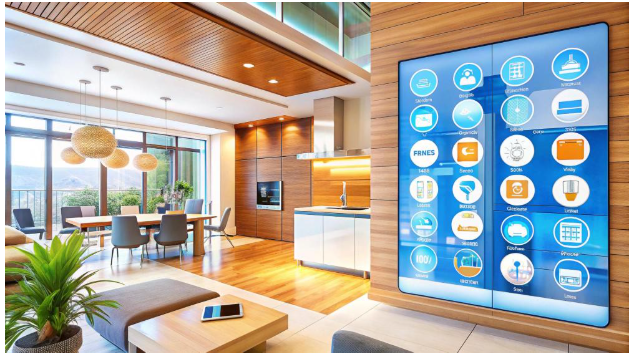
Modern corporate interiors must seamlessly integrate technology to enhance productivity and efficiency. Design thinking ensures that technology enhances, rather than complicates, the work environment. From meeting room connectivity to collaborative tools and infrastructure planning, thoughtful integration supports efficiency and reduces friction.
Technology-enabled spaces also support hybrid work models. Video conferencing zones, shared digital platforms, and flexible workstations allow teams to collaborate effectively regardless of location. When technology is integrated into the design process, it becomes invisible yet impactful.
Long-Term Value Creation Through Strategic Interiors
Design thinking transforms corporate interiors into long-term assets. By prioritising durability, adaptability, and user satisfaction, organisations reduce maintenance costs and avoid frequent redesigns. Quality materials, modular systems, and scalable layouts support growth while maintaining visual and functional consistency.
Leaders who apply design thinking also strengthen organisational culture. The workspace becomes a reflection of values such as transparency, innovation, and respect for people. This cultural alignment reinforces employee loyalty and enhances brand credibility.
As companies scale and modernise, expertise in office interiors in Gurgaon has become increasingly important in delivering design-thinking-led solutions that balance functionality, aesthetics, and business impact.
Conclusion: A Leadership Imperative
Design thinking in corporate interiors is not a trend, it is a leadership mindset. By placing people at the centre of design decisions and aligning space with strategy, leaders create environments that support performance, adaptability, and growth. Corporate interiors designed through this lens become powerful enablers of productivity, collaboration, and innovation.
For leaders, the practical application of design thinking in workplace design offers a clear competitive advantage. It ensures that office interiors are not just visually appealing but strategically effective, future-ready, and deeply aligned with the organisation’s mission and people.